A damaged section of paint protection film does not always mean the film must be removed from the entire vehicle. When the damage is limited to one hood, fender, door, bumper, or another individual section, Single Panel PPF Replacement may provide a practical way to restore coverage. The affected film can be carefully removed while the properly functioning film on surrounding areas remains in place. However, the condition of the existing PPF, the paint beneath it, and the availability of a compatible replacement film must all be evaluated first. We help vehicle owners in El Cajon, CA, determine whether replacing the film on one panel can maintain the protection and clean appearance of their vehicles.
Can Damaged PPF Be Replaced Without Removing All the Film?
In many situations, an installer can replace damaged PPF on a single panel without disturbing the film across the rest of the vehicle. Because PPF is usually applied to separate exterior sections, the film covering one panel can often be removed and replaced independently. This approach is especially suitable when the remaining film is still clear, properly bonded, and in good condition. A professional installer must still inspect the vehicle before confirming that partial replacement is appropriate. The goal is not simply to cover the damaged area but to create a clean fit that works with the surrounding PPF. For drivers in El Cajon, Single Panel PPF Replacement can restore protection while allowing unaffected film to remain on the vehicle.
How Installers Assess PPF Damage on a Single Panel
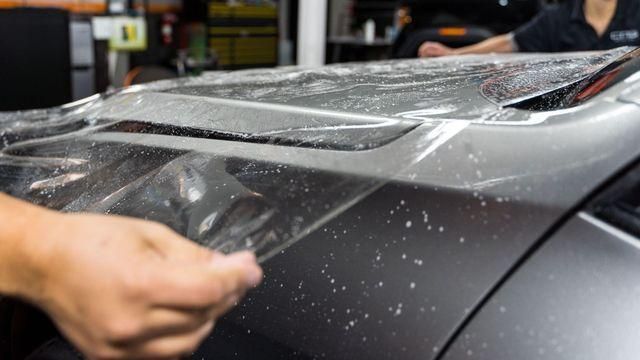
An inspection allows the installer to understand the extent of the damage before removing any film. Some visible marks may affect only the upper surface of the PPF, while stronger impacts can cut through the material or reach the vehicle’s paint. The age and appearance of the surrounding film also influence whether a new section will create a consistent result. CCA Detailing assesses each affected area carefully so El Cajon vehicle owners receive a recommendation based on the actual condition of their PPF and painted surfaces.
Identifying the Type and Extent of the Damage
The assessment begins with a close examination of the affected panel. Installers look for punctures, tears, deep abrasions, stains, peeling edges, bubbling, or sections that have started separating from the surface. Minor marks may not always require replacement, particularly if they have not affected the integrity or appearance of the film. However, a deep cut or damaged edge can leave part of the painted panel with reduced coverage. The installer will also check whether the issue is confined to one panel or continues across adjacent sections. This detailed inspection helps determine whether Single Panel PPF Replacement will be enough to restore dependable coverage without unnecessarily removing film that is still performing correctly.
Checking the Paint Beneath the Damaged Film
An installer must also consider whether the impact has affected the paint beneath the PPF. Although the film is designed to provide a durable barrier against common road hazards, a strong or sharp impact may sometimes pass through the protective layer. The surface can be inspected more thoroughly after the damaged PPF has been carefully removed. Any adhesive residue, embedded contamination, or visible paint defect must be addressed before another piece of film is applied. Installing new PPF over an unprepared surface could affect adhesion and make imperfections more noticeable. Careful inspection and preparation help CCA Detailing determine the proper next step for vehicles exposed to daily driving conditions around El Cajon, CA.
Comparing the Existing and Replacement Film
The installer compares the existing PPF with the material intended for the replacement panel. Film can gradually change in appearance because of age, sunlight exposure, road contamination, and maintenance habits. A new section may look clearer or slightly different beside older film, even when the same type of material is used. The finish must also be considered because clear, matte, and satin films create different visual effects. We offer STEK paint protection film and check whether the new material can complement the film already installed on the vehicle. This comparison helps establish realistic expectations and reduces the possibility of an obvious difference between the newly protected panel and the surrounding sections.
The Single Panel PPF Replacement Process
Once the installer confirms that replacement is suitable, the work proceeds through controlled removal, detailed surface preparation, and accurate film application. Each stage affects how well the new PPF fits, bonds, and performs after installation. Rushing the removal or applying film over residue can compromise the final appearance. The paint protection film installation service available from CCA Detailing follows a careful process designed to provide El Cajon vehicles with clean coverage and a properly finished surface.
Removing the Damaged PPF From the Panel
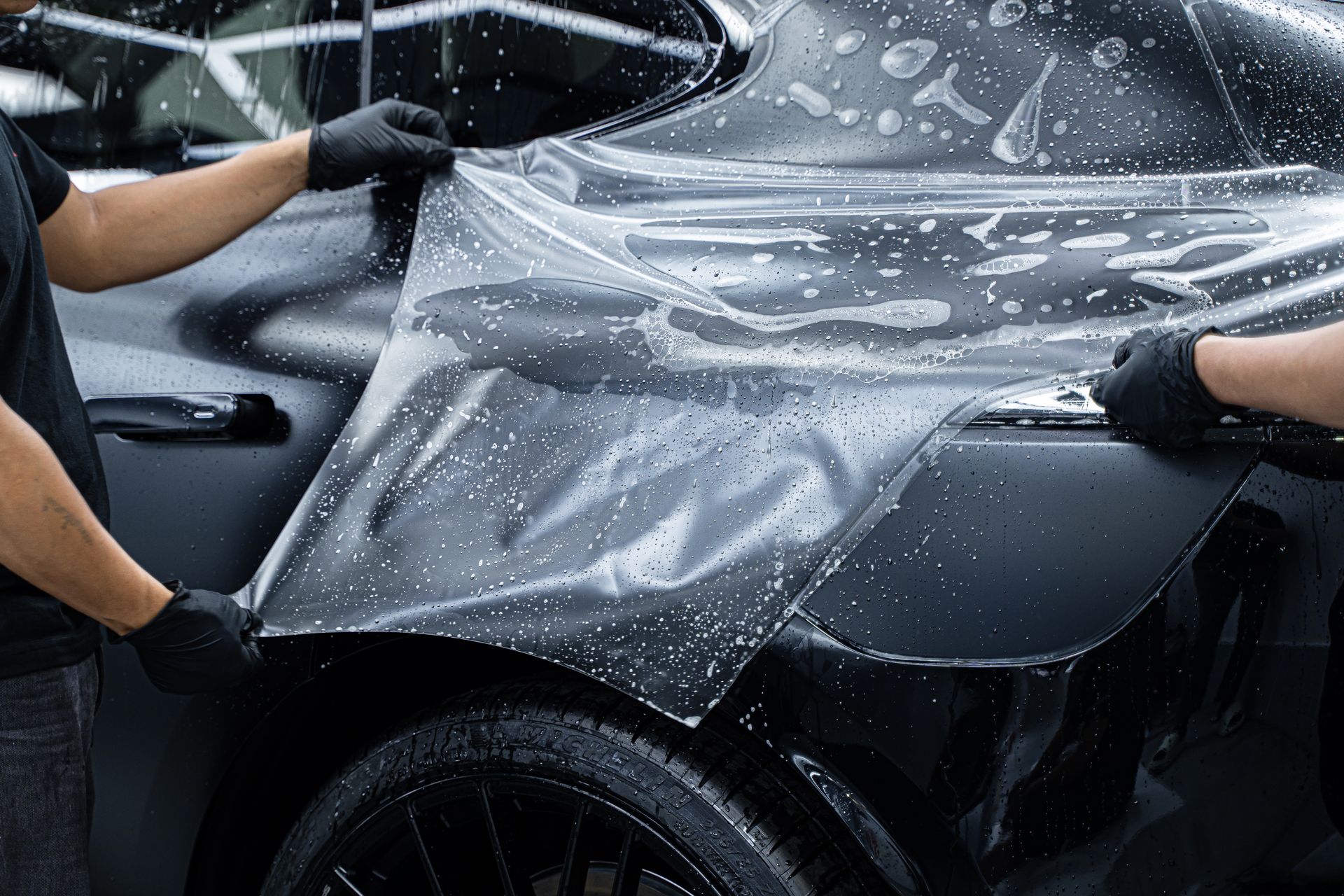
The damaged material must be removed carefully to reduce unnecessary stress on the painted surface. An installer lifts the film in a controlled manner while paying attention to edges, body lines, badges, trim, and nearby protected panels. The condition and age of the PPF can affect how easily it separates from the vehicle. Older material or film that has experienced prolonged exposure may require additional care during removal. Attempting to pull the material away too quickly can leave more adhesive behind or create avoidable problems. Professional removal allows the installer to work specifically on the affected panel while leaving properly installed PPF on the rest of the vehicle undisturbed whenever its condition permits.
Cleaning and Preparing the Exposed Surface
After removal, the exposed panel must be thoroughly cleaned and inspected before new film is installed. Surface preparation may include removing remaining adhesive, washing away loose dirt, and addressing embedded contamination that could interfere with the new material. The installer checks the panel from multiple angles to identify residue or imperfections that may become visible beneath the transparent film. A smooth and clean surface supports more uniform contact between the adhesive and the vehicle’s finish. It includes detailed preparation as part of its PPF installation process, helping ensure that the replacement does not trap particles or develop avoidable irregularities. This stage is essential for achieving a refined result on vehicles in El Cajon.
Applying and Finishing the New PPF
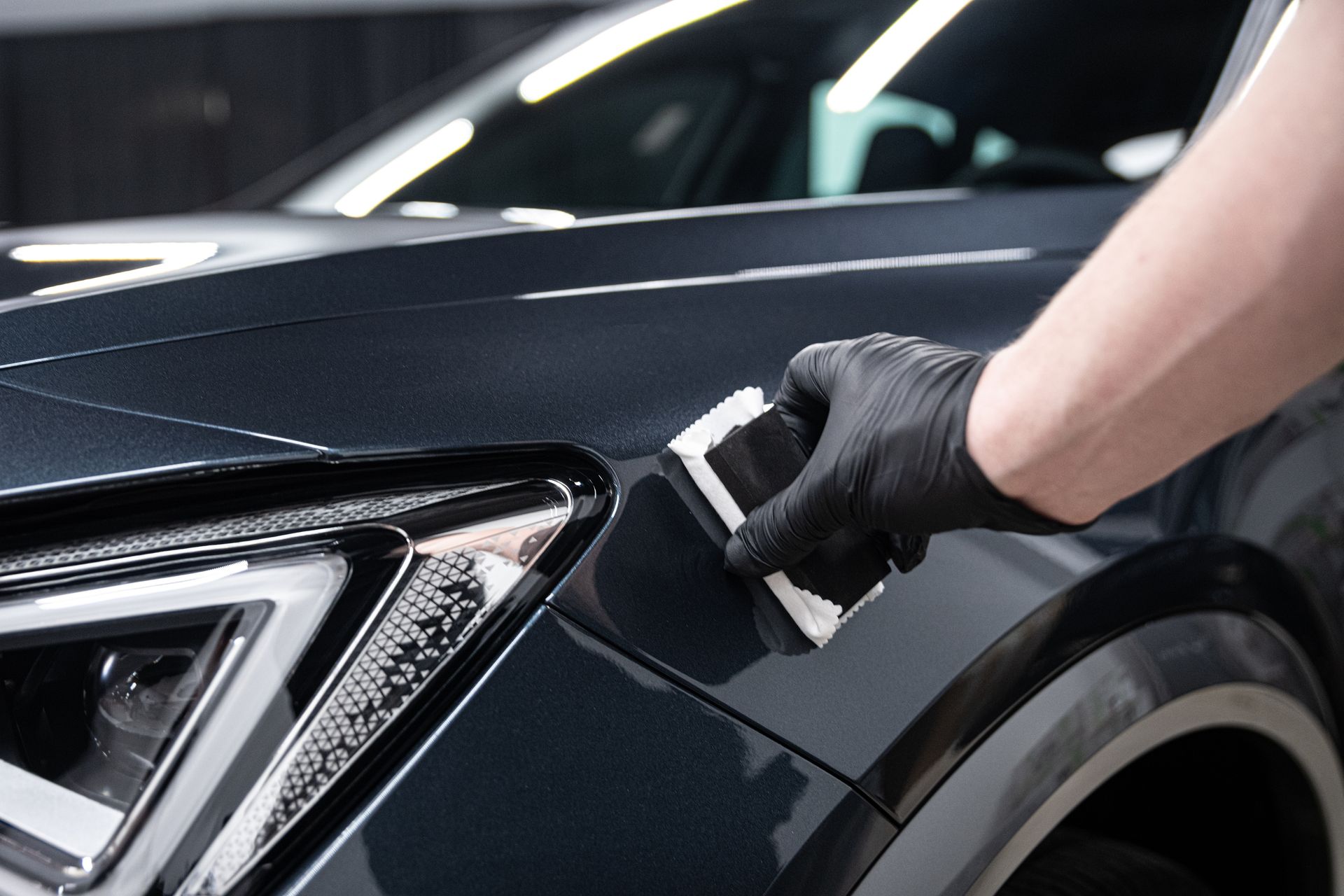
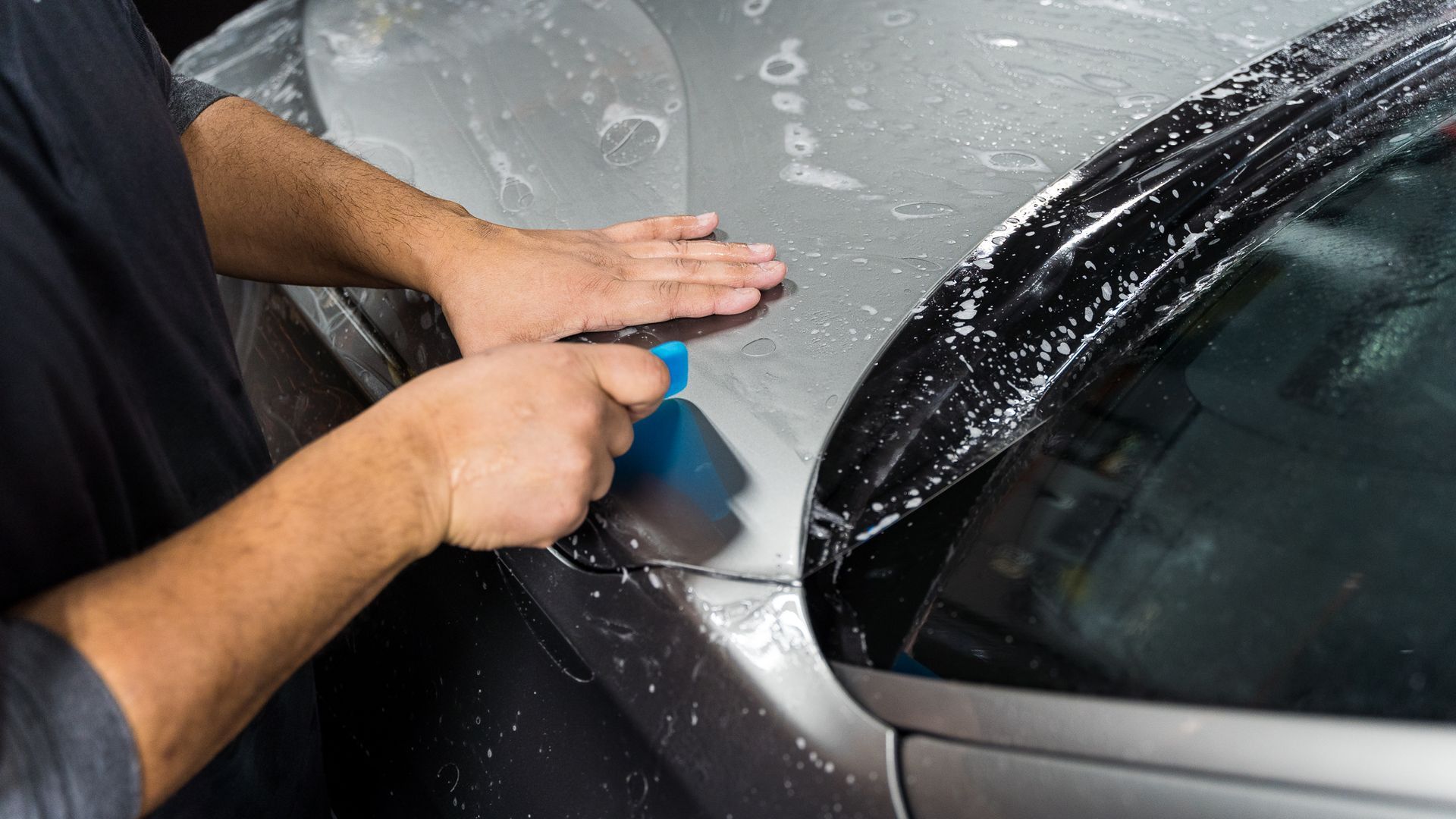
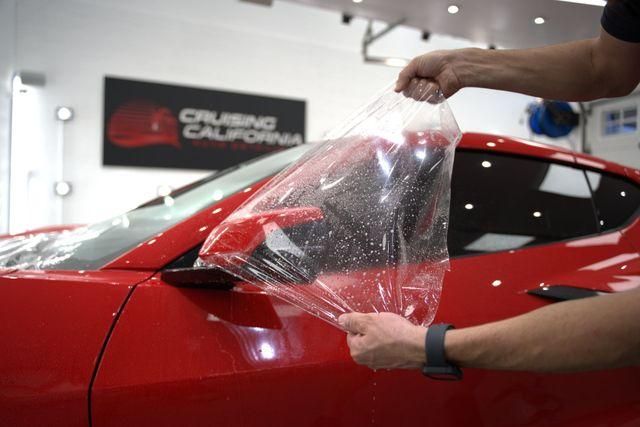
Once the surface is ready, the replacement film is measured and fitted to the panel’s shape. Accurate positioning is particularly important around curved areas, corners, handles, lights, and body lines. An installation solution helps the film move into the correct position before the installer secures it to the surface. A squeegee is then used to remove excess solution and air while creating consistent contact across the panel. Edges are checked and finished carefully so the material follows the natural design of the vehicle. The new PPF must also be given appropriate time to settle and bond. A final inspection confirms that the replacement panel has clean alignment, secure edges, and even coverage.

When Replacing the Entire PPF Coverage May Be Better
Single-panel replacement is not suitable for every vehicle. If the PPF on several panels is cracked, stained, heavily worn, lifting, or approaching the end of its useful condition, replacing only one section may create an inconsistent result. A clear new panel can also stand out beside surrounding film that has noticeably changed with age or exposure. Wider replacement may be recommended when damage crosses panel boundaries or when compatible material is not available. We evaluate these factors before advising an El Cajon vehicle owner to replace a larger area. The recommendation should reflect the condition of the existing installation rather than automatically requiring removal from the whole vehicle. In many cases, unaffected panels can still remain protected while only the necessary sections receive new film.
How Installers Maintain a Consistent Appearance
A successful replacement should provide protection without drawing unnecessary attention to the repaired area. Installers support a consistent appearance by choosing an appropriate film, covering the complete panel, aligning edges carefully, and preparing the paint before application. Replacing the entire piece of film on one panel generally creates a cleaner result than cutting out and patching only a small damaged spot. The boundaries of the replacement can then follow the natural separation between vehicle panels. However, the age and condition of nearby PPF may still influence the final visual match. Professional evaluation helps the vehicle owner understand whether the replacement is likely to blend well or whether additional sections should be considered for a more uniform finish.
Professional Installation Supports a Clean PPF Replacement
PPF removal and installation require control, accurate measurements, and careful preparation. An inexperienced attempt can leave adhesive residue, trap contamination, create visible creases, or result in edges that do not remain securely attached. There is also a risk of affecting the painted surface if the damaged film is removed improperly. CCA Detailing provides professional PPF installation for vehicles in El Cajon, CA, and works through preparation, fitting, application, and finishing with attention to both protection and appearance. Professional Single Panel PPF Replacement also allows the installer to inspect the surrounding film and identify other concerns before they develop further. This complete approach helps restore the affected area while preserving film that continues to perform properly elsewhere on the vehicle.
Restore Protection to the Damaged Panel
Damage confined to one section does not necessarily require removing PPF from the entire car. When the surrounding film remains in suitable condition and a compatible material is available, Single Panel PPF Replacement can restore coverage to the affected hood, bumper, fender, door, or other exterior section. The process depends on accurate assessment, careful film removal, detailed surface preparation, and clean installation of the new material. CCA Detailing helps drivers in El Cajon, CA, determine whether an individual panel can be replaced while maintaining a consistent appearance across the vehicle.
Contact us to have the damaged area inspected and receive an appropriate recommendation for restoring its paint protection film.