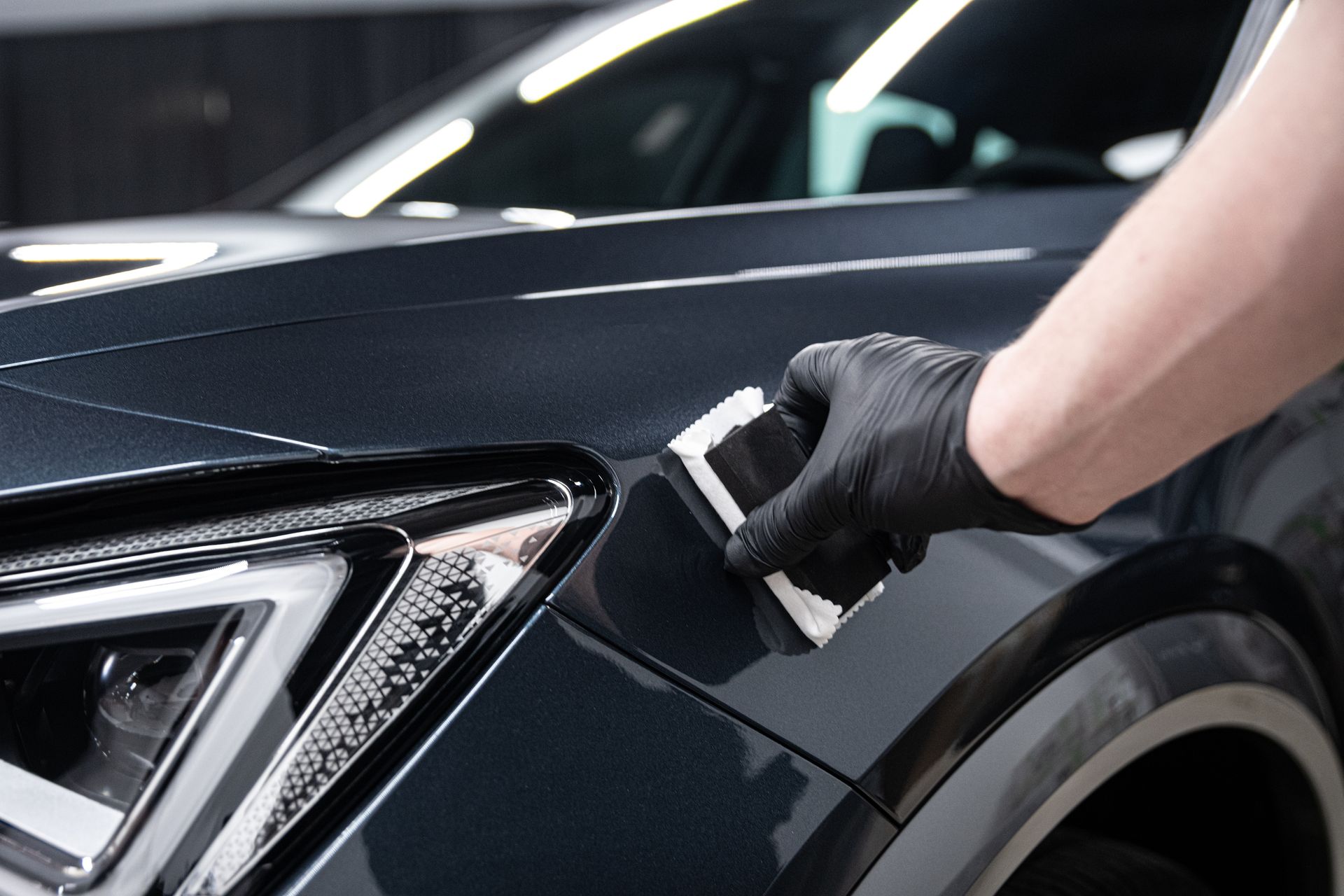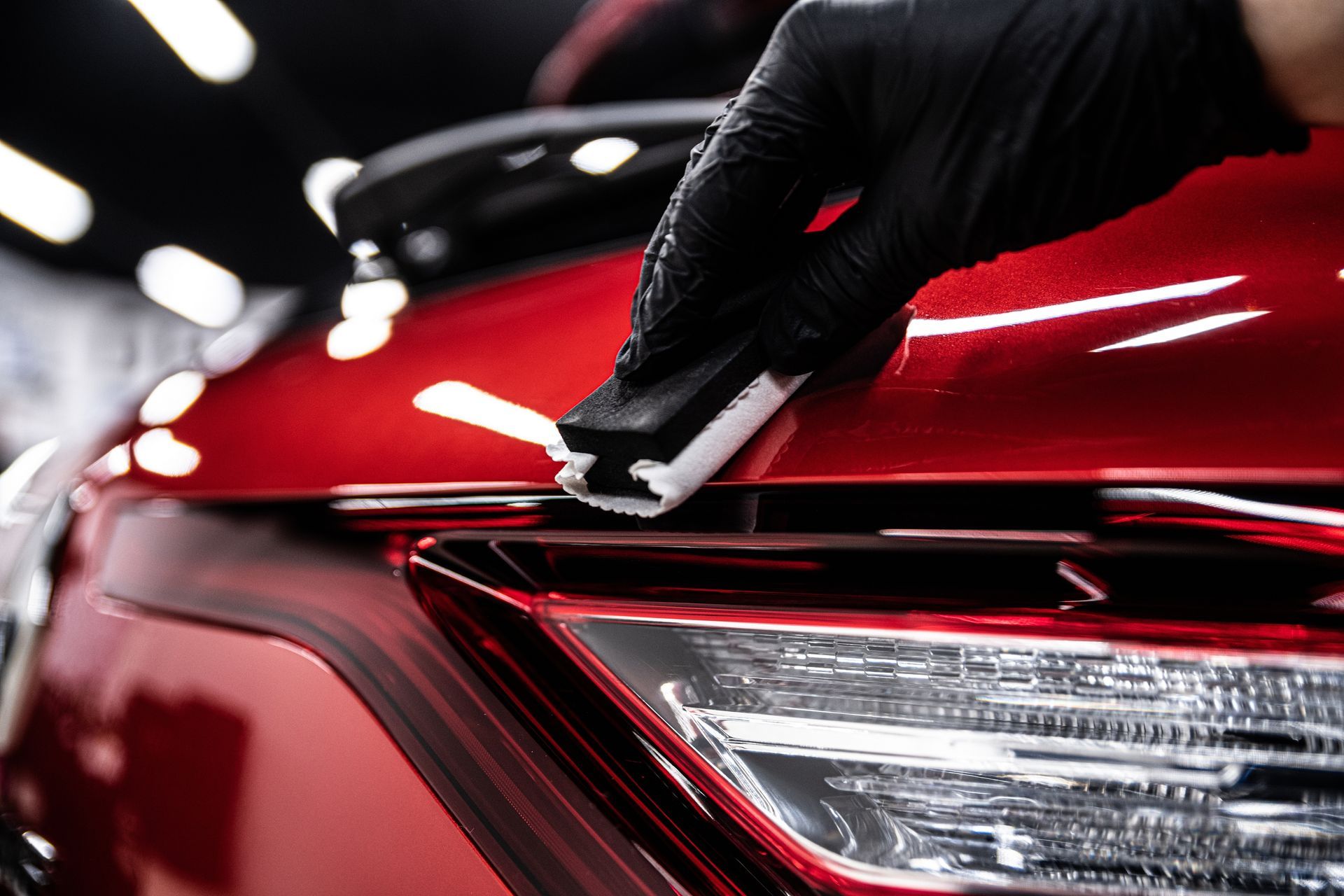
Paint protection film carries a higher price tag than most other vehicle protection products, which naturally raises the question of whether it is actually worth the investment. Looking at what PPF protects against, how long it lasts, and what it actually saves an owner from over time paints a clearer picture than the sticker price alone.
What PPF Actually Protects Against
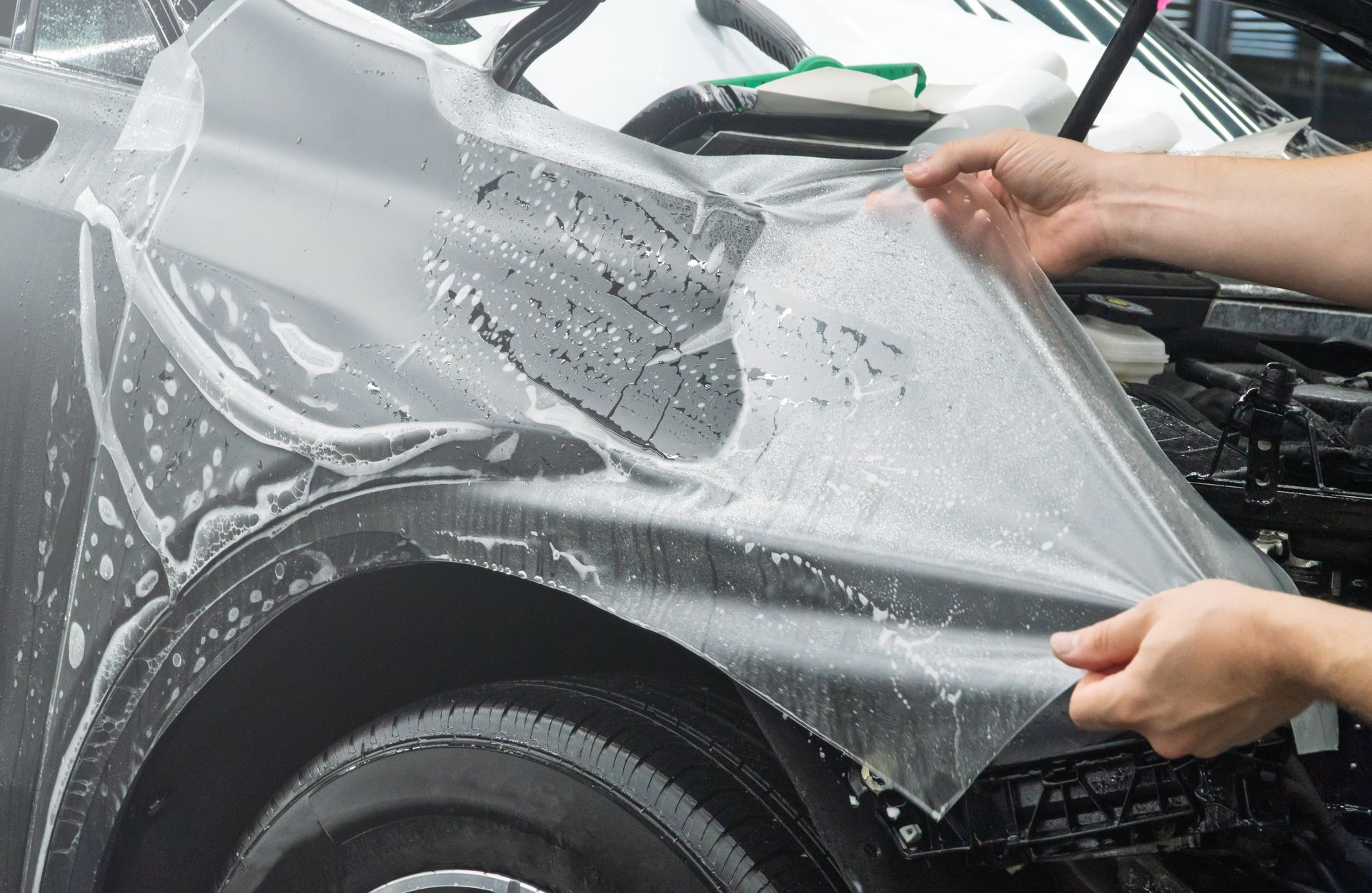
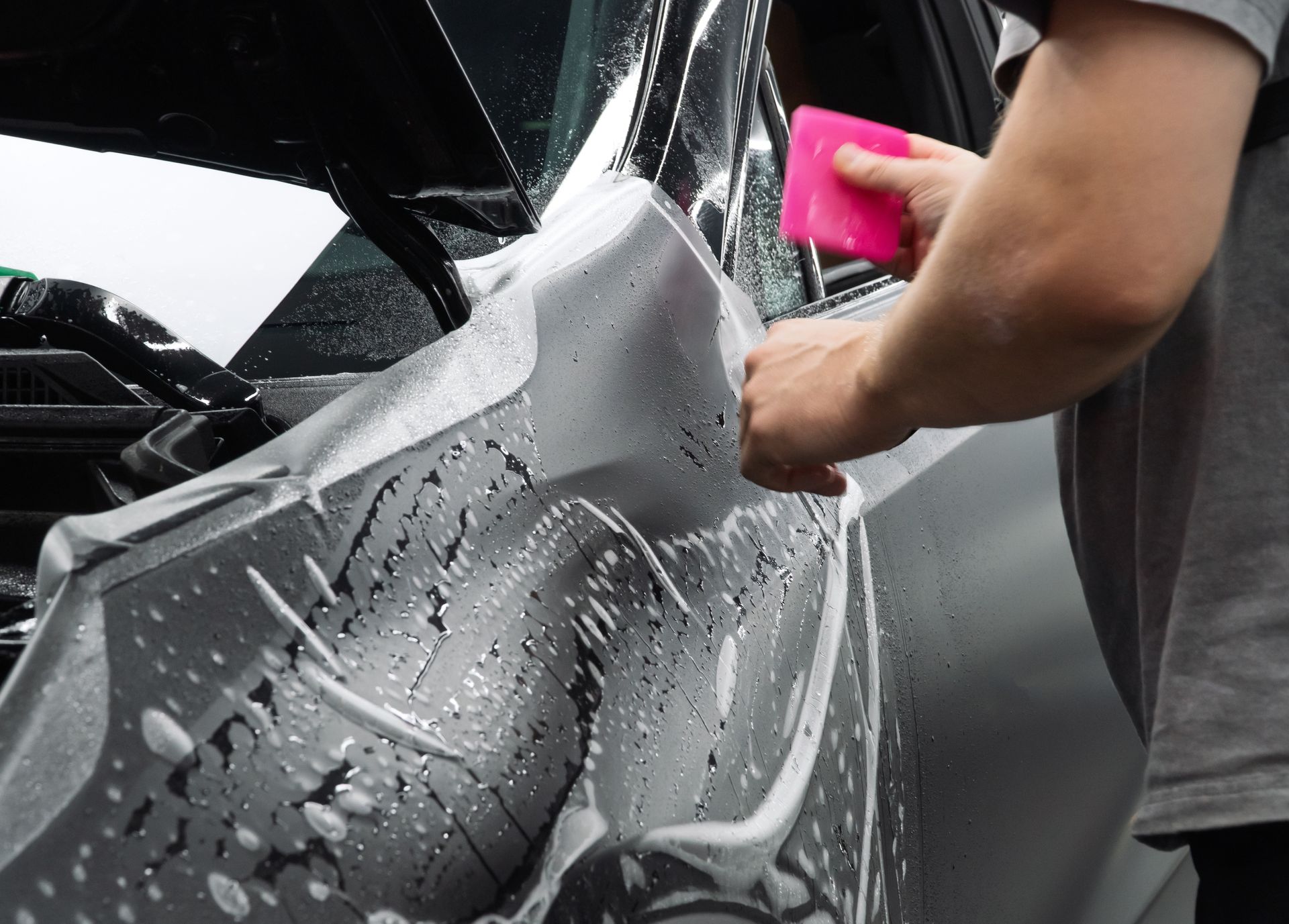
Paint protection film is a thick, self-healing layer of thermoplastic urethane applied directly to a vehicle's exterior, designed to absorb the impact of:
- Rock chips
- Road debris
- Minor scratches
The Real Cost of Rock Chips and Scratches Without It
A single rock chip repair or a full repaint on a damaged panel can cost far more than a PPF package for that same area, and unlike PPF, paint repairs do not come with a warranty against future damage.
How Long PPF Lasts
Quality PPF is built to last for years, and self-healing film in particular is engineered to shrug off light swirls and minor scratches on its own with a bit of heat, keeping the surface looking clear well beyond the first year of ownership.
Maintenance Requirements
PPF does not require significantly more maintenance than bare paint, though most installers recommend avoiding automated brush car washes and using proper products to keep the film clear and free of residue buildup.
Who PPF Makes the Most Sense For
PPF tends to make the most sense for owners of newer vehicles, high-value vehicles, or anyone who spends significant time on the highway where rock chips and road debris are a daily reality. It is also a common choice for owners planning to sell a vehicle down the road who want to preserve resale value.
What Can Void a PPF Warranty
Most PPF warranties assume the film was installed by a trained professional and maintained with reasonable care. Coverage typically excludes:
- Improper washing techniques
- Aftermarket chemicals not approved for use on film
- Damage from an accident
It is worth asking your installer exactly what is and is not covered before the film goes on.
How PPF Compares to Ceramic Coating for Physical Protection
It is worth being clear that ceramic coating, while a great product for gloss and easy cleaning, is not a substitute for PPF when it comes to physical protection. A ceramic coating adds a thin, hard layer over the paint, but it does not add meaningful thickness the way a self-healing film does, which is why the two products are often paired rather than treated as either/or.
Conclusion: Protecting an Investment Before the Damage Happens
Paint protection film asks for a larger investment upfront, but for many drivers it prevents a much higher cost down the road in the form of paint chips, scratches, and lost resale value. If you are weighing whether PPF is worth it for your vehicle, the team at CCA Detailing & Ceramic Coating in El Cajon is happy to provide a free inspection and walk you through package options.