Ceramic coating products are often promoted with hardness ratings that suggest strong resistance to marks and surface wear. However, these numbers can be misunderstood when they are viewed without information about the testing process. Ceramic Coating Hardness Testing uses controlled surfaces, specific tools, and standardized procedures to evaluate how a cured coating responds to marks. Understanding these methods helps El Cajon drivers compare coating products more accurately and develop realistic expectations about their performance on a vehicle.
Why Hardness Claims Matter When Comparing Ceramic Coatings
Hardness claims give consumers one way to evaluate how a ceramic coating may respond to light contact and surface abrasion. A higher rating may indicate that a properly cured coating performed well during a particular controlled test, but the number does not describe every aspect of the product. Hydrophobic behavior, chemical resistance, gloss enhancement, durability, maintenance requirements, and application quality also influence overall performance. Drivers should therefore view hardness as one part of a broader comparison instead of using it as the only reason to choose a coating.
How Ceramic Coating Hardness Testing Is Performed
Ceramic coating hardness is evaluated by applying the product to a controlled surface and allowing it to cure under specified conditions. A testing tool is then moved across the coated panel to determine how the surface responds to contact from materials with known hardness levels. Standardized procedures help reduce inconsistencies and make results easier to document. However, the reported rating remains meaningful only when the manufacturer clearly identifies the method, surface, curing period, and conditions used during testing.
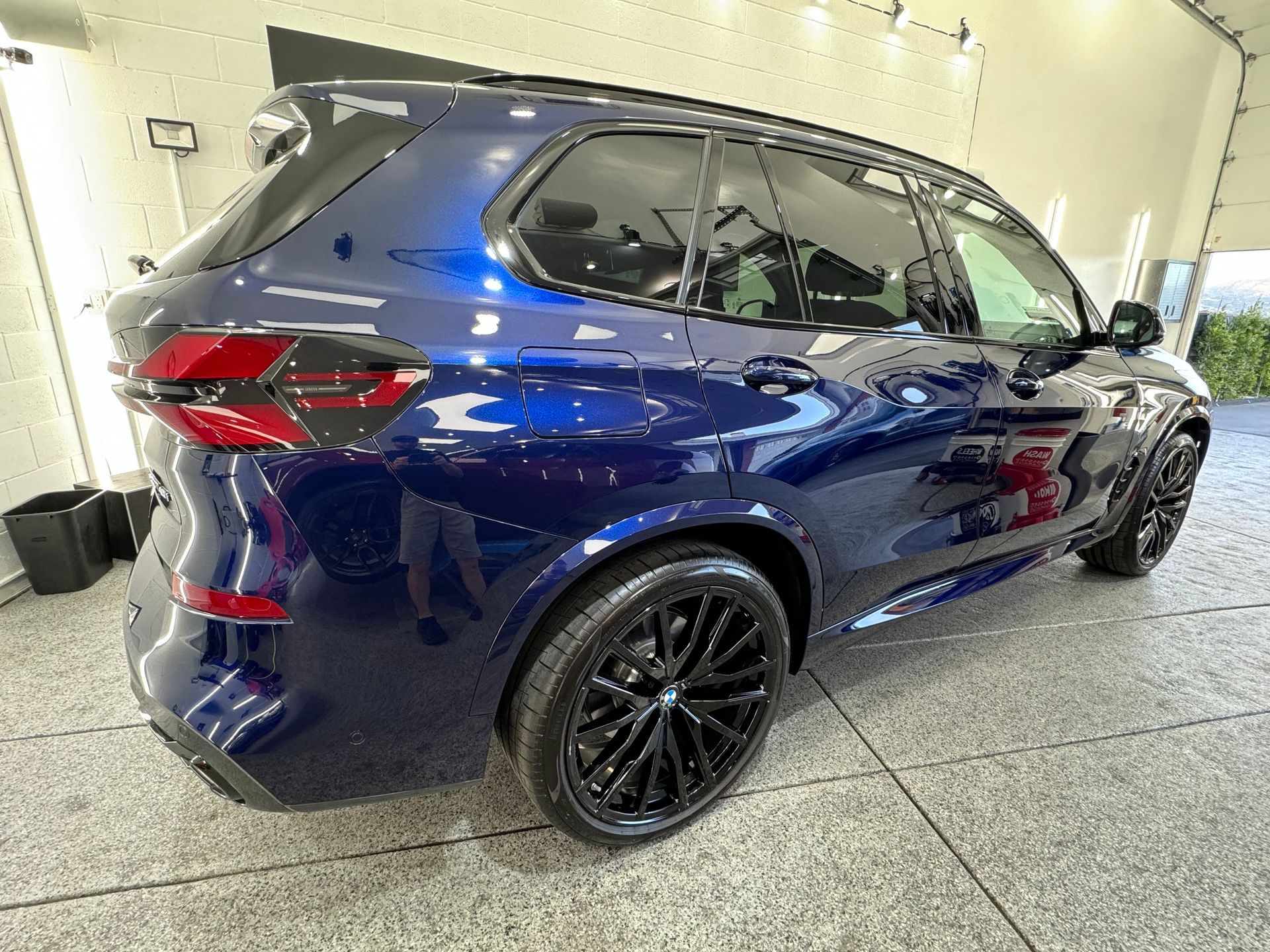
Preparing a Controlled Test Surface
Before testing begins, technicians prepare a clean and consistent panel that can support accurate observation. Oils, dust, residue, moisture, and existing defects must be removed because they can interfere with coating adhesion or affect the final result. The ceramic coating is then applied at a controlled thickness and allowed to level across the surface. Using comparable panels and preparation procedures is important because testing one product on smooth glass and another on imperfect automotive paint would not provide a reliable comparison.
Using Standardized Scratch-Resistance Methods
Pencil hardness testing is one of the methods commonly associated with ceramic coating claims. During this procedure, pencils with graded graphite hardness levels are held at a specified angle and pushed across the cured coating with controlled pressure. The tester moves through the available grades until identifying the hardest pencil that does not cut or produce a defined mark in the coating. Methods based on standards such as ASTM D3363 or ISO 15184 can support consistency, but the procedure must be followed correctly for the reported result to have practical value.
Inspecting and Recording the Test Results
After each pass, the test area is inspected under suitable lighting to identify cuts, marks, deformation, or other visible changes. Magnification may be used when the effect is difficult to see with the unaided eye. Technicians can repeat the test in different areas to confirm whether the result is consistent rather than relying on a single pass. Accurate records should include the testing tool, pencil grade, pressure, coating thickness, curing time, surface material, and environmental conditions so the final hardness claim can be understood in context.
What a 9H Ceramic Coating Rating Actually Represents
A 9H claim usually refers to performance achieved through a pencil hardness test, in which 9H is among the hardest graphite grades used for the procedure. It does not mean that the coating has a hardness of nine on the Mohs mineral scale, and the two systems should not be treated as interchangeable. CCA Detailing helps vehicle owners understand that this rating indicates how the tested coating resisted a specific type of marking under controlled conditions. It does not measure protection against every sharp object, improper washing method, road impact, or abrasive contaminant that may contact a vehicle during normal use.
Testing Conditions That Can Affect Hardness Results
A hardness rating can change when testing conditions are not consistent. The same coating may respond differently depending on its curing stage, the material beneath it, its applied thickness, and the amount of pressure used during the test. Temperature and humidity can also influence how the coating develops after installation. For this reason, consumers should be cautious when comparing numbers from different manufacturers unless the products were evaluated through similar methods and under clearly documented conditions.
Curing Time and Environmental Conditions
Ceramic coatings require enough time to cure and develop their intended surface characteristics. Testing a coating shortly after application may produce a different result than testing it after the recommended curing period has passed. Temperature, humidity, airflow, and moisture exposure can also affect the curing process. If one sample cures in a stable indoor setting while another is exposed to changing conditions, their ratings may not provide a fair comparison. Professional installation helps create a more controlled environment for application and initial curing.
Surface Type, Preparation, and Coating Thickness
The condition and material of the test panel can influence how a coating reacts during hardness testing. A smooth, properly cleaned surface provides a more consistent foundation than a panel affected by residue, oxidation, or uneven texture. Coating thickness also matters because an application that is too thin, too heavy, or inconsistent may not cure or perform as intended. Reliable comparisons require similar substrates, preparation methods, application techniques, and film thicknesses so differences in the results are more likely to reflect the coatings themselves.
Testing Pressure, Angle, and Tool Accuracy
Pencil angle, applied pressure, travel speed, instrument condition, and operator technique can all affect a hardness test. Excessive force may create a mark that would not appear under the specified procedure, while insufficient pressure may make a coating seem more resistant than it is. Worn pencils, contaminated tools, or incorrectly calibrated equipment can produce additional inconsistencies. Following the same procedure across repeated tests helps limit subjective interpretation and creates a clearer record of how the coating performed under the selected test conditions.
Laboratory Hardness Versus Real-World Scratch Resistance
Laboratory testing examines a narrow performance characteristic in a carefully controlled setting, while a coated vehicle faces many unpredictable forms of contact. Vehicles in El Cajon may encounter airborne dust, road residue, direct sunlight, bird droppings, hard water, wash mitts, drying towels, and accidental contact with abrasive materials. A pencil hardness result cannot recreate every force, angle, or contaminant involved in everyday driving and maintenance. The rating may indicate resistance to a defined type of surface marking, but real-world performance also depends on preparation, installation, curing, washing habits, storage conditions, and ongoing care.
Why a Hard Ceramic Coating Is Not Scratch-Proof
Even a coating advertised with a 9H rating can develop swirls when abrasive dirt is dragged across the surface or when improper washing tools are used. Ceramic coating forms a thin protective layer, not a thick physical barrier capable of absorbing every impact. Its key benefits include added gloss, water-repellent behavior, easier cleaning, and resistance to certain contaminants and stains. CCA Detailing also explains that ceramic coatings cannot stop all swirls or rock chips. Drivers seeking defense against physical impacts should discuss paint protection film, while those wanting gloss and easier surface maintenance may benefit from ceramic coating.

How to Evaluate Ceramic Coating Hardness Claims
Consumers should look beyond the largest number printed on a product label and consider how the claim was established. A useful comparison should identify the testing standard, surface type, curing period, application thickness, environmental conditions, and definition of failure. Drivers should also examine expected longevity, maintenance instructions, warranty requirements, chemical resistance, hydrophobic performance, and the installer’s preparation process. When a company provides only a hardness number without supporting information, the claim offers limited insight into how the coating will perform on an actual vehicle. Clear documentation and realistic explanations are more valuable than exaggerated promises of complete scratch resistance.
What to Know Before Choosing Ceramic Coating in El Cajon, CA
Ceramic coating performance depends on more than its laboratory hardness rating. Careful inspection, thorough cleaning, proper surface preparation, even application, and sufficient curing all help the coating develop consistent results. CCA Detailing provides professional
ceramic coating installation for vehicle owners in El Cajon, CA, with options designed to enhance gloss, support easier maintenance, and add a durable sacrificial layer over treated surfaces. The team can inspect your vehicle, discuss its condition and maintenance needs, and help you evaluate suitable protection without presenting hardness as a guarantee against every mark.
Contact us to request a quote and discuss professional ceramic coating installation for your vehicle.