A ceramic coating can only perform as well as the surface beneath it, which is why the preparation work matters just as much as the product itself. The final and often overlooked step in that preparation is the panel wipe, a solvent-based cleaning pass that removes everything left on the paint before the coating goes on. At CCA Detailing, we treat panel wipe before ceramic coating as a non-negotiable part of every application, especially for El Cajon, CA drivers whose vehicles face intense sun, dry air, and constant dust. This guide explains what a panel wipe does, why it protects adhesion, and how it shapes the finished result.
What Is a Panel Wipe and How Does It Work?
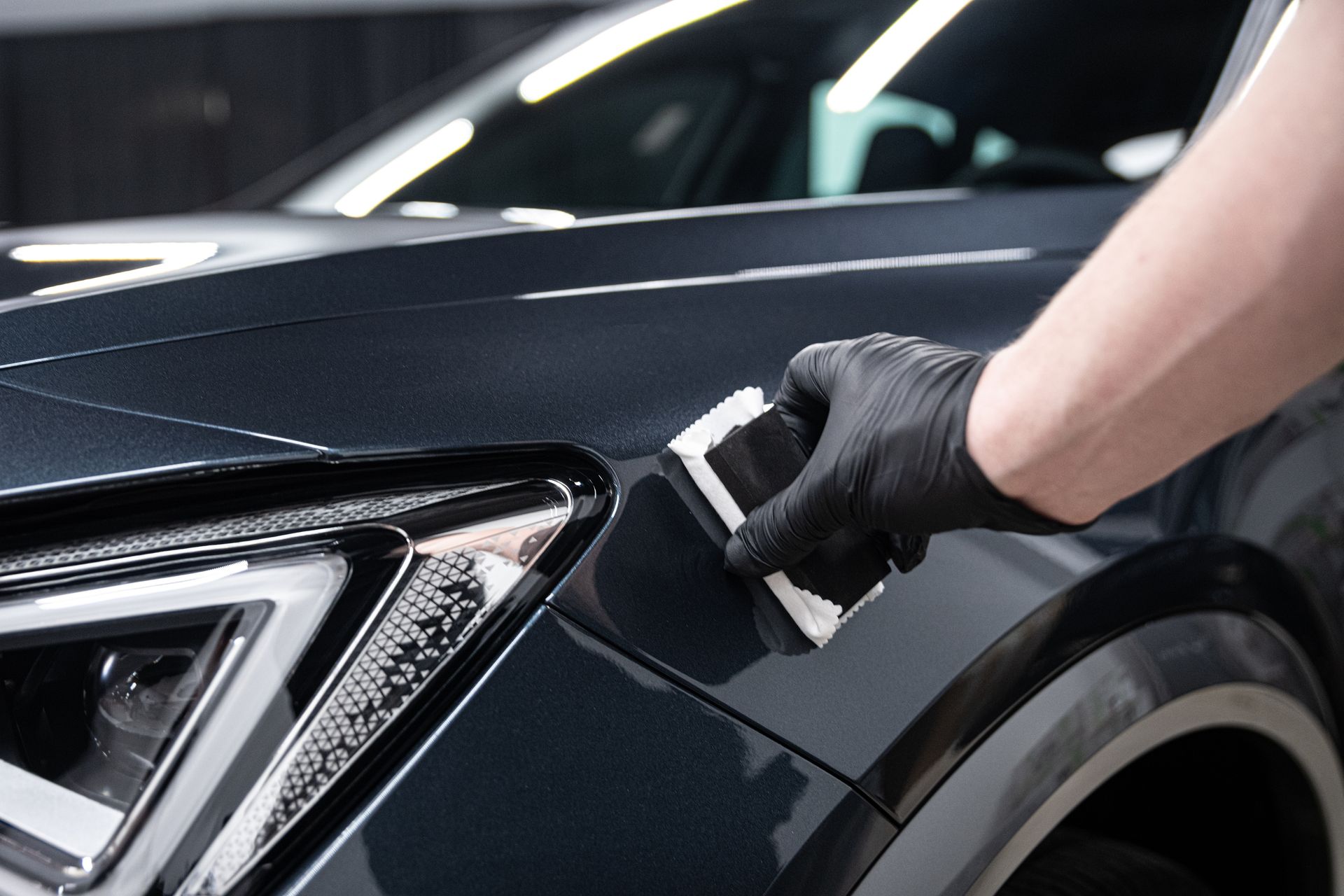
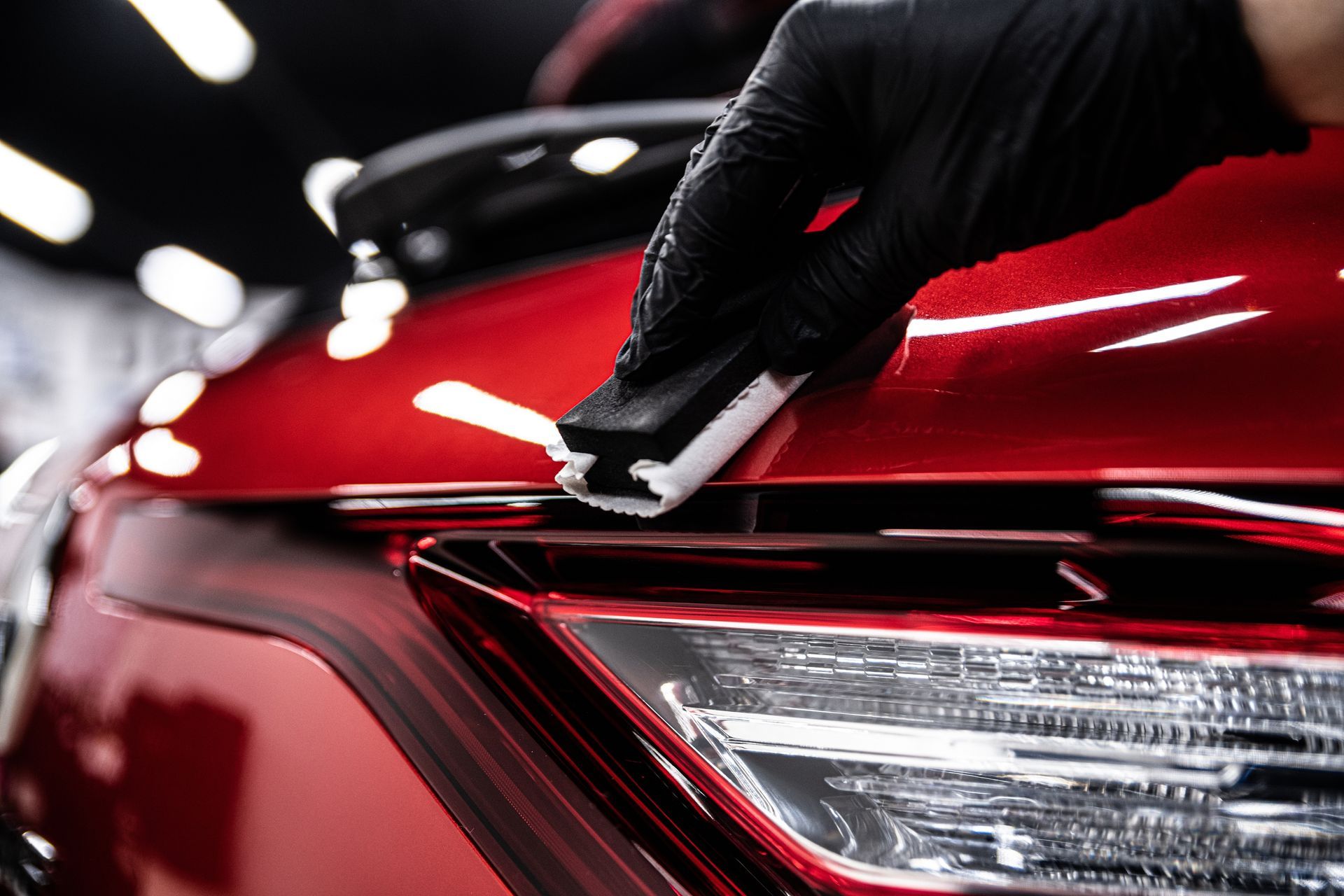
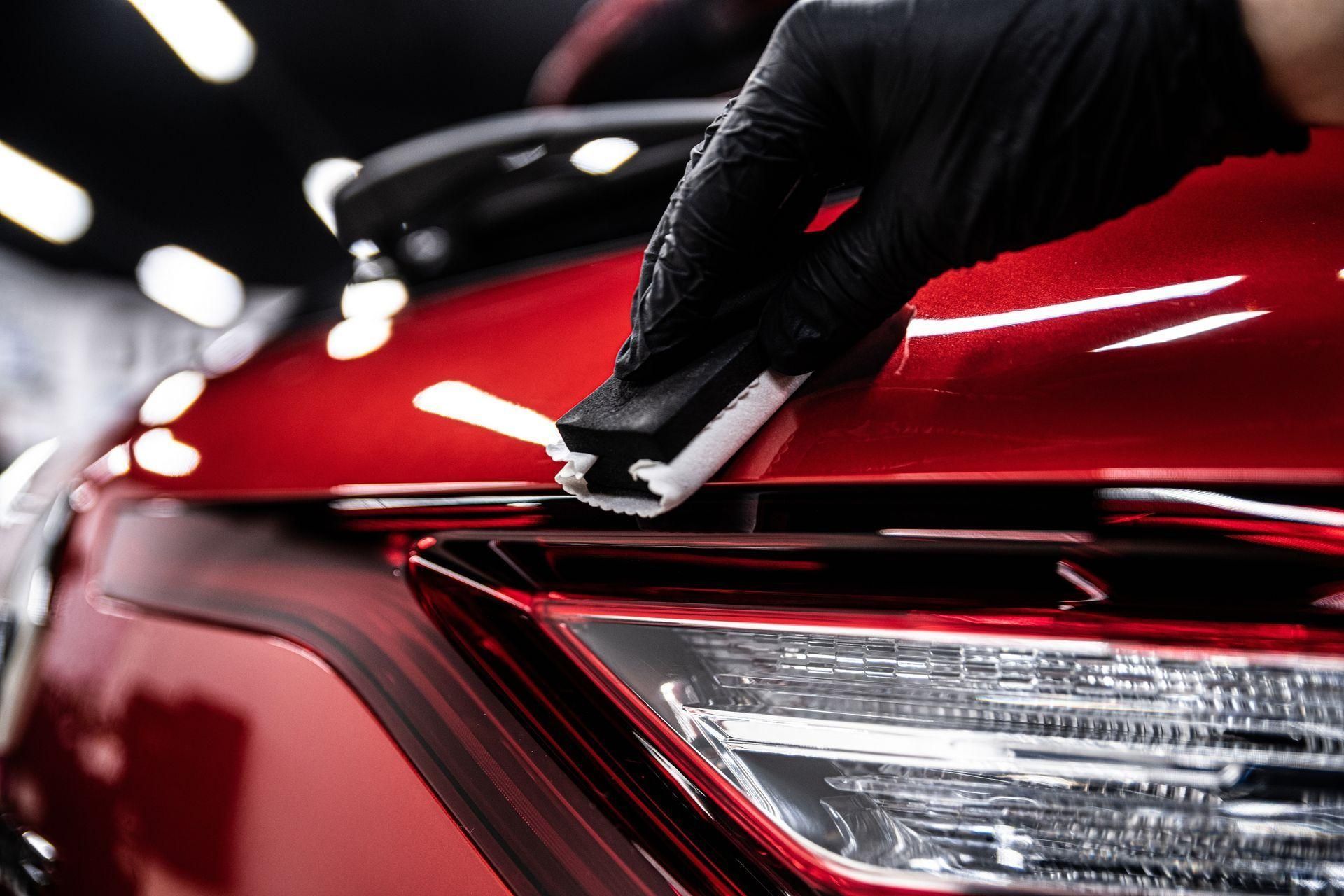
A panel wipe is a solvent-based cleaning product designed to strip away oils, residue, and invisible films that remain on paint after washing and polishing. It is not a regular car wash or a quick detailer, because those products often contain lubricants, gloss enhancers, or waxes that leave their own layer behind. In a proper prep sequence, the panel wipe comes after the wash, decontamination, and paint correction stages, right before the coating is applied. Its purpose is simple: leave bare, clean paint that is ready to bond directly with the ceramic coating.
Why Panel Wipe Before Ceramic Coating Is Essential
Ceramic coatings bond with paint at a microscopic level, which means even a nearly invisible barrier can weaken the connection and shorten the life of the protection. A thorough panel wipe before ceramic coating removes those barriers so the product can grip the clear coat the way it was engineered to. Below, we look at the three main types of contamination that a proper wipe-down eliminates and why each one can quietly sabotage an otherwise careful application.
Removes Polishing Oils and Fillers
Paint correction relies on polishing compounds, and many of them leave behind oils that temporarily hide swirls, haze, and light defects. These oils and fillers make the paint look flawless under the shop lights, but they eventually wash out and reveal the imperfections that were never truly corrected. If a coating is applied over that film, it bonds to the oils instead of the paint, which can lead to uneven results and early failure. A panel wipe strips the fillers away and shows the true condition of the surface before the coating is locked in.
Eliminates Wax, Sealant, and Residue
Old wax and sealants are designed to sit on top of the paint and repel water, which is exactly the opposite of what a ceramic coating needs during application. Even a thin layer left from a previous detail or an at-home product can act as a barrier and cause patchy bonding across the panel. Many owners are surprised to learn that a car washed with a wax-infused shampoo can carry residue that interferes with the coating. A careful panel wipe removes these leftovers and gives the coating a uniform foundation to attach to.
Clears Dust and Fine Contaminants
After washing and polishing, paint is surprisingly quick to collect airborne dust, fingerprints, and oils from handling. In El Cajon, where dry conditions and fine dust are part of daily life, this settling can happen within minutes of a vehicle sitting in a bay with the door open. If those particles remain on the surface, they get trapped under the coating and create rough spots or weak points. A final panel wipe ensures nothing is sealed under the finish, leaving the paint truly clean at the moment the coating touches it.
How Panel Wipe Improves Ceramic Coating Adhesion
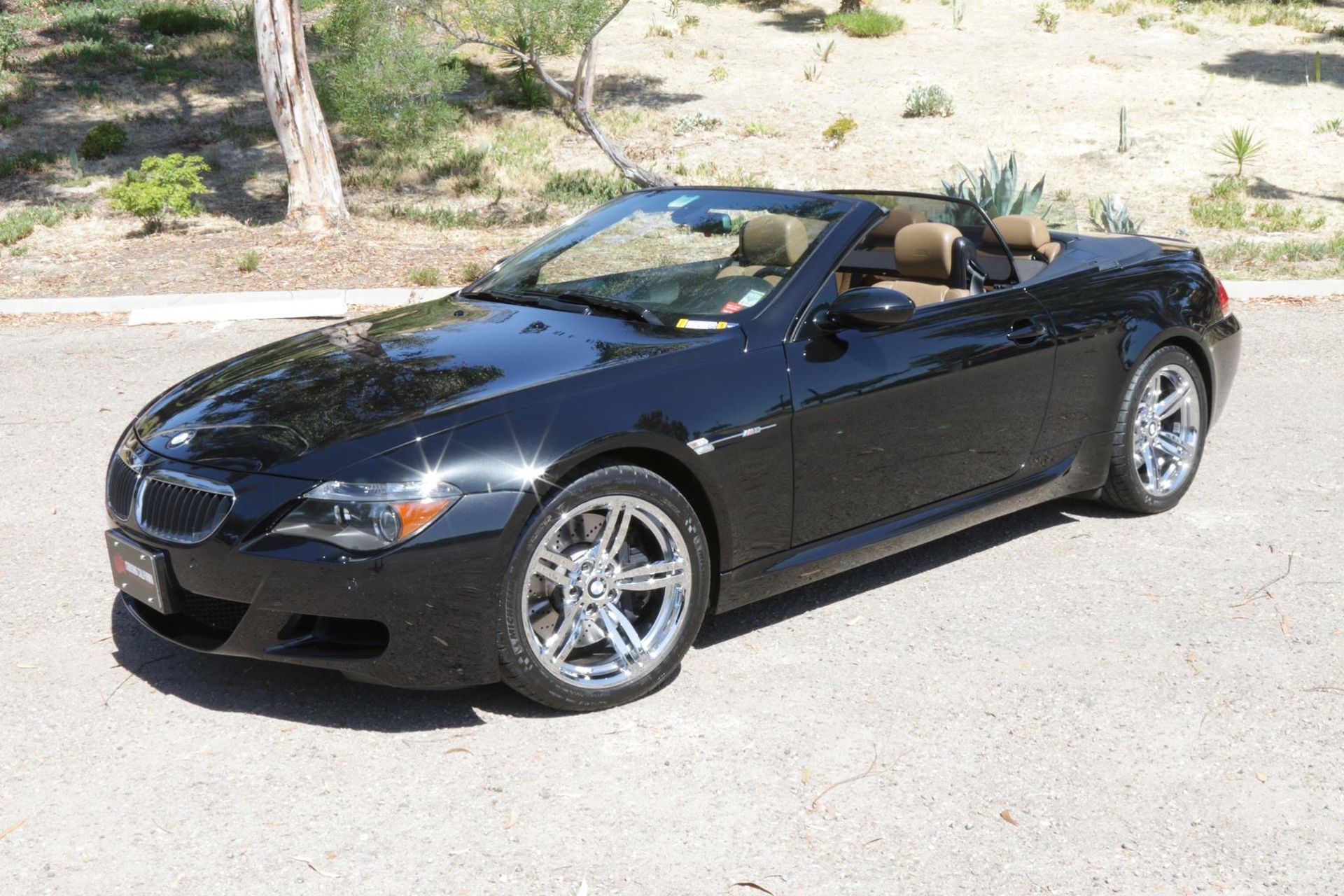
Adhesion is the heart of any ceramic coating, and it depends on the product making direct, uninterrupted contact with the clear coat. When the surface is clean, the coating forms a strong chemical bond that holds up through washing, heat, and weather. When bonding is weak, owners often see peeling, premature fading, uneven water behavior, and stubborn water spots in areas where the coating never fully attached. Because the length of protection is what customers are paying for, skipping this step can quietly cut years from the performance they expected from a professional application.
Better Coverage and a More Even Finish
A properly prepared surface allows the coating to spread, level, and cure the way it should, which directly affects how the finished vehicle looks and performs. Cleanliness influences how smoothly the product glides across the paint, how predictably it flashes, and how consistent the final layer turns out. The following sections explain how a clean panel helps avoid common application flaws, improves visual quality, and supports reliable water behavior across the entire vehicle.
Avoiding Streaks, High Spots, and Patchiness
Contaminants left on the paint cause a coating to flash unevenly, meaning some areas react faster than others and leave visible streaks or high spots. Once the product starts to cure, those flaws become much harder to level without redoing the work. Clean paint gives the applicator a predictable surface, so the coating can be spread evenly and wiped back at the right moment. This is one reason our team at CCA Detailing never rushes the wipe-down stage, since it keeps the application smooth and the results consistent from panel to panel.
Enhancing Gloss and Clarity
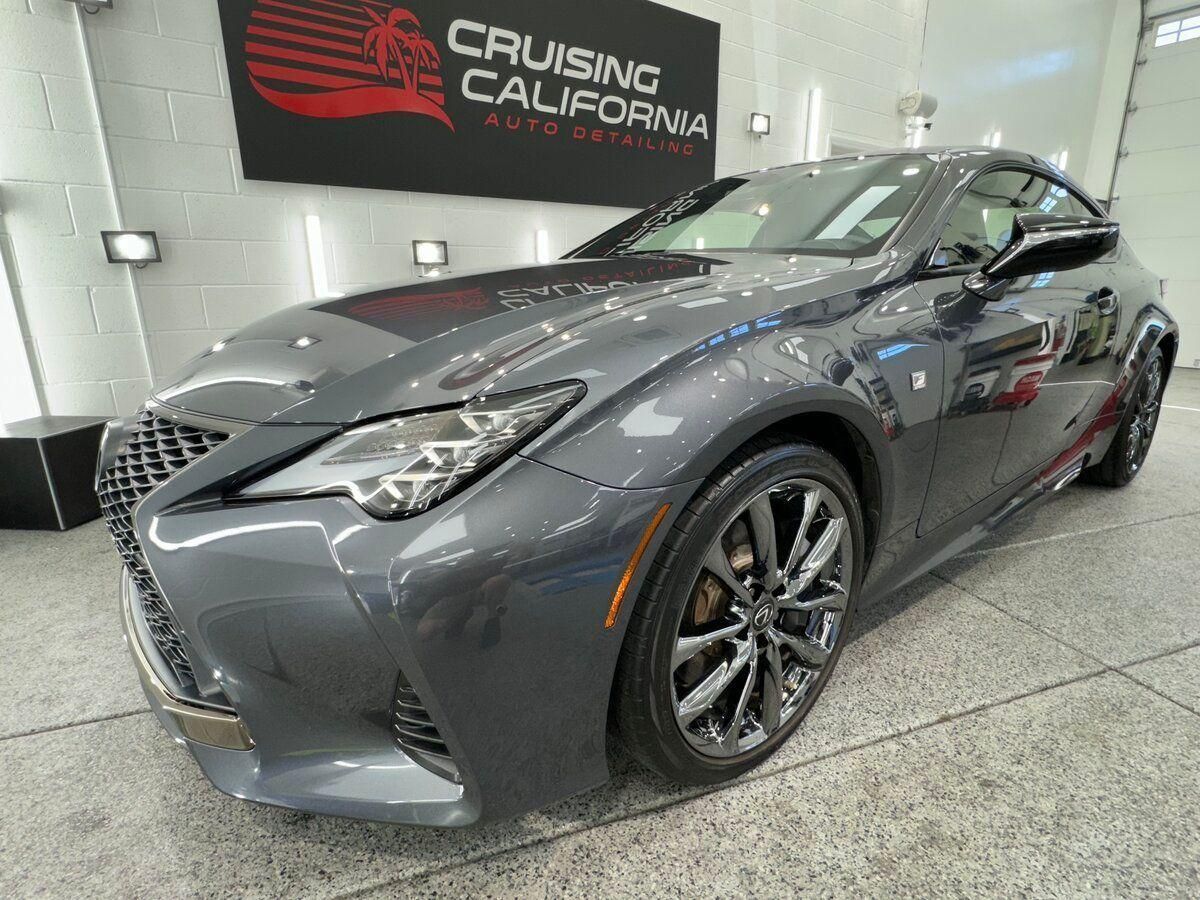
A clean base lets the coating show off the depth, shine, and color that paint correction worked so hard to restore. When residue is trapped beneath the coating, it can create hazing, dull patches, or a slightly cloudy look that dims the finish. Dark colors tend to reveal these flaws the most, though they can appear on any vehicle. By removing everything before application, a panel wipe allows the coating to cure into a clear, glossy layer that looks sharp under both sunlight and shop lighting.
Consistent Hydrophobic Performance
Even coverage translates into uniform water beading and sheeting across the hood, doors, roof, and every other panel. If part of the surface was contaminated during application, those areas may repel water differently, which looks inconsistent after the first rain or wash. A well-prepped panel keeps the hydrophobic effect balanced, so dirt slides off more easily, and the vehicle stays cleaner for longer. Maintenance also becomes simpler, because a smooth and evenly coated surface releases grime with far less effort than a patchy one.
Long-Term Durability and Protection Benefits
A correctly bonded coating stands up to UV exposure, bird droppings, road grime, and light chemical contact far better than one applied over a dirty surface. In El Cajon, where strong sunshine and high heat can fade and oxidize paint quickly, that durability is a major reason owners invest in ceramic protection. Professional ceramic coating installation begins with proper surface preparation, helping the coating bond effectively with the paint and provide durable, long-lasting protection. Proper preparation protects that investment and helps reduce the risk of premature coating failure caused by poor bonding. When the wipe-down is done correctly, the coating delivers the performance it was designed for, year after year, while making routine vehicle maintenance easier.
Common Mistakes to Avoid During Panel Wipe
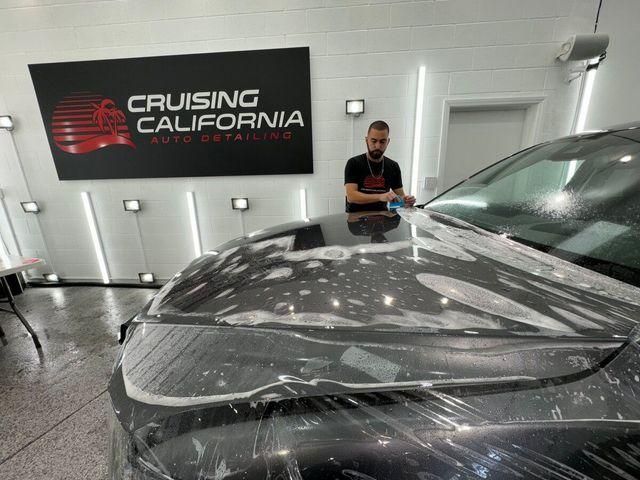
Even though the process sounds simple, several common errors can reduce its effectiveness. Skipping the wipe entirely, or using it too early before polishing is finished, leaves contaminants behind. Dirty or low-quality microfiber towels can redeposit residue, and over-saturating the panel or letting the product dry on the surface can create new streaks. Professionals also flip the towel often and use a second dry towel for buffing, while working under strong lighting so that leftover residue can be seen. Avoiding these mistakes keeps the surface genuinely clean.
The Benefits of Professional Ceramic Coating Preparation
Professionals follow a complete preparation sequence that includes washing, decontamination, paint correction, a panel wipe, and finally the coating itself. Each stage builds on the last, and a controlled environment with proper lighting, clean tools, and trained technique makes the difference between a good result and a great one. DIY attempts often miss hidden residue or rush the process, leading to uneven bonding. Professional preparation brings consistency, which is exactly what a long-lasting ceramic coating needs from the very first step to the final cure.
Preparing Your Vehicle for Long-Lasting Ceramic Coating Protection
A panel wipe is a small step that makes a big difference in adhesion, finish quality, and long-term durability. By removing polishing oils, wax residue, dust, and other contaminants, a panel wipe before ceramic coating gives the product a clean surface to bond with and a consistent foundation for protection. For drivers in El Cajon, CA, that preparation is what allows a coating to stand up to heat and sunlight. Learn more about our ceramic coating services and how we protect vehicles from the local sun and dust.
Contact us today to request a quote or schedule a consultation for your vehicle.