Bubbles under paint protection film can develop when air, moisture, dust, or installation solution becomes trapped between the film and the vehicle’s surface. Small moisture bubbles may appear shortly after installation and often disappear as the film cures. However, larger bubbles can result from improper surface preparation, contamination, or uneven film application. Damaged paint or complex panel curves may also affect how well the film adheres. Professional inspection can determine whether the bubbles will settle or require correction.
Common Reasons You See Bubbles Under Paint Protection Film in El Cajon, CA
Vehicle owners across El Cajon invest in paint protection film to keep their paint safe from rock chips, road debris, and everyday wear, so it can be frustrating to notice small bubbles forming under the surface soon after installation. Bubbles under paint protection film can happen for several reasons, ranging from harmless air pockets that settle within days to deeper issues tied to surface preparation or installation quality. Understanding why these bubbles appear helps car owners know when there is nothing to worry about and when a professional should take a closer look. In this article, we will walk through the most common causes, how to tell temporary bubbles apart from lasting problems, and how proper technique keeps your film looking smooth for years to come.
Trapped Air Bubbles During PPF Installation
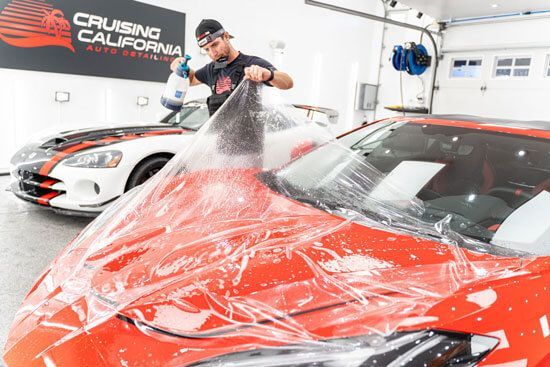
One of the most frequent causes of bubbling right after installation is trapped air, which occurs when tiny pockets form between the film and the paint during application. This can be a normal part of the PPF process and does not necessarily indicate a flaw in the work.
CCA Detailing
carefully applies paint protection film to minimize trapped air and create a smooth, consistent finish. Understanding how these bubbles differ from more serious defects and when they may resolve naturally can help vehicle owners avoid unnecessary worry after installation.
Why Air Gets Trapped Beneath the Film
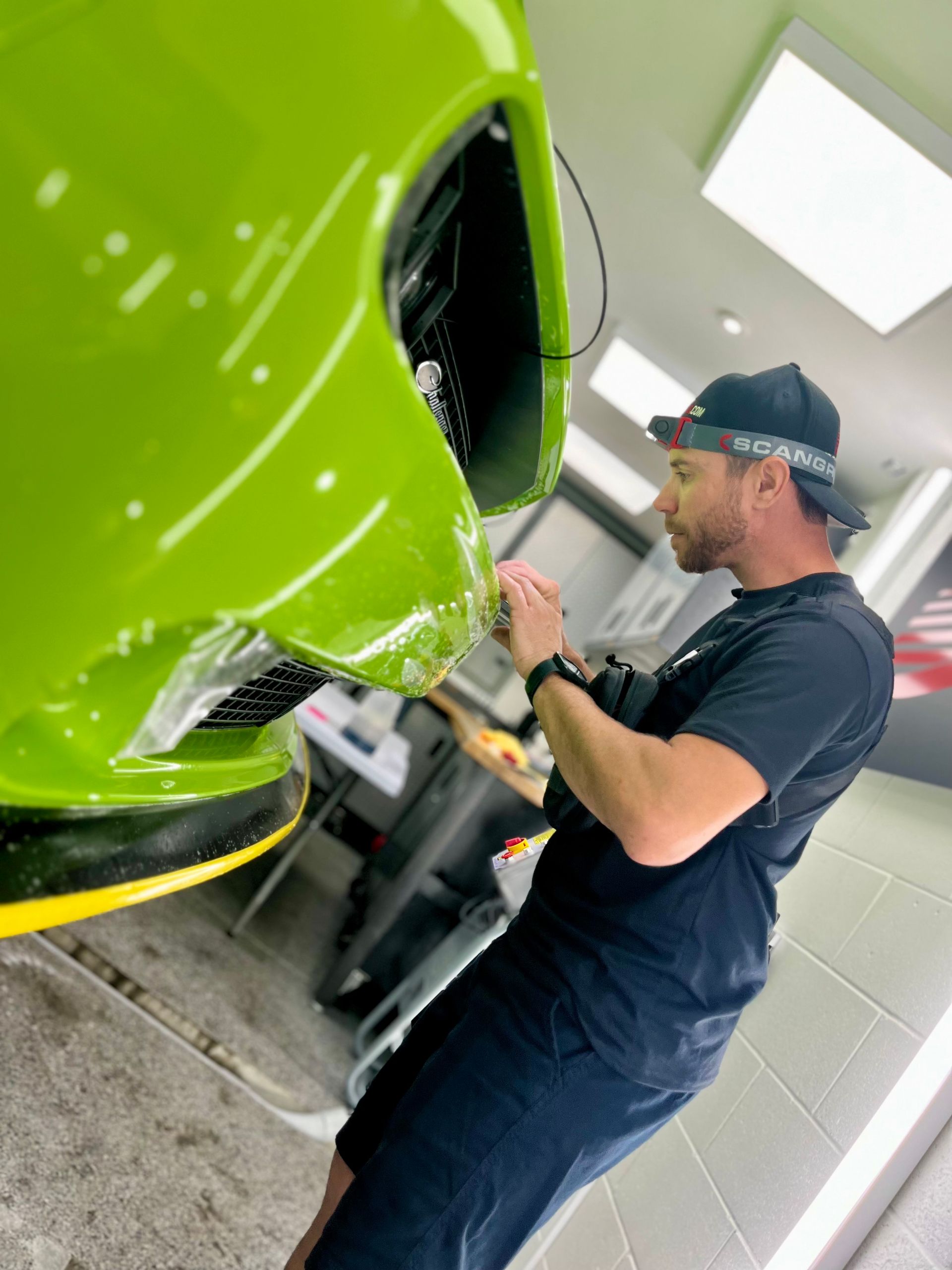
During application, installers use a squeegee to push out air and adhesive fluid from beneath the film, but on curved panels, edges, and body lines, small amounts of air can still become trapped despite careful technique. This is especially common around mirrors, door handles, and complex contours where the film has to stretch and conform to tight spaces. The trapped air creates small raised bumps that are usually only a few millimeters wide and are not connected to any adhesive failure. In most cases, this type of air pocket is a natural byproduct of the wet application method used for high-quality PPF installations.
How Trapped Air Differs from Long-Term Defects
Trapped air bubbles are fundamentally different from bubbles caused by contamination, poor adhesion, or curing failure because they involve no debris, moisture, or chemical breakdown beneath the film. These air pockets sit purely on the surface of the adhesive layer and have nowhere permanent to anchor themselves, which is why they tend to shrink and disappear as the film settles. Long-term defects, on the other hand, usually involve a foreign particle or moisture pocket that prevents the adhesive from bonding properly to the paint. Recognizing this distinction is important because it determines whether a bubble will resolve naturally or requires a technician to reopen and reapply that section of film.
Signs Your Trapped Air Bubbles Will Disappear on Their Own
If the bubble is small, evenly rounded, and appears within the first few days of installation, there is a strong chance it will flatten out as the adhesive continues to cure and the film relaxes into place. Warm weather and sunlight actually help this process along, since heat allows the adhesive to soften slightly and push out remaining air through natural outgassing. Most trapped air bubbles disappear completely within one to two weeks without any intervention needed from the installer. If a bubble remains unchanged or grows larger after several weeks, that is typically a sign that something other than simple trapped air is at play.
Moisture and Surface Contamination Issues
Beyond trapped air, moisture and contamination are two of the more serious culprits behind bubbles under paint protection film, and unlike air pockets, these issues do not resolve on their own over time. Both problems stem from conditions present on the vehicle's surface before or during installation, which is why proper preparation plays such a critical role in preventing them. Understanding how moisture and debris interfere with the bonding process helps explain why some bubbles are permanent while others are simply cosmetic and temporary.
How Moisture Gets Trapped Under the Film
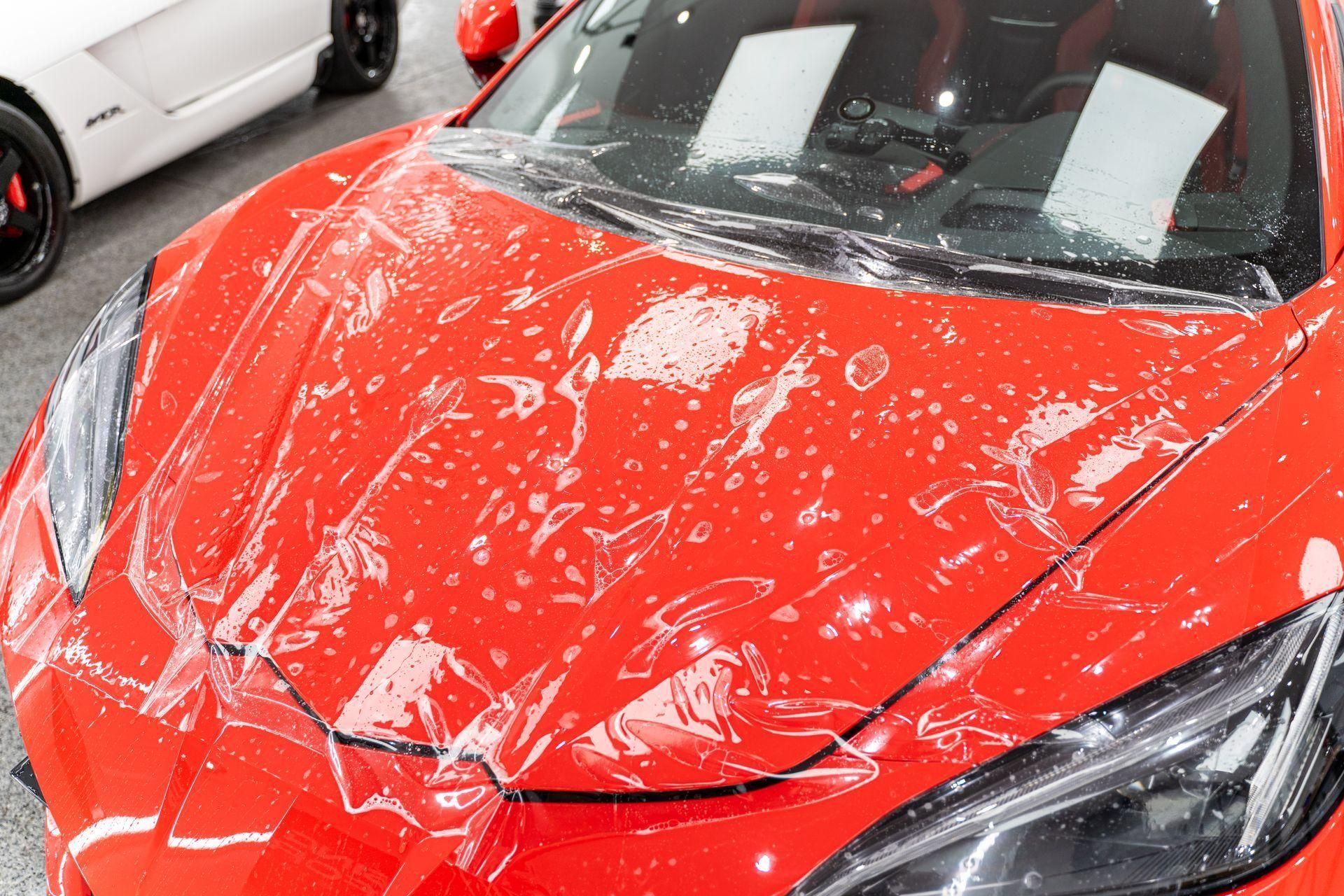
Moisture can become trapped beneath paint protection film when the vehicle's surface is not fully dry before application, or when humidity in the workspace interferes with the adhesive's ability to bond correctly. Installation fluids used to position the film are meant to evaporate through the film's micro-channels within a short period, but if excess moisture remains, it can pool and form a visible bubble. Unlike trapped air, moisture bubbles often look slightly cloudy or milky and may shift position when pressed. Over time, this trapped moisture can also affect adhesion quality, leading to lifting at the edges if it is not addressed early.
Dust, Dirt, and Residue on the Vehicle Surface
Even microscopic dust particles or leftover wax residue on the paint can prevent the film from sitting flush against the surface, creating a small raised area that eventually becomes a visible bubble. Vehicles that have not been properly washed, clayed, or decontaminated before installation are especially prone to this issue, since invisible particles can easily go unnoticed during a rushed prep process. Fingerprints, lint from cleaning cloths, and airborne debris in an uncontrolled workspace can all contribute to the same problem. This is one of the reasons a clean, controlled environment is so essential to a lasting PPF application.
Why Contamination Leads to Permanent Bubbling
Once a piece of debris or moisture becomes sealed beneath the film, it physically blocks the adhesive from making full contact with the paint in that specific spot. Because the film has already been applied and pressed into place, the trapped particle has nowhere to go, and the bubble it creates will not shrink or disappear with time or heat exposure. In many cases, these bubbles can actually grow slightly larger as dirt or moisture shifts beneath the surface. Addressing contamination-based bubbling almost always requires lifting the affected section of film and reapplying it correctly.
Improper Installation Techniques That Cause Bubbling
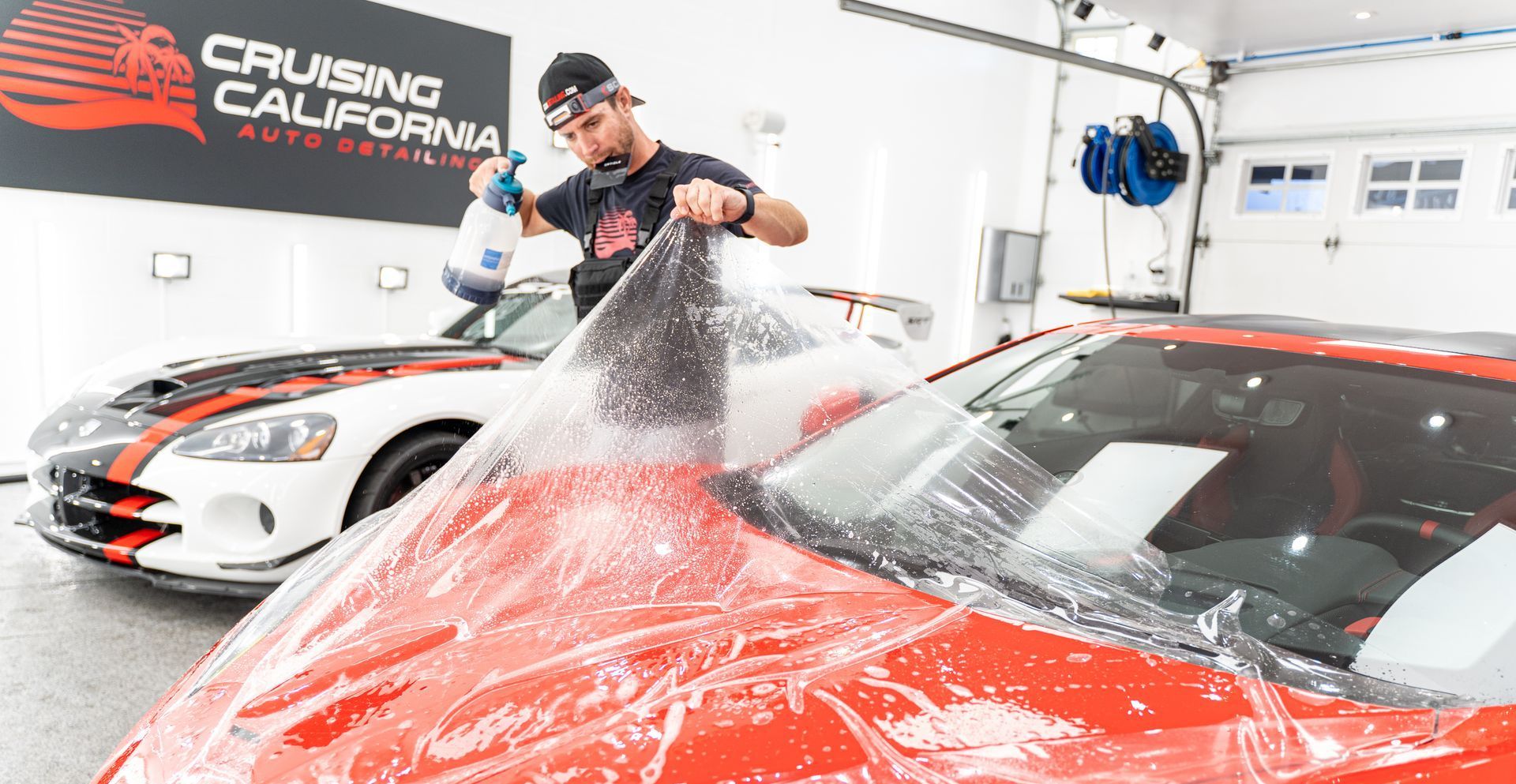
Installation technique plays one of the biggest roles in whether paint protection film lays smooth or develops bubbling over time. Inexperienced installers who rush through the squeegee process may leave behind uneven pressure spots, allowing small pockets of air or fluid to remain trapped in areas that should have been fully worked out. Cutting corners on edge wrapping, using outdated tools, or skipping proper film relaxation before application can all contribute to a finish that looks acceptable at first but begins bubbling within days or weeks. This is why the skill and patience of the installer matter just as much as the quality of the film itself.
Incomplete Curing and Its Effect on the Film
Paint protection film requires a curing period after installation during which the adhesive fully bonds to the vehicle's paint, and interrupting this process can lead directly to bubbling. Exposure to excessive heat, unexpected rain, or an early wash before the adhesive has properly set can disrupt the bonding chemistry and allow air or moisture to work its way beneath the film. Curing times vary depending on the film brand and environmental conditions, but most professional installations recommend allowing several days before exposing the vehicle to heavy washing or extreme temperature changes. When this window is respected, the adhesive forms a strong, even bond that resists bubbling for years to come.
Temporary Bubbles vs. Bubbles That Need Professional Attention
Distinguishing between harmless settling bubbles and bubbles that signal a failed installation comes down to size, consistency, and how the bubble changes over time. Small, clear bubbles that shrink steadily over the first two weeks are almost always part of the normal curing process and nothing to be concerned about. Bubbles that are cloudy, growing larger, appearing along the edges, or accompanied by lifting film are signs of a deeper issue that will not resolve without professional intervention. Waiting too long to address these warning signs can allow moisture or debris to cause additional damage to the film or even the paint underneath. When in doubt, having a trained technician inspect the film early on can prevent a small issue from becoming a costly one.
How Proper Surface Preparation Prevents Bubbling
The foundation of a bubble-free PPF installation is built long before the film ever touches the vehicle, starting with thorough surface preparation. A proper decontamination process, including washing and a clay-bar treatment, removes embedded dirt, tar, and residue that could otherwise interfere with adhesion. Working in a clean, dust-controlled environment further reduces the chances of airborne particles settling onto the paint during application. When these preparation steps are followed carefully, the film has a smooth, uninterrupted surface to bond to, dramatically lowering the risk of bubbling down the road.
The Role of Precise Application in a Smooth PPF Finish
Beyond preparation, the actual application process requires a steady hand, the right tools, and a controlled environment to achieve a bubble-free result. Skilled technicians understand how to stretch and mold film around curves and body lines without overworking the material or trapping air in hard-to-reach areas. Maintaining a consistent temperature and humidity level in the workspace also allows the adhesive to behave predictably during application, which is difficult to replicate in an uncontrolled garage setting. Precision at this stage is what separates a flawless, long-lasting finish from one prone to early bubbling and lifting.
Post-Installation Care Tips to Keep Your PPF Bubble-Free
Once your paint protection film has been installed, how you care for your vehicle in the days and weeks that follow plays a significant role in how well the film holds up. Respecting the recommended curing period before washing your vehicle gives the adhesive time to fully bond without interference. Hand washing with gentle soap is preferable to pressure washers or harsh chemical cleaners, especially in the early stages, since high-pressure water can force its way beneath film edges that have not fully cured. Avoiding automated car washes with abrasive brushes during this period also helps protect the integrity of the bond. Following these simple care habits ensures your PPF stays smooth, clear, and bubble-free for the long term.
Trust CCA Detailing for Flawless Paint Protection Film Installation in El Cajon, CA
At CCA Detailing, we understand that a flawless
paint protection film installation comes down to careful surface preparation, precise application, and proper post-installation guidance for every vehicle we work on in El Cajon, CA. Our experienced technicians take the time to properly decontaminate every surface, work in a controlled environment, and apply film with the patience and skill needed to avoid trapped air, moisture, and contamination issues. If you are dealing with unexpected bubbling or simply want to protect your vehicle with a trusted local team, we invite you to explore our paint protection film services and see the difference that experience and attention to detail make.
Reach out to CCA Detailing today to schedule an installation you can count on for years of clear, smooth protection.