Why Coating Application Towels Must Be Replaced Often
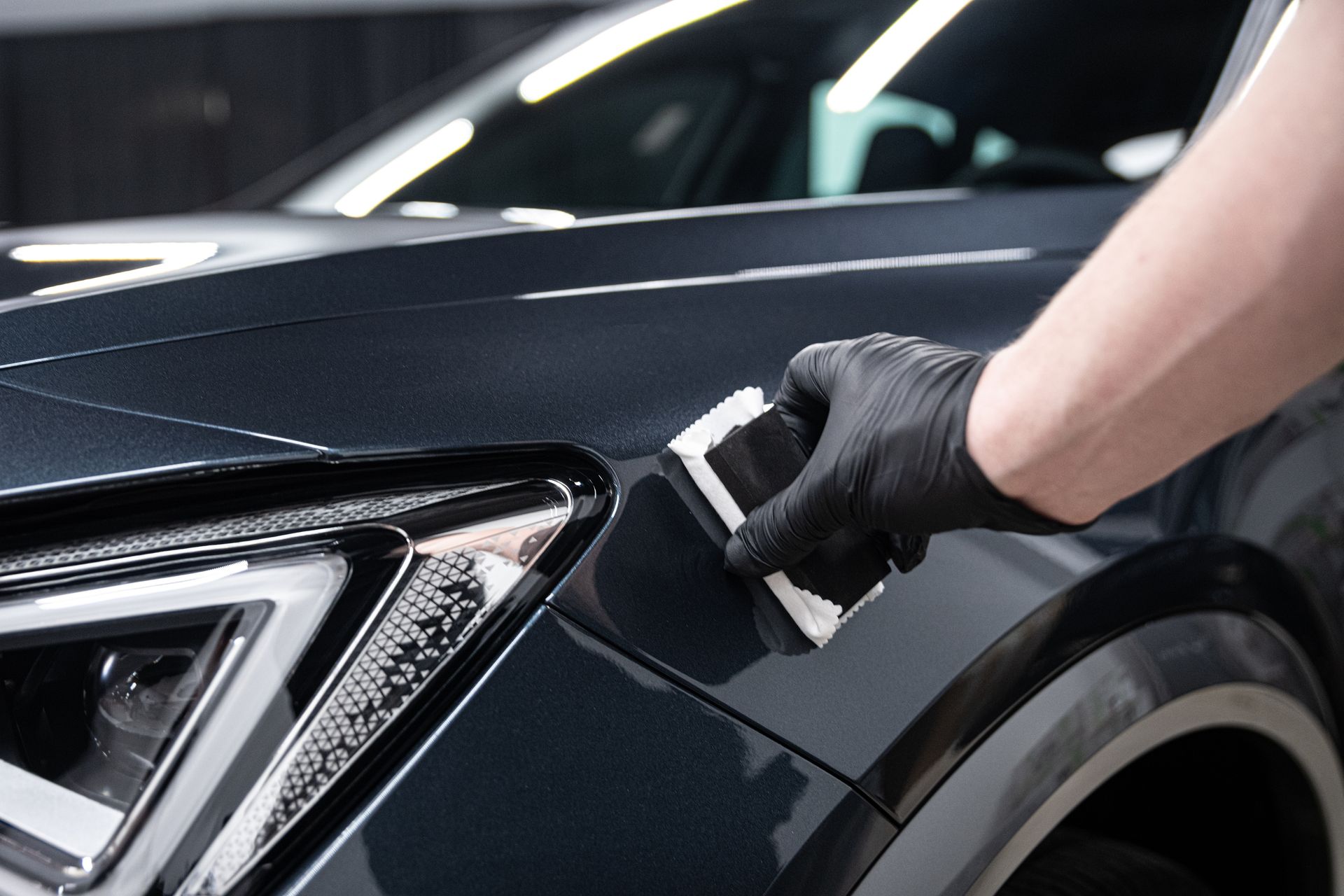
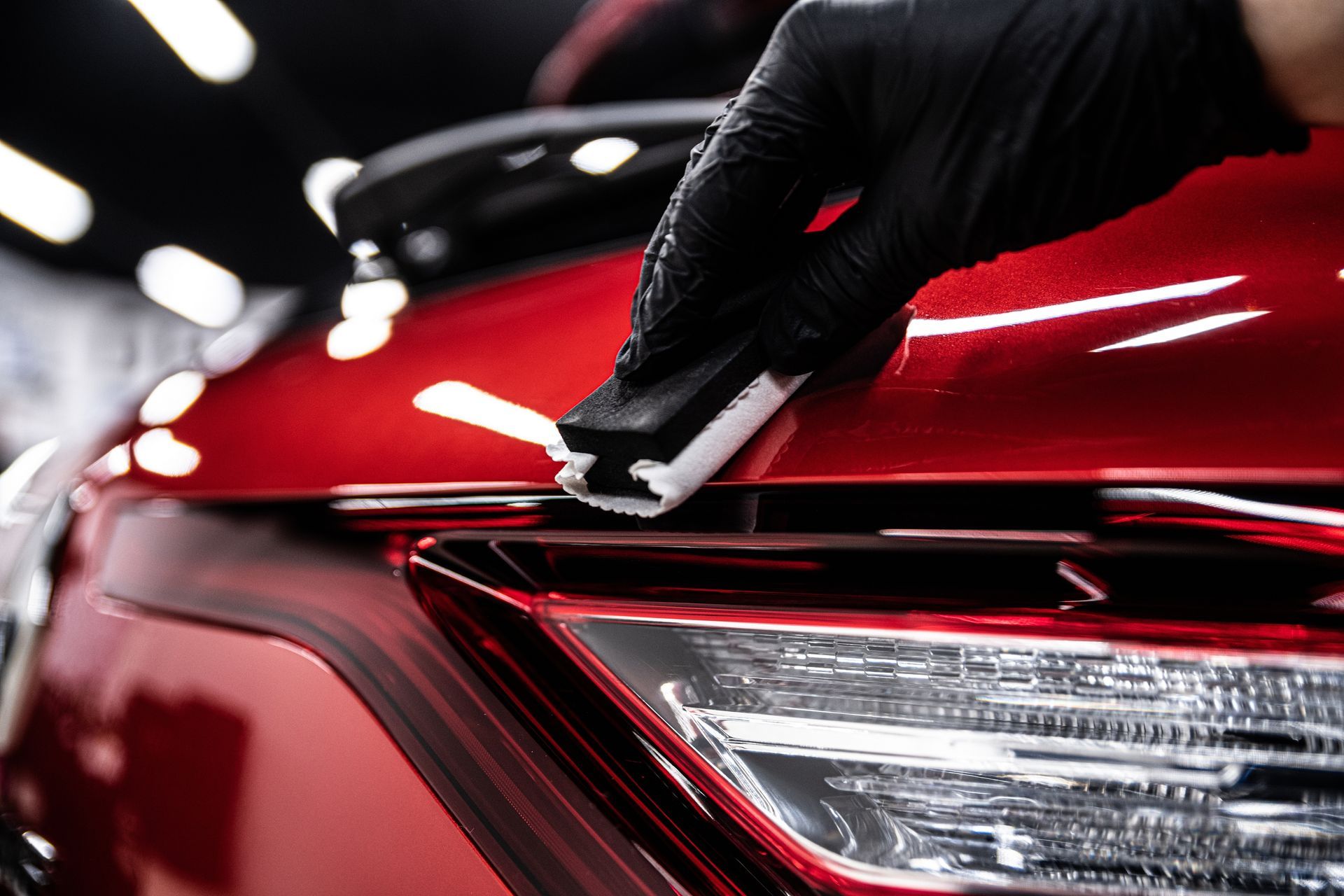
At CCA Detailing in El Cajon, CA, our technicians know that a flawless ceramic coating finish depends on more than just the product itself. The tools used during application, especially the towels, play a direct role in how smooth, even, and durable the final result turns out. One detail that many vehicle owners never think about is how often the ceramic coating application towel should be swapped out during the installation process. A towel that has already absorbed and dried coating residue can quietly ruin an otherwise perfect job. This blog walks through why fresh towels matter so much and how our team manages this step to protect every vehicle that comes through our shop.
How Coating Residue Hardens Inside Used Towels
Ceramic coating is designed to bond and cure quickly once it makes contact with a surface, and that same chemical reaction happens inside the fibers of an application towel the moment the product soaks into it. What starts as a soft, pliable towel can begin stiffening within minutes if it is not replaced or properly managed. Understanding how this curing process works, why it accelerates with repeated use, and why washing alone cannot undo the damage helps explain why our team at CCA Detailing treats towel rotation as a non-negotiable part of every ceramic coating installation in El Cajon.
The Chemical Curing Process on Towel Fibers
Ceramic coatings are formulated to harden through a chemical reaction that begins as soon as the product is exposed to air, and this process does not pause just because the coating happens to be sitting inside a towel instead of on a vehicle panel. The moment the product is applied and wiped, a portion of it remains trapped within the towel's fibers, and that residue starts curing almost immediately. Because this reaction happens faster than most people expect, a towel that felt soft and usable just minutes earlier can begin developing hardened patches before the installer even finishes the next panel.


Buildup After Multiple Panel Applications
Every additional panel that a single towel is used on adds another layer of coating residue to fibers that are already carrying leftover product from before. This progressive buildup means the towel becomes less effective with each pass, even if the change is not immediately visible to the naked eye. By the time an installer has worked across several panels with the same towel, the fibers are often carrying a mix of wet and partially cured residue, which compromises how evenly the next application of coating can be spread.
Why Hardened Residue Can't Be Washed Out
A common misconception is that a stiff or residue-covered towel can simply be laundered and returned to service, but cured ceramic coating does not behave like ordinary dirt or grease. Once the resin has chemically bonded to the fabric, standard washing methods are not capable of breaking that bond and restoring the towel's original texture. This is precisely why our detailers at CCA Detailing replace towels outright rather than attempting to reclean them mid-installation, since doing so protects the consistency of every coating job we perform.
Loss of Absorbency in Overused Towels
As coating residue accumulates inside a towel, the fibers gradually lose their ability to soak up and redistribute product the way they did when new. This drop in absorbency is not always something an installer notices right away, since the towel may still look and feel usable on the surface. However, the underlying fiber structure has already been compromised, which means the towel cannot spread ceramic coating evenly across a panel anymore. Instead of smoothing product into a thin, uniform layer, an overused towel tends to leave behind uneven pooling or thin patches, both of which affect how the coating levels and cures once it fully sets on the vehicle.
Streaking and Uneven Leveling Caused by Dirty Towels
One of the most frustrating outcomes of reusing a compromised towel is streaking, which shows up as faint lines or inconsistent gloss across an otherwise well-prepped surface. This happens because a towel carrying hardened residue no longer glides evenly, causing it to drag or skip in certain spots rather than distributing product uniformly. For installers, streaking is one of the more common reasons a vehicle has to be revisited or corrected after the fact. At CCA Detailing, we treat consistent leveling as a top priority, which is why our detailers keep a steady rotation of clean towels on hand throughout every ceramic coating application in El Cajon.
Risk of Surface Scratches from Worn or Contaminated Towels
Beyond streaking, a worn or residue-heavy towel introduces a more serious risk to the vehicle's surface: fine scratching. Once ceramic coating hardens inside towel fibers, those cured particles behave almost like tiny abrasives when dragged across paint or an existing coating layer. This risk becomes even more pronounced on high-gloss finishes and dark-colored vehicles, where even the smallest imperfection is far more visible under direct light. Left unaddressed, this kind of contact damage can lead to long-term marring that undermines both the appearance and the protective value of the coating itself.
Signs It's Time to Replace Your Application Towel
Knowing when to retire a towel during installation is a skill that experienced detailers develop over time, and it comes down to recognizing a handful of physical warning signs before they cause visible damage. Texture, appearance, and how the towel moves across a panel all provide clues that a swap is overdue. The following breakdown highlights the specific indicators our team watches for during every ceramic coating job.
Stiff or Crusty Texture
A towel that begins to feel stiff, crusty, or rough to the touch mid-application is one of the clearest signs that hardened residue has already started forming inside its fibers. This change often happens gradually, so installers need to periodically check the towel's feel rather than relying purely on how it looks, since texture changes tend to appear before any visible discoloration does.
Visible Discoloration or Residue Spots
Yellowing, hazy patches, or a filmy residue on the towel's surface are strong indicators that the coating product has begun curing in localized areas. These visual cues are easier to catch than texture changes and give installers a fast way to identify which towels need to be pulled from rotation immediately rather than continued for even one more panel.
Reduced Glide Across the Surface
When a towel starts dragging or creating resistance as it moves across a panel instead of gliding smoothly, this friction is often the first physical sign that fiber performance has declined. Reduced glide directly affects how evenly coating spreads, making this one of the most important real-time indicators an installer can rely on during active application.
Best Practices for Rotating and Replacing Towels During Application
Successful
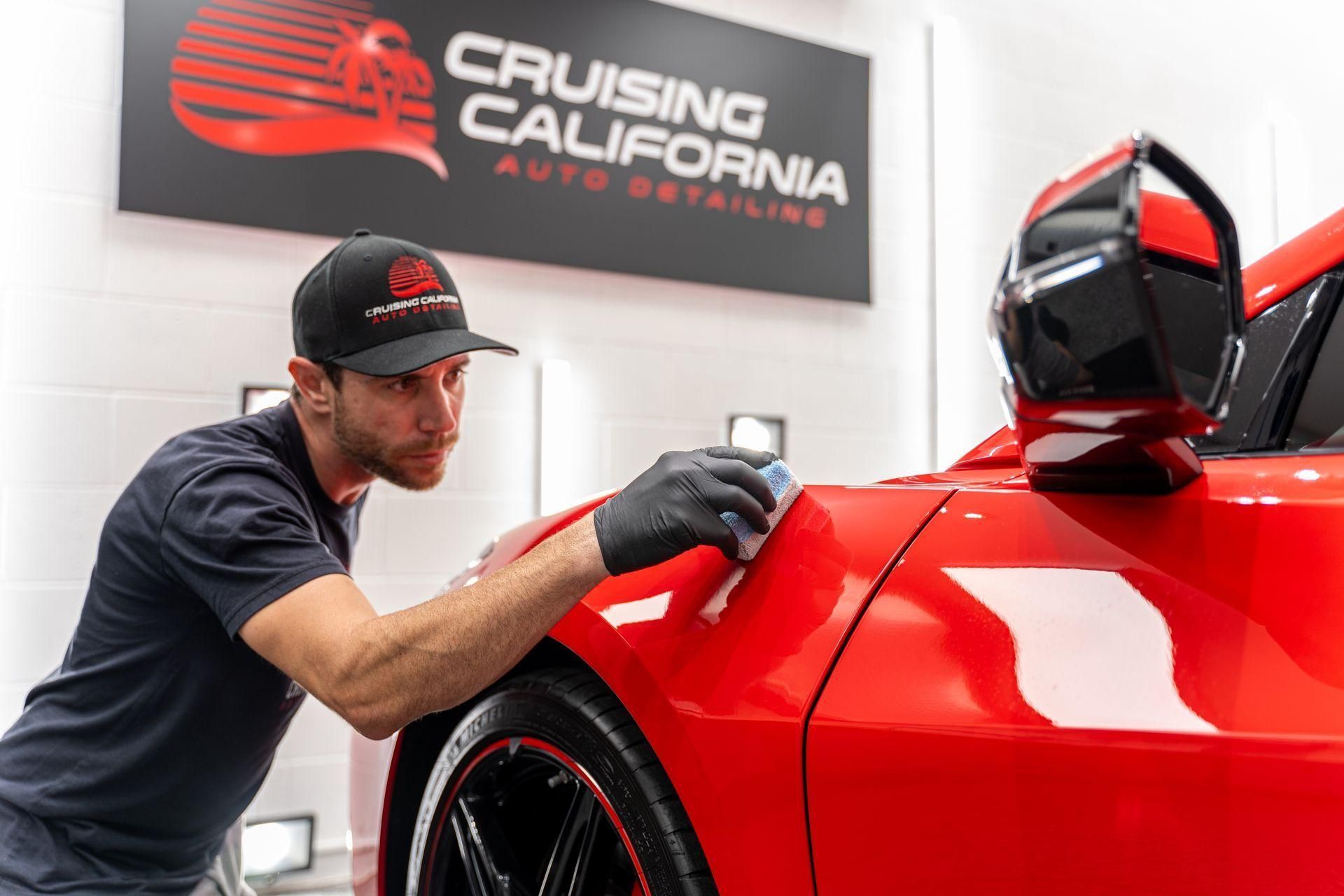
ceramic coating installation depends heavily on having a clear, disciplined approach to towel management rather than leaving it to chance mid-job. Our detailers follow a structured rotation system that accounts for panel size, coating coverage, and how quickly product begins to cure in typical shop conditions. Fresh, folded towels are staged in clean, organized stacks before work begins, allowing installers to swap tools quickly without interrupting their workflow or risking cross-contamination between panels. This level of preparation is a big part of why CCA Detailing is able to deliver consistent, streak-free results on every vehicle we coat.

How Professional Installers in El Cajon, CA Approach Towel Management
Local climate plays a real role in how quickly ceramic coating cures once it is applied, and El Cajon's warmer temperatures can accelerate the curing process inside towel fibers even faster than in cooler regions. Professional installers who understand this factor build their towel rotation schedule around it, replacing towels more frequently during peak heat to avoid the buildup issues discussed throughout this article. At CCA Detailing, this attention to detail reflects the broader standard we hold ourselves to on every ceramic coating project, helping our El Cajon customers avoid redoing work and enjoy a finish that looks as good months later as it did the day it left our shop.
Conclusion: Fresh Towels Are the Foundation of a Flawless Coating
Streaking, uneven leveling, and fine surface scratches are all avoidable outcomes once installers understand how quickly ceramic coating can compromise an application towel. Replacing towels regularly is a small, simple habit, but it has an outsized impact on the overall quality and longevity of a coating job. If you are searching for a team in El Cajon, CA that takes every step of the ceramic coating process seriously,
contact us at CCA Detailing to schedule your professional ceramic coating service and give your vehicle the careful finish it deserves.