What Happens When PPF Is Installed Over Paint Defects?
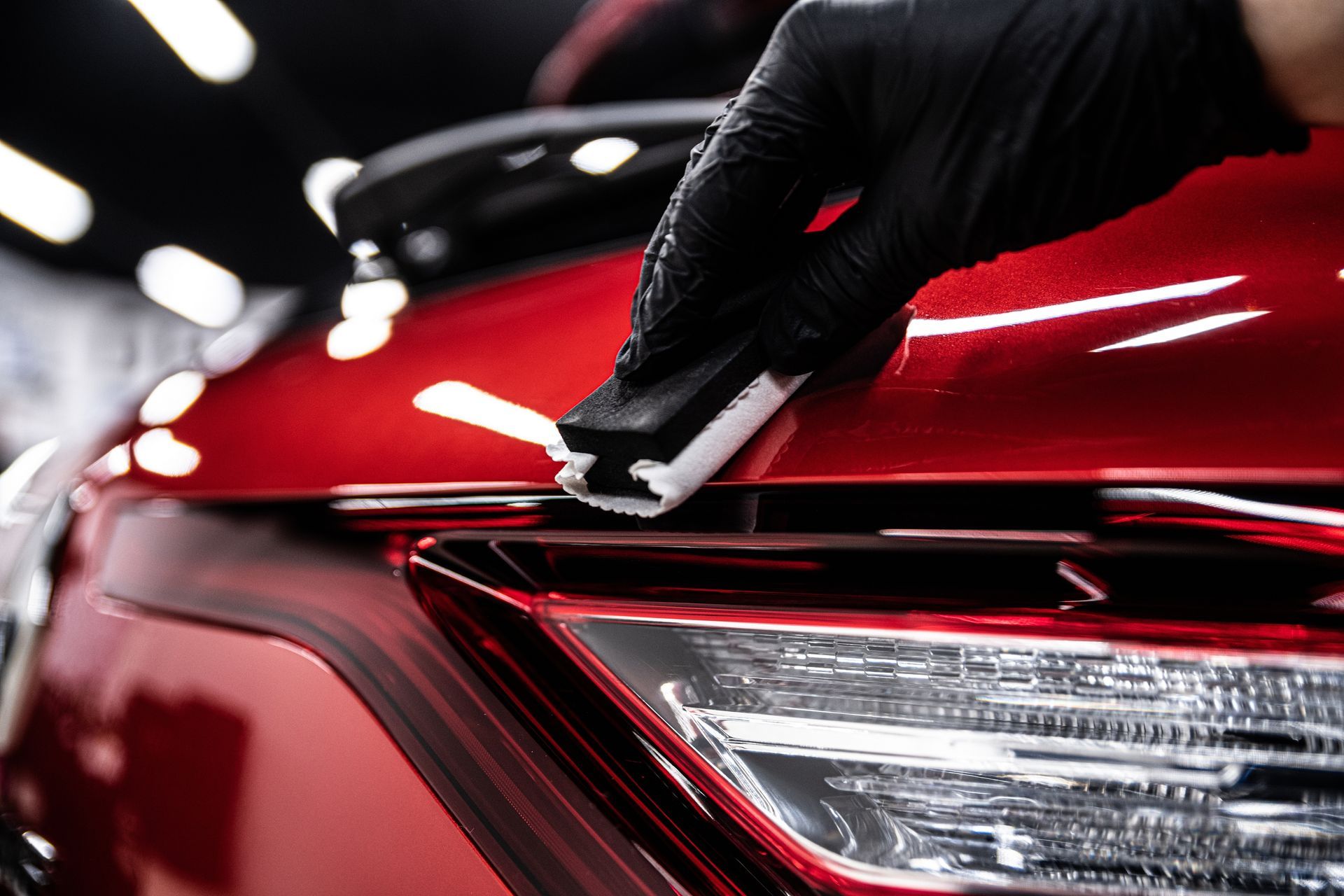
Paint protection film is designed to create a durable protective layer over a vehicle’s painted surfaces, but the condition of that paint plays an important role in the final appearance. When PPF is installed over minor scratches, swirl marks, chips, stains, or uneven surfaces, those existing conditions do not automatically disappear. For vehicle owners in El Cajon, CA, understanding the relationship between paint condition and PPF installation can help prevent unexpected results and support a smoother-looking finish. At CCA Detailing, careful surface evaluation and preparation are important parts of providing paint protection film services that align with the vehicle’s existing condition.
What Happens When PPF Is Installed Over Paint Defects?
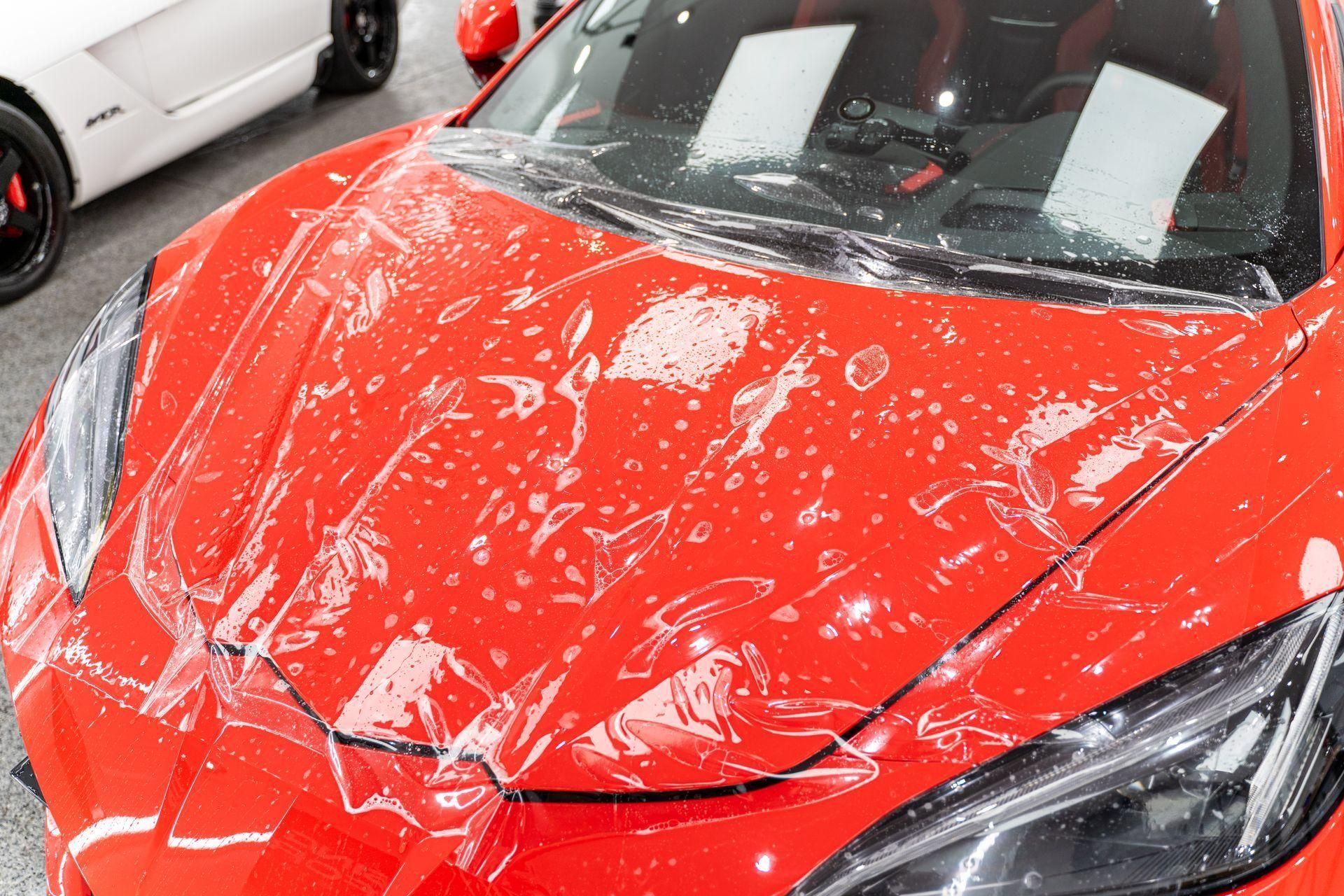
Installing PPF over existing paint defects can leave those imperfections visible beneath the film because the material is transparent and closely follows the vehicle’s surface. PPF can protect the paint from many forms of future environmental and road-related damage, but it is not intended to repair minor scratches, chips, stains, or uneven paint underneath it. The condition of the surface before installation therefore has a direct influence on how the completed vehicle looks. Understanding what happens with PPF Over Paint Defects helps El Cajon vehicle owners make informed decisions about inspection and preparation before moving forward with film installation.

Can Minor Scratches and Swirl Marks Remain Visible Under PPF?
Light scratches and swirl marks may remain noticeable after PPF has been installed, particularly when the vehicle is viewed under strong sunlight or artificial lighting. Because the film is clear, it does not simply cover these imperfections with an opaque layer that changes the appearance of the paint. Instead, the film conforms closely to the surface underneath, which means existing marks can continue to affect the way light reflects from the panel. While PPF can provide valuable protection against future surface damage, installing it does not replace the need to address suitable paint imperfections beforehand when appearance is a priority.
What Happens When PPF Covers Paint Chips and Deeper Damage?
Paint chips and deeper defects can be more noticeable because they may involve missing paint or irregular edges rather than simple surface marks. When film is placed over these areas, the underlying condition can remain visible through the transparent material, and the difference in surface level may affect the uniformity of the finished appearance. More serious damage may also require more than routine polishing because correction cannot always restore areas where paint has already been removed. Before installing PPF, it is important to determine whether the affected area is suitable for film application or whether paint repair should be considered first.
Can Stains and Uneven Surfaces Show Through PPF?
Stains, oxidation, sanding marks, rough textures, and uneven paint can also remain visible beneath PPF. Although the film creates a smooth protective layer, it does not necessarily eliminate variations in the surface underneath it. If one section of a panel has a different texture or finish from the surrounding paint, the difference may still be noticeable after installation. This is why evaluating the consistency and condition of the paint before applying film is particularly important when the goal is a clean and uniform appearance across the protected area.
Why Does PPF Not Hide Most Paint Imperfections?
PPF is transparent by design, allowing the vehicle’s original paint color and finish to remain visible while adding a protective layer over the surface. This transparency means that the film cannot be relied upon to conceal existing defects in the same way that a new layer of paint might change the appearance of a panel. The material generally follows the contours and characteristics of the surface beneath it, so minor scratches, texture variations, and other imperfections can continue to influence the final look. For this reason, PPF installation should be viewed as a protection process rather than a method of correcting damaged paint.
How Does Clear Film Affect the Visibility of Existing Defects?
The clarity of PPF allows light to pass through the film and reflect from the painted surface underneath, which means existing imperfections can still affect what the eye sees. A defect may appear subtle in shaded conditions but become more noticeable when sunlight reaches the panel at a particular angle. Swirl marks, minor scratches, and inconsistent paint texture can therefore remain apparent even after the vehicle has been protected. Proper preparation can help reduce suitable imperfections before installation, allowing the transparent film to complement the paint rather than draw attention to conditions that were already present.
Why Can PPF Follow Existing Surface Irregularities?
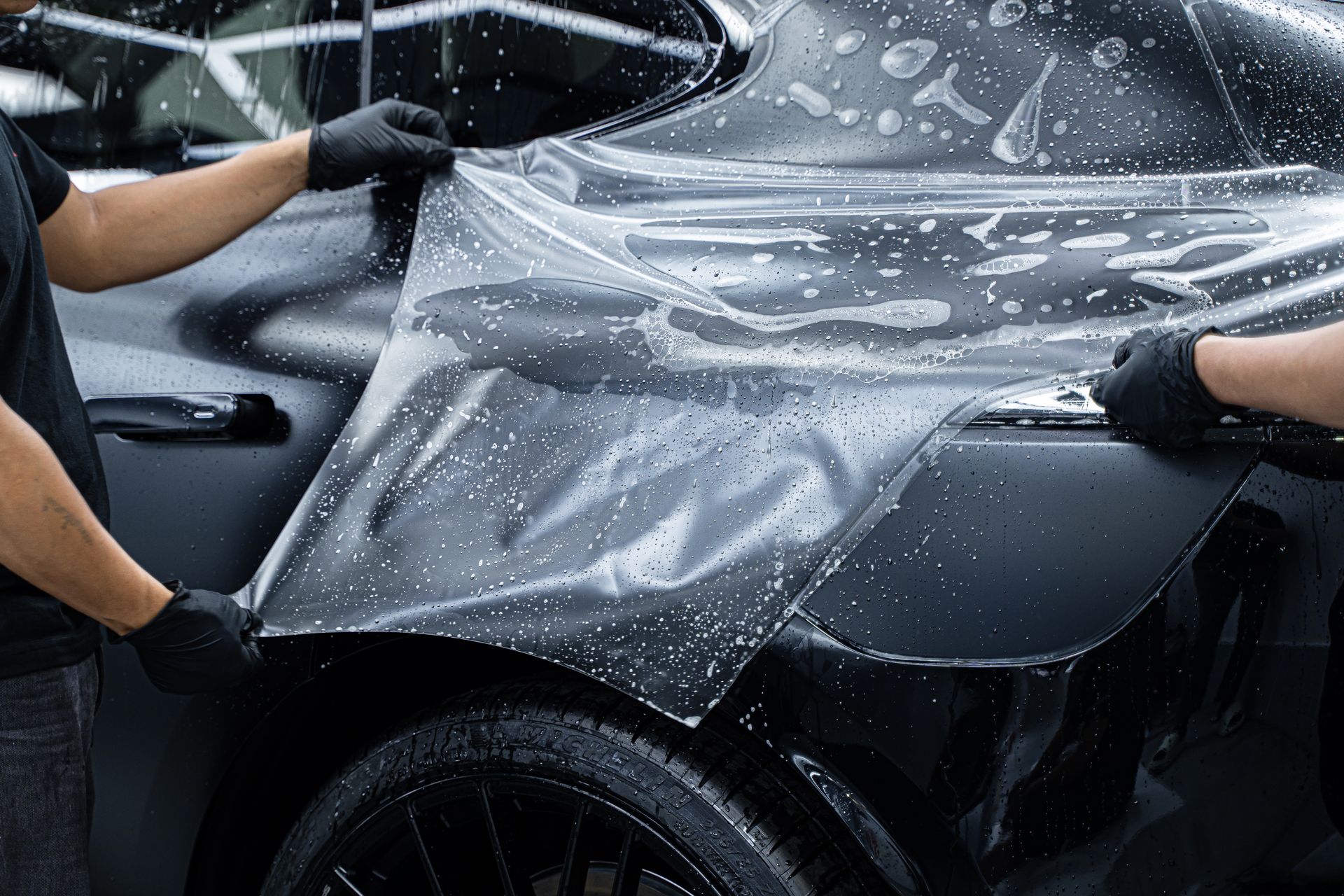
During installation, PPF is carefully positioned and fitted to the contours of the vehicle’s panels, allowing it to conform closely to the surface. If that surface contains an indentation, raised area, rough texture, or other irregularity, the film may follow that condition instead of creating a completely different surface underneath. This is one reason why the quality of the substrate matters when preparing a vehicle for PPF. A properly prepared panel gives the film a more consistent foundation, which can contribute to a cleaner visual result after installation.
Why Does PPF Installation Not Repair Damaged Paint?
Paint protection film and paint correction serve different purposes. PPF is installed to help protect an existing painted surface, while paint correction is intended to improve suitable surface imperfections through controlled polishing and other preparation techniques. More serious damage, missing paint, or serious defects may require a different type of repair before film is considered. Treating PPF as a solution for damaged paint can lead to unrealistic expectations because the film protects the condition underneath rather than restoring the paint to its original state.
What Should Be Checked Before PPF Installation?
A thorough paint inspection provides an important starting point before applying paint protection film. The vehicle should be evaluated for visible minor scratches, swirl marks, chips, stains, oxidation, contamination, texture differences, and other conditions that could influence the finished appearance. Looking at the paint from different angles and under appropriate lighting can reveal imperfections that may not be obvious during a quick inspection. For CCA Detailing, understanding the condition of the vehicle’s paint helps determine what preparation may be appropriate before PPF installation in El Cajon, CA.
How Should Minor Scratches, Chips, and Surface Damage Be Evaluated?
The severity and location of existing defects should be considered before the film is installed. Fine surface marks may respond differently to correction than deeper scratches that have affected the paint more significantly. Similarly, a small chip may require different attention than an area with extensive paint loss or peeling. Identifying these differences before installation helps establish realistic expectations about the final appearance and determines whether the surface is ready for PPF or needs additional preparation.
Why Is Surface Uniformity Important?
A consistent paint surface provides a better foundation for a uniform-looking PPF installation. Differences in texture, gloss, oxidation, or paint condition can remain visible through clear film and may become more apparent once the protected panel is viewed in direct light. Evaluating surface uniformity before installation allows suitable preparation to be completed where necessary. This step is especially valuable when vehicle owners want the protective benefits of PPF while also maintaining a clean and consistent appearance across the finished panels.
When Is Paint Correction or Repair Necessary?
Not every imperfection requires the same treatment, so the appropriate preparation depends on the vehicle’s condition. Suitable light defects may be addressed through paint correction, while deeper chips, significant minor scratches, or areas with missing paint may require repair before film installation. The goal is to create a surface that is suitable for the intended PPF application without treating the film as a replacement for paint restoration. A careful assessment can help determine which areas should be corrected, repaired, or simply documented before protection is applied.
How Does Paint Correction and Surface Preparation Improve PPF Results?
Proper preparation can make a meaningful difference in the appearance of PPF because the film is only as consistent as the surface beneath it. Removing appropriate contaminants and addressing suitable paint imperfections can provide a cleaner foundation for installation. Paint correction may improve the appearance of light defects when the paint condition allows for it, while more serious damage should be evaluated separately. For El Cajon drivers choosing CCA Detailing, preparation before PPF can help create a smoother-looking finish while supporting the primary purpose of protecting the vehicle’s paint.
How Can Suitable Surface Defects Be Corrected?
Paint correction can be considered when the vehicle has suitable surface-level imperfections such as certain swirl marks, light scratches, or other finish irregularities. The process is intended to improve the existing paint rather than simply cover its condition with film. Whether correction is appropriate depends on factors such as defect depth, paint condition, and the overall state of the panel. Addressing suitable imperfections before PPF can help reduce visible inconsistencies and create a more refined foundation for the transparent protective film.
Why Is Proper Surface Cleaning Important?
Before PPF installation, the surface needs to be appropriately cleaned and prepared so contaminants do not interfere with the installation process. Dirt, residue, oils, and other surface contaminants can affect how the film sits against the paint and may contribute to an inconsistent finished appearance. Proper preparation helps ensure that the film is being applied to a suitable surface rather than trapping unwanted material underneath it. This attention to preparation is an important part of maintaining the quality and appearance expected from a professional PPF service.
What About Deeper Paint Damage?
Deeper scratches, paint chips, peeling areas, and other significant defects should be assessed carefully because they may not be correctable through routine polishing. When paint has been removed or seriously compromised, placing clear film over the area does not restore the missing material. In these situations, appropriate paint repair may need to be considered before PPF installation, depending on the vehicle owner’s goals and the condition of the panel. Addressing more serious damage first can help establish a more suitable surface for the protective film.
What Are the Risks of Skipping Paint Inspection Before PPF?
Skipping a paint inspection can create unrealistic expectations about the finished appearance and may leave existing defects visible beneath the film. A vehicle can look relatively clean during a quick visual check while still having swirl marks, minor scratches, stains, or texture variations that become more apparent once the PPF is installed and exposed to direct light. Without evaluating these conditions beforehand, vehicle owners may assume the film will conceal imperfections that it was never designed to correct. A proper inspection helps identify these issues early and supports a more informed decision about preparation.
How Does Professional PPF Preparation Support a Better Finish in El Cajon, CA?
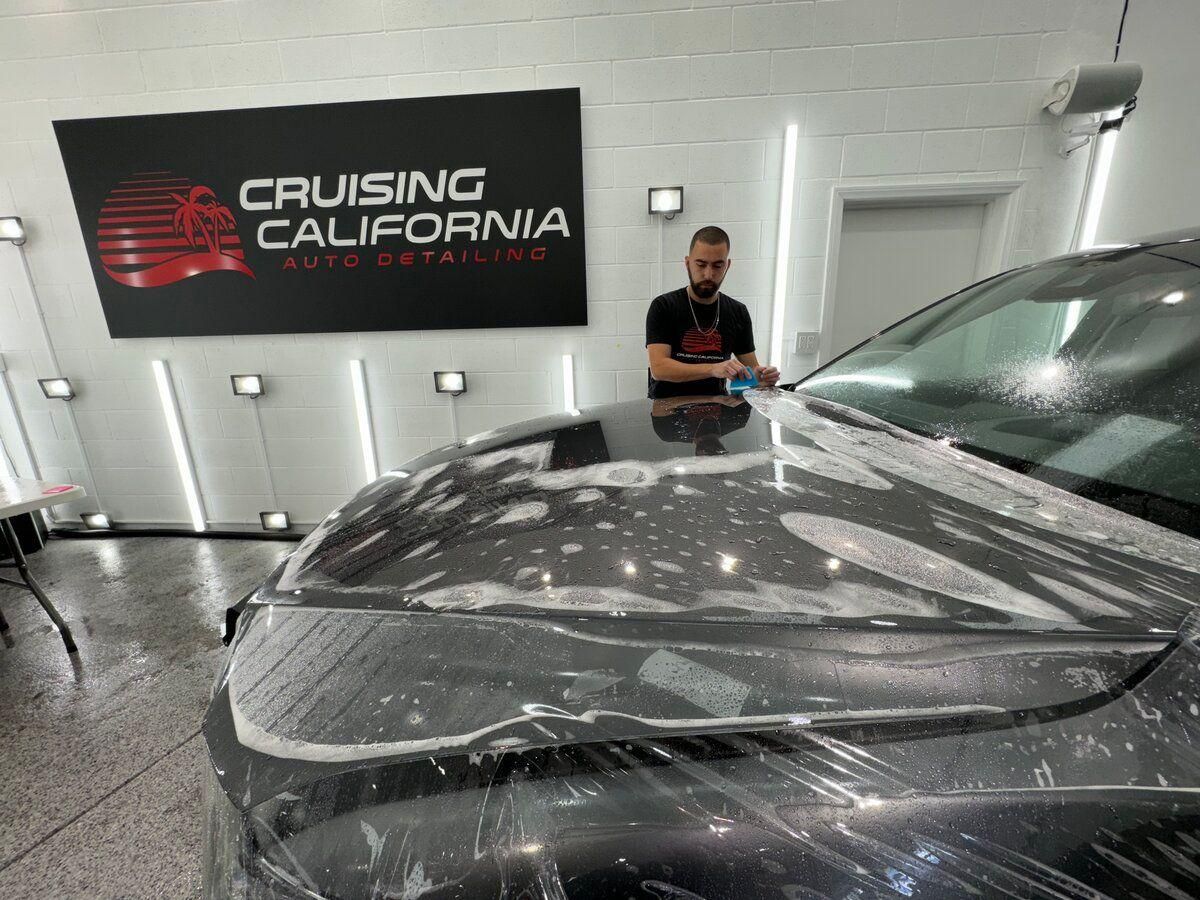
Vehicle owners in El Cajon, CA, encounter everyday road conditions that can make protecting automotive paint a worthwhile consideration, but the quality of the finished result begins before the film reaches the vehicle. At CCA Detailing, the preparation stage can help establish whether the paint is suitable for PPF and whether additional correction or attention is appropriate. Evaluating the surface, removing contaminants, and preparing the selected panels can support a more consistent installation. This approach allows the protective qualities of PPF to work alongside a properly prepared surface rather than attempting to hide pre-existing paint problems.
When Should Paint Be Corrected Before PPF Installation?
Paint correction should generally be considered before PPF when suitable surface imperfections are affecting the appearance of the vehicle and can reasonably be improved through correction. Light swirl marks, fine surface minor scratches, and certain finish inconsistencies may benefit from appropriate preparation, while more serious damage may need repair instead. Making this decision before installation is important because removing or correcting defects after PPF has been applied can involve additional work. Assessing the paint first allows vehicle owners to choose a preparation approach that matches both the condition of the vehicle and their desired final appearance.
Why Does Paint Preparation Matter Before Applying PPF?
Installing PPF over existing paint defects does not usually make those imperfections disappear. Minor scratches, swirl marks, chips, stains, and uneven surfaces can remain visible beneath transparent film because PPF is designed to protect the surface rather than repair it. For vehicle owners in El Cajon, CA, a careful paint inspection followed by appropriate correction, repair, cleaning, and preparation can help create a more consistent foundation for installation. CCA Detailing provides paint protection film services focused on protecting vehicle paint while taking the existing surface condition into consideration, helping drivers make informed choices before applying PPF. Ready to protect your vehicle with a cleaner, more consistent finish?
Contact us
in El Cajon, CA, to schedule a professional PPF inspection and installation.