How Installers Confirm Full Ceramic Coating Coverage
When a vehicle owner in El Cajon, CA, invests in a ceramic coating, the expectation is simple: complete, even protection across every painted surface, without streaks, gaps, or high spots that compromise the finish. What most people do not see is the layered verification process that happens behind the scenes at a professional detailing shop. At CCA Detailing, confirming full ceramic coating coverage is not a single step but a combination of lighting checks, controlled application methods, panel-by-panel inspection, and surface testing that together ensure the coating cures evenly across the entire vehicle. This blog walks through exactly how trained installers verify coverage so that every customer drives away with a finish that performs the way it should for years to come.
Why Proper Lighting Is Critical for Spotting Coverage Gaps
Proper lighting is an essential part of ceramic coating inspection because subtle inconsistencies can be difficult to see under ordinary shop lighting. At
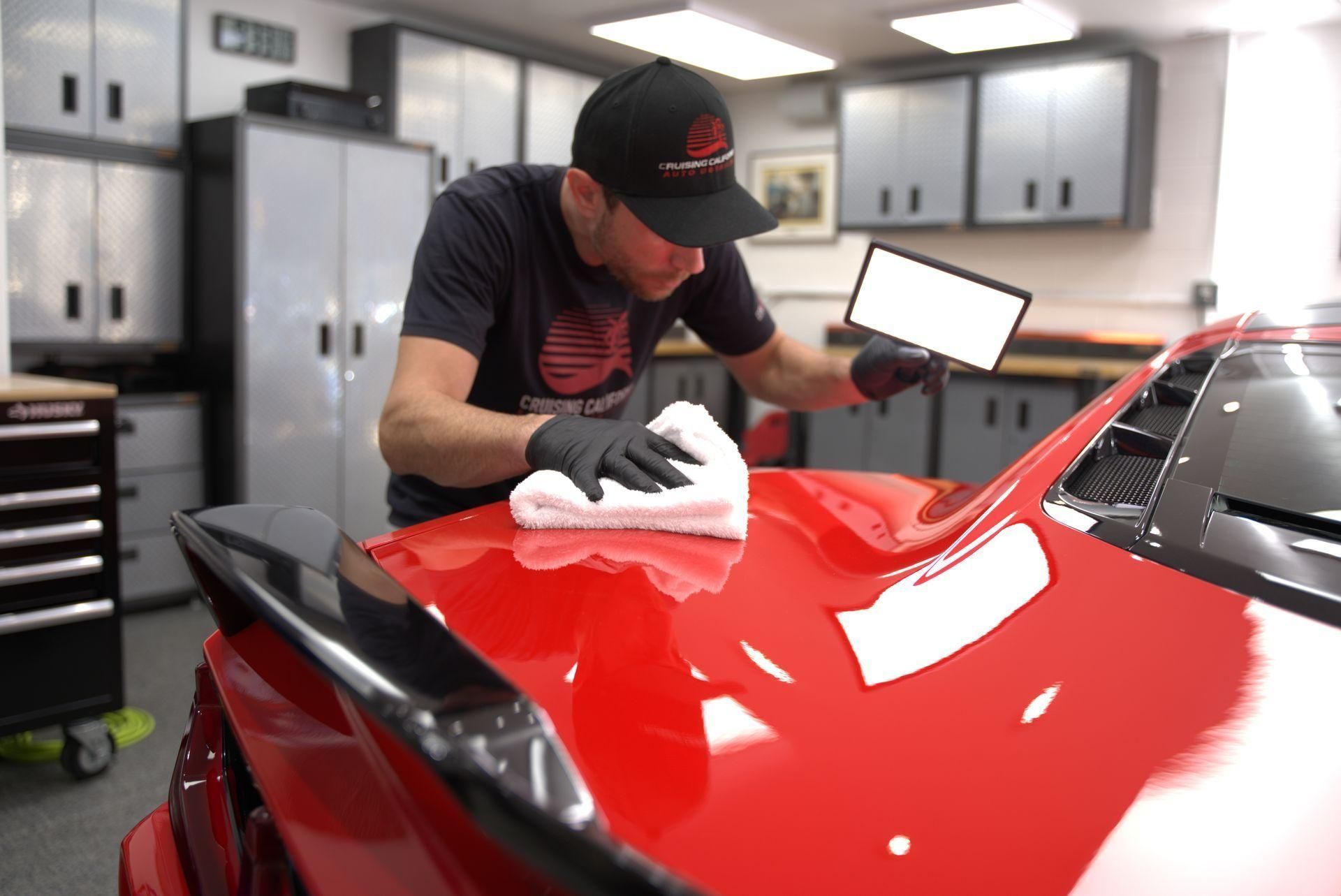
CCA Detailing, installers use controlled lighting and high-intensity inspection lights to identify uneven areas, streaks, high spots, or missed sections before the coating fully cures. By viewing each surface under different lighting conditions and angles, installers can verify the coating has been applied evenly and address potential issues while they can still be corrected.
Natural vs. Artificial Lighting in the Shop
Detailing professionals understand that natural daylight and artificial shop lighting reveal different types of imperfections, which is why both are used at different stages of the coating process. Daylight, particularly indirect sunlight, tends to expose broader inconsistencies such as uneven gloss levels or hazing across larger panels, while controlled LED lighting inside the shop offers a consistent, glare-free environment for close inspection. Our facility in El Cajon, CA, is set up specifically to take advantage of both lighting types, allowing installers to cross-check their work under varying conditions rather than relying on a single light source that might mask subtle flaws.
Identifying Streaks, High Spots, and Missed Panels
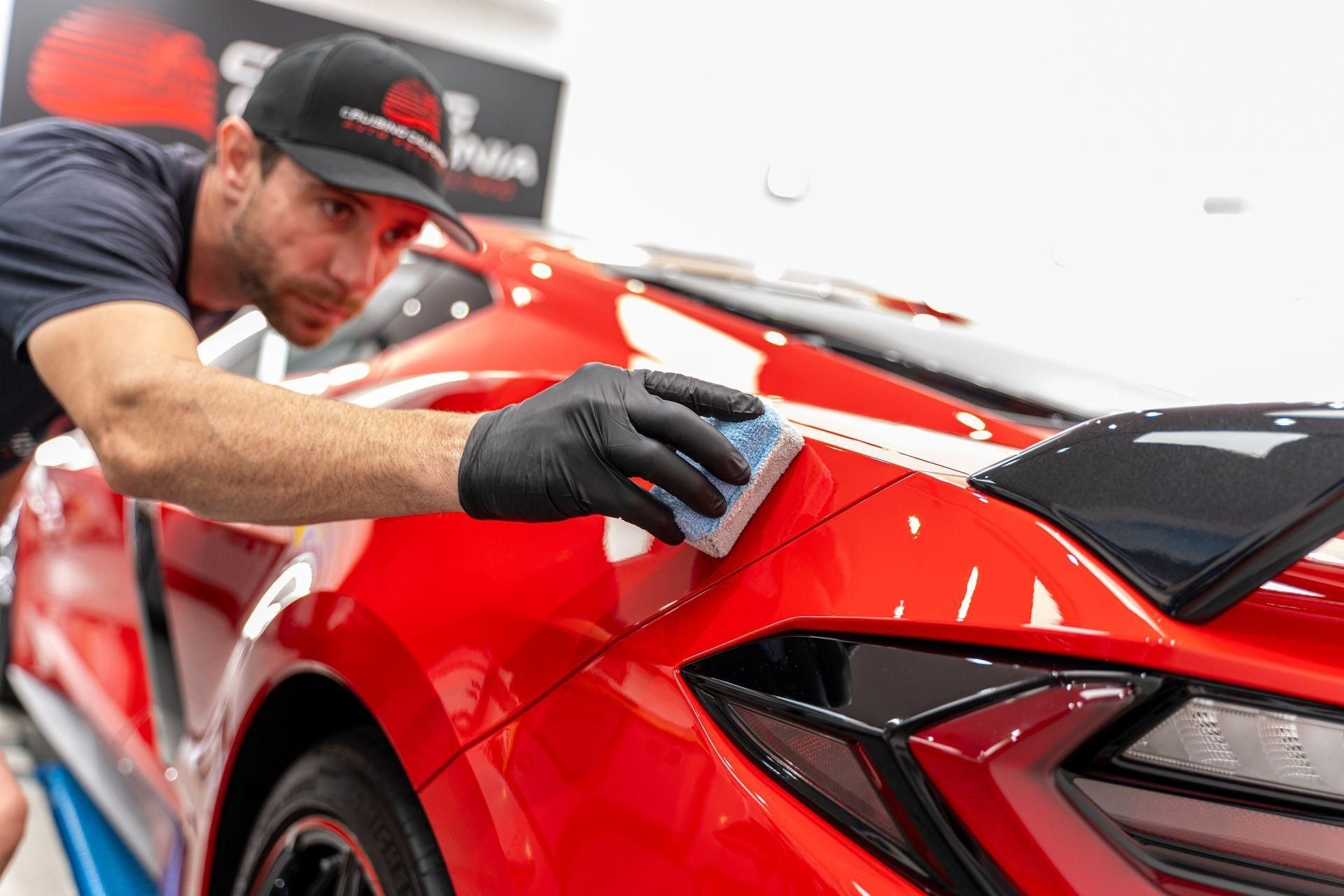
Swirl-finder lights and raking light angles are essential tools for catching streaks, high spots, and areas where the coating may have been applied unevenly or missed entirely. When light is angled sharply across a panel, even the faintest ridge or thin patch becomes visible, which is particularly important around complex areas like door jambs, side mirrors, and lower rocker panels where product tends to pool or get missed during application. Installers move these lights slowly and deliberately across every section of the vehicle, treating this step as a non-negotiable part of the quality process rather than a quick visual glance.
Cross-Checking Under Multiple Light Angles
A single pass under one light angle is rarely enough to confirm true coverage, which is why we rotate lighting sources around the vehicle from multiple directions before considering a panel complete. This cross-checking approach helps catch inconsistencies that might be hidden when light hits the surface from only one direction, such as a thin spot that only becomes visible from a low angle or a slight buildup that only shows under direct overhead light. By the time a vehicle leaves the lighting inspection stage, it has typically been reviewed from at least three or four different angles to rule out any missed or uneven areas.
Panel-by-Panel Inspection and Surface Verification Techniques
Beyond lighting, the actual application and inspection process is broken down methodically panel by panel rather than treated as one continuous task across the whole vehicle. This structured approach allows installers to maintain consistency in product thickness, working time, and coverage from the hood to the trunk, since rushing or skipping around the vehicle increases the risk of missed sections. The following breakdown explains how we structure this process to guarantee that no area of the vehicle is overlooked or under-coated.
Systematic Panel Mapping During Application
Every vehicle that comes through us is mentally and physically divided into sections before coating application even begins, ensuring that installers follow a consistent, repeatable order rather than working randomly across the surface. This panel mapping approach typically follows a logical flow, such as starting with the roof and hood before moving to the sides and rear, which reduces the chances of overlap, double coating, or accidentally skipped areas. Working in a defined sequence also helps installers manage product working time more effectively, since ceramic coatings begin to flash and set within minutes of application and require careful timing to level correctly.
Touch and Texture Checks for Even Cure
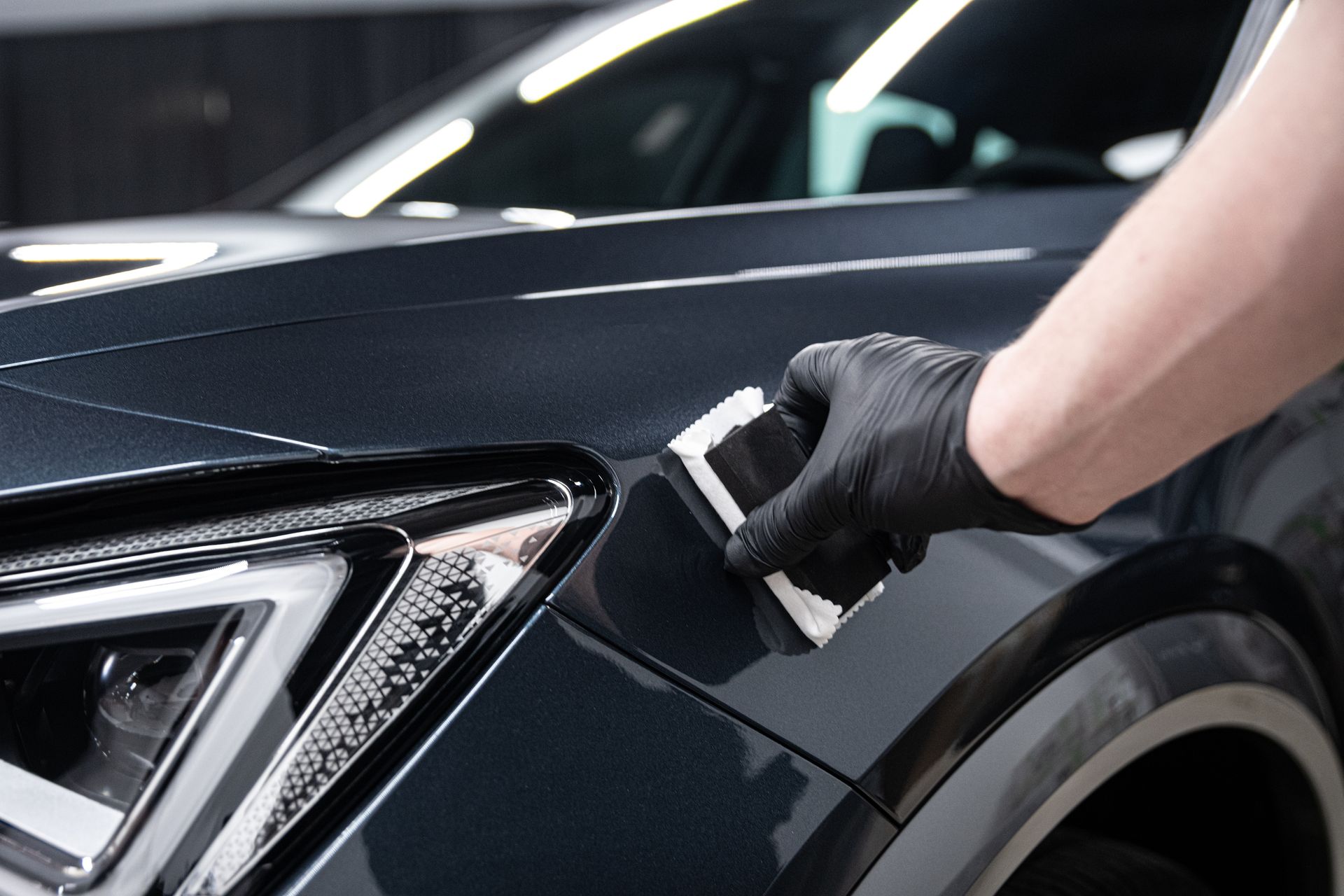
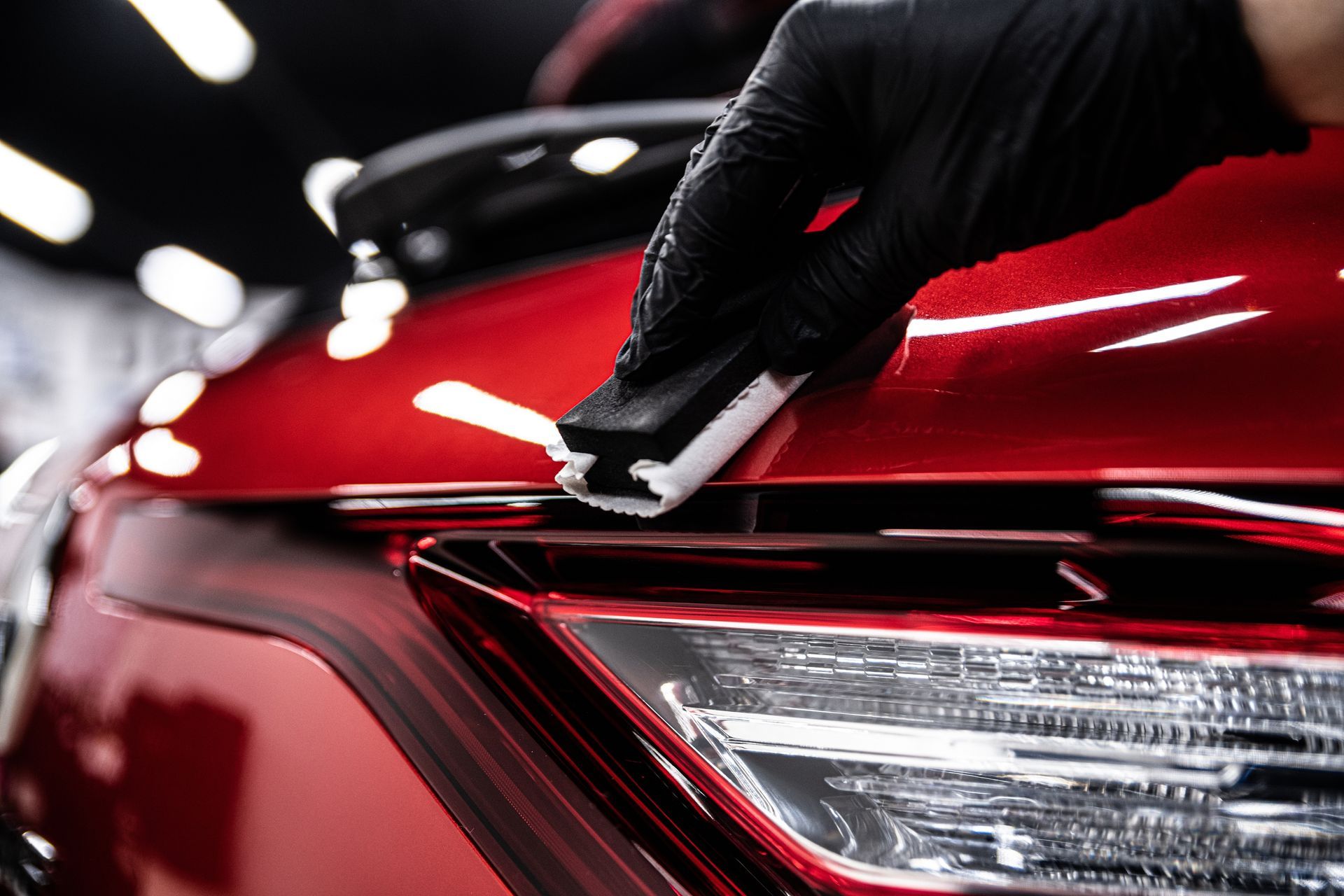
Visual inspection alone is not always enough to catch inconsistencies, which is why trained installers also use gloved-hand touch tests and microfiber texture checks to feel for high spots or uneven buildup before the coating fully cures. Running a clean, lint-free applicator lightly across a freshly coated panel can reveal ridges or tacky spots that are invisible to the eye but would otherwise harden into a rough or uneven finish. This tactile verification step is especially important on larger flat panels like hoods and doors, where excess product can pool slightly if not leveled properly during the initial application.
Final Walkaround and Quality Control Sign-Off
Once every panel has been coated, inspected under multiple lighting conditions, and checked by touch, CCA Detailing performs a final walkaround as a last layer of quality control before the vehicle is released to the customer. This walkaround typically involves a second installer or shop lead reviewing the work independently, since a fresh set of eyes often catches details that the original applicator may have overlooked after working closely on the vehicle for an extended period. Any flagged areas are corrected on the spot, and only once the vehicle passes this final review is it considered ready for pickup, giving customers in El Cajon confidence that the coating has been properly verified from start to finish.
Controlled Application Techniques That Support Full Coverage
The verification process only works as well as the application technique behind it, which is why controlled, deliberate application methods are just as important as the inspection steps that follow. Installers at CCA Detailing use consistent applicator pressure, overlapping patterns, and measured product amounts to avoid the common causes of uneven coverage, such as applying too much product in one area while leaving another section too thin. This controlled approach reduces the burden on the inspection phase by minimizing errors before they happen, rather than relying solely on catching mistakes after the fact. Our ceramic coating installation process uses controlled application techniques and careful panel-by-panel inspection to help ensure consistent coverage across the vehicle’s painted surfaces.
Identifying and Correcting Excess Product Before It Cures
Excess ceramic coating left on a surface can be just as problematic as a missed spot, since it often leads to high spots, hazing, or an inconsistent texture once cured. Installers are trained to recognize the subtle visual cues of excess product, such as a slightly wet or glossy sheen that lingers longer than the surrounding area, and to address it immediately with proper buffing techniques rather than letting it set. Catching and correcting excess product during the application window, before the coating begins to harden, is one of the most time-sensitive parts of the entire verification process and requires both experience and close attention to detail.
Why Verified Coverage Leads to Longer-Lasting Protection
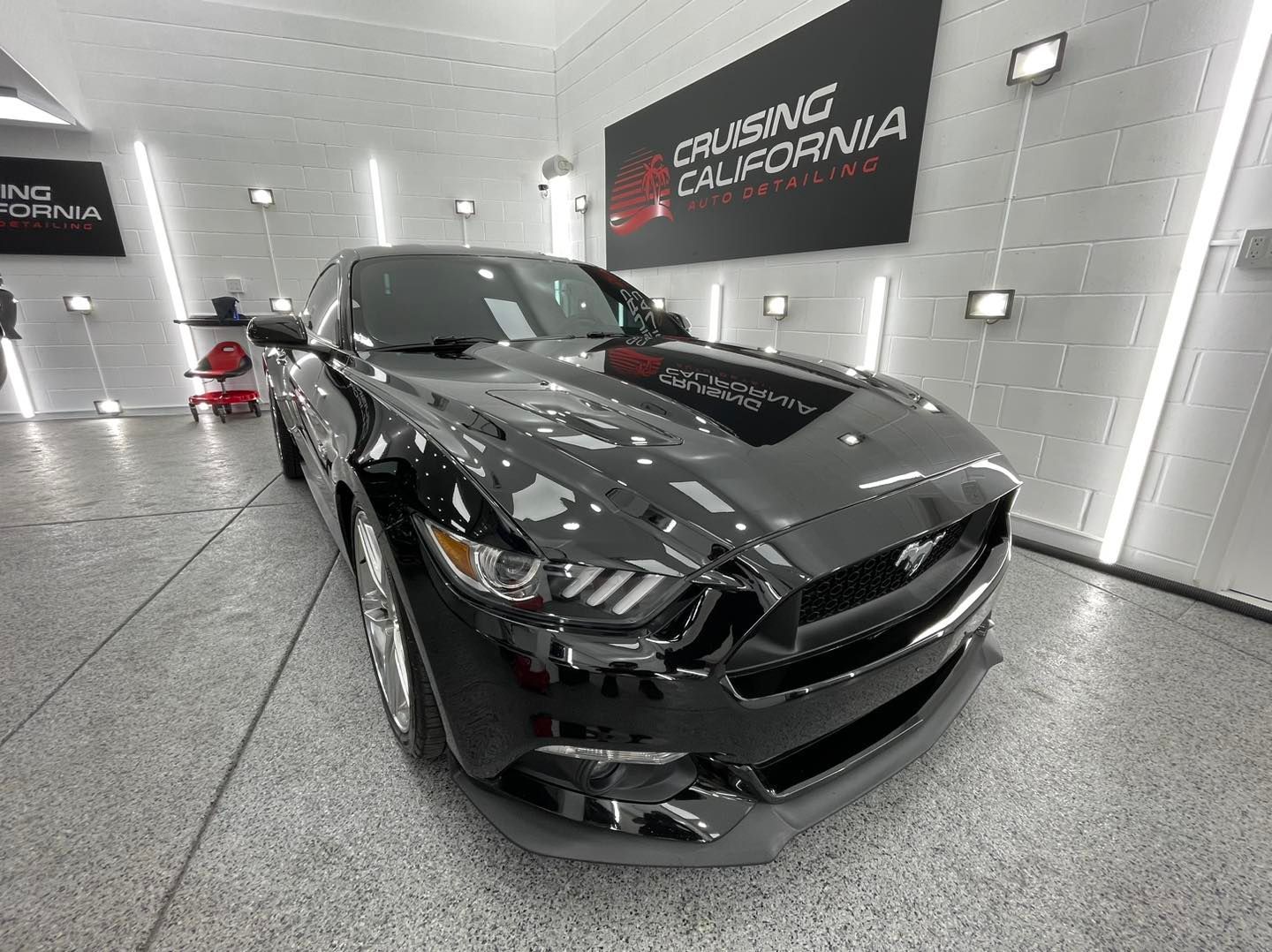
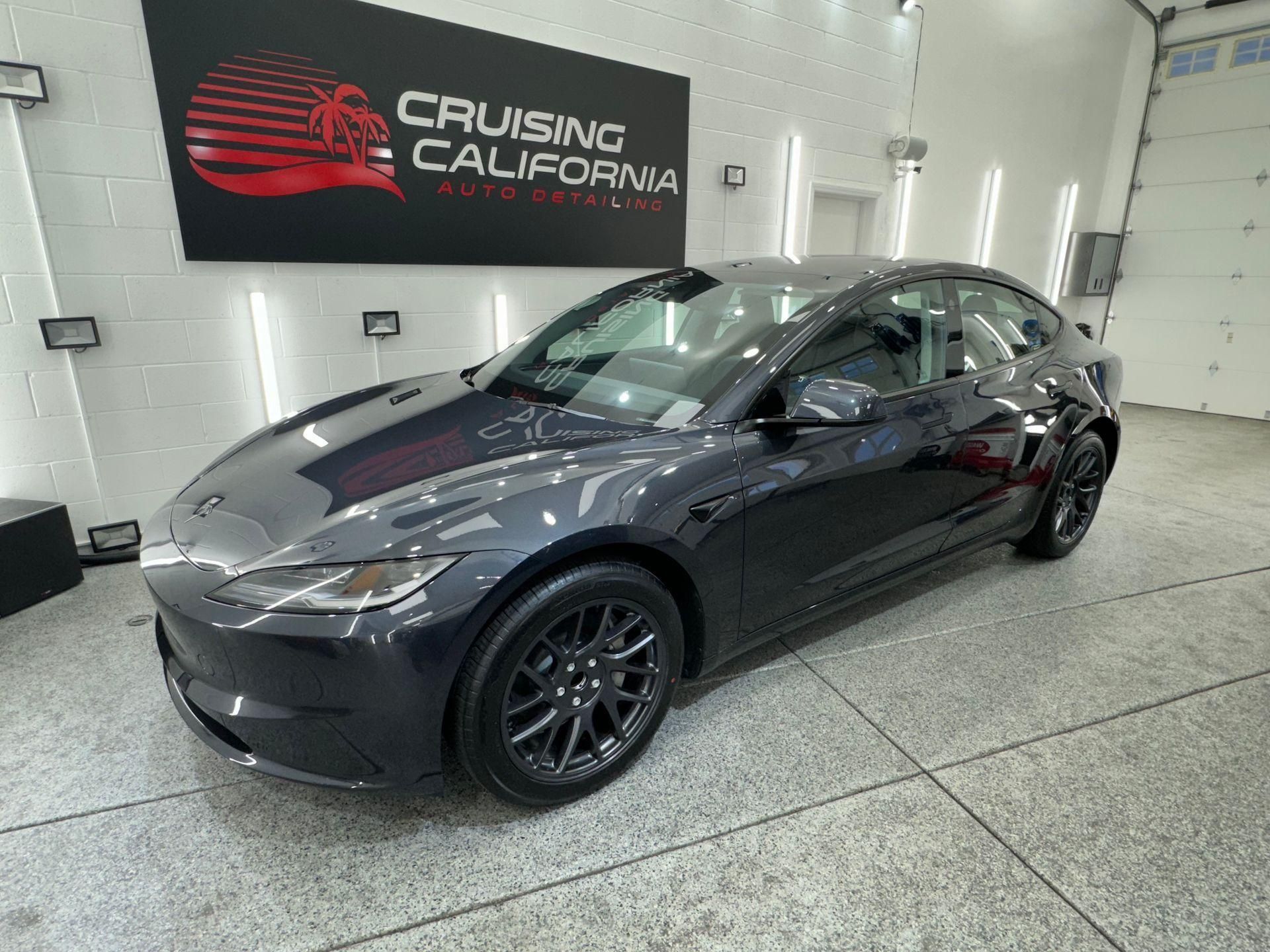
A ceramic coating that has been properly verified for full, even coverage performs significantly better over time than one that was applied without this level of scrutiny, since gaps or thin areas tend to fail first under sun exposure, road grime, and washing. When every panel has been checked under multiple lighting conditions, inspected by touch, and reviewed in a final walkaround, the resulting layer of protection is far more likely to age uniformly across the vehicle. This consistency is what allows CCA Detailing to stand behind the durability and appearance of the coatings applied in their El Cajon shop, since the verification process is built directly into every step of the job rather than treated as an afterthought.
Bringing It All Together for Reliable Results
Confirming full ceramic coating coverage is a process built on repetition, discipline, and attention to detail rather than a single inspection at the end of the job. From the moment a vehicle enters the shop to the final walkaround before pickup, every stage is designed to catch inconsistencies before they become permanent issues in the finish. For vehicle owners in El Cajon, CA, looking for a detailing team that treats coverage verification as a core part of the process rather than an optional extra, CCA Detailing's approach reflects the level of care that goes into every ceramic coating application. Ready for consistent, professionally verified protection?
Contact us today to schedule your ceramic coating service in El Cajon, CA, and give your vehicle a smooth, durable finish with thorough coverage.