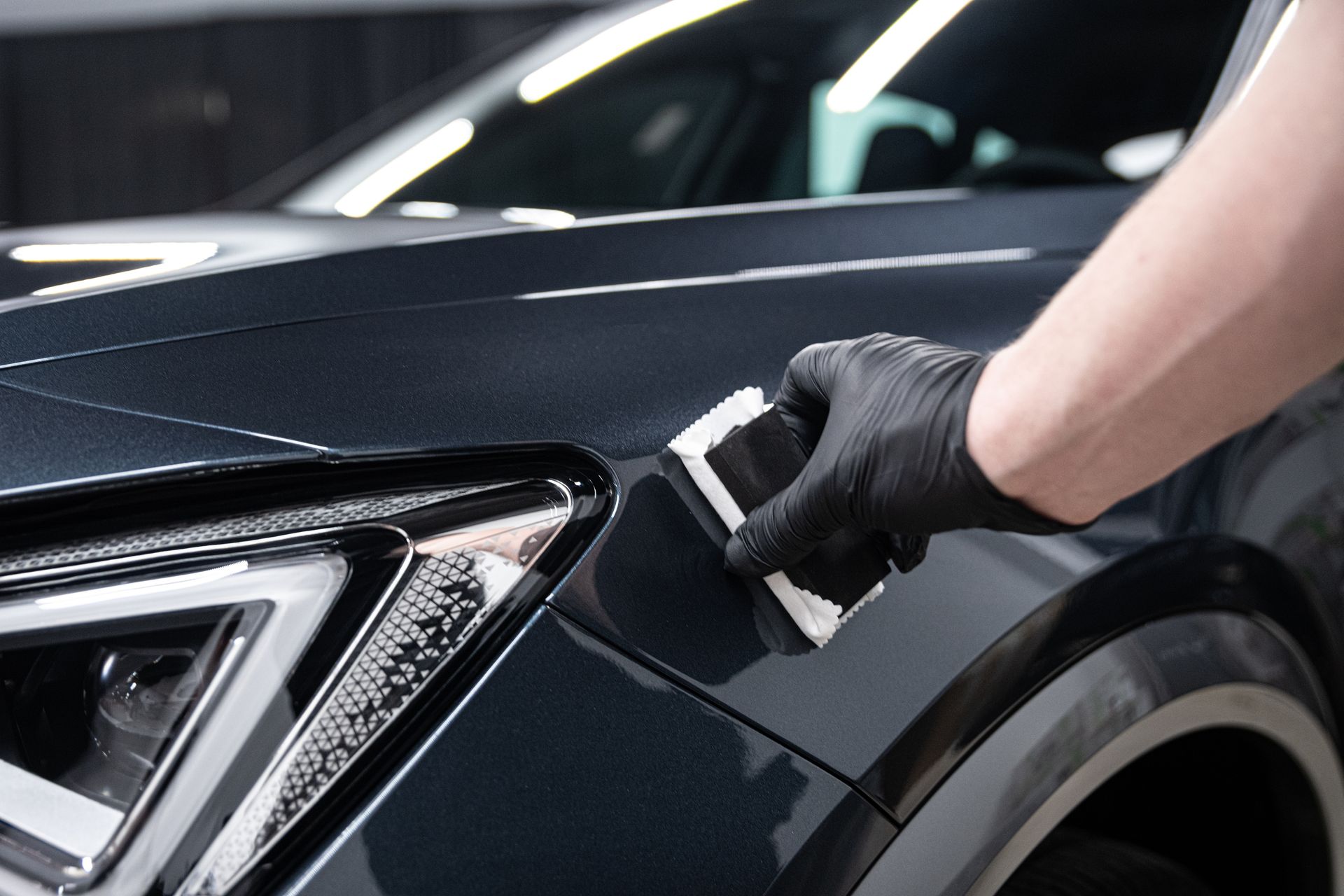
Ceramic coating helps protect a vehicle’s paint by creating a durable surface layer that supports gloss and makes routine cleaning easier. However, there may come a time when the existing coating needs to be removed because of uneven performance, surface concerns, or plans for paint correction and a fresh coating application. Ceramic Coating Removal requires careful preparation and controlled techniques to avoid unnecessary damage to the vehicle’s clear coat. For vehicle owners in El Cajon, CA, understanding this process helps explain why professional assessment, suitable polishing products, and thorough surface inspections matter when preparing a vehicle for its next stage of paint protection.
Why Ceramic Coating May Need to Be Removed
Ceramic coatings are designed to protect automotive paint, but their performance can change depending on product quality, maintenance practices, and exposure to everyday driving conditions. Over time, an owner may notice inconsistent water behavior, reduced ease of cleaning, or areas where the surface no longer performs as expected. These signs do not automatically mean that the coating must be removed, because contamination and maintenance issues can sometimes affect its performance. At CCA Detailing, assessing the coating’s condition helps determine whether removal is necessary, whether the surface requires additional cleaning, or whether another treatment may be more appropriate for the vehicle. A professional assessment helps identify the right approach while supporting the condition of the paint and its future protection.
How Professionals Assess the Existing Ceramic Coating
Before beginning ceramic coating removal, detailers need to understand the condition of both the protective layer and the paint underneath it. A visual inspection, surface evaluation, and review of the vehicle’s previous detailing work can help determine the most appropriate approach. This assessment is particularly important because different vehicles may have different paint conditions, coating histories, and levels of surface wear. By identifying these factors before polishing begins, professionals can select suitable products and equipment while limiting unnecessary work on the vehicle’s finish.
Inspecting the Coating’s Condition
The first stage involves examining the existing coating to identify changes in its performance and appearance. Professionals may look for inconsistent water beading, uneven surface behavior, visible residue, or areas where the protective layer appears to have deteriorated. These observations provide useful information, but they must be considered alongside the vehicle’s cleanliness because dirt, oils, and mineral deposits can affect how the surface behaves. A careful inspection helps establish whether the coating itself requires removal or whether surface contamination may be contributing to the problem.
Evaluating the Vehicle’s Paintwork
The condition of the paint underneath the coating is another important consideration before any polishing work begins. Detailers inspect the finish for swirl marks, scratches, oxidation, previous repairs, and differences in appearance between individual panels. Where appropriate, paint thickness measurements can provide additional information about the available paint material, although readings must be interpreted in context. Understanding these conditions helps professionals choose a polishing method that addresses the existing coating without removing more of the vehicle’s clear coat than necessary.


Identifying Areas That Need Special Attention
Some vehicle panels require additional care because their shape, condition, or repair history can influence the polishing process. Curved surfaces, sharp body lines, edges, and previously repainted sections may respond differently to machine polishing than broad, uniform panels. Detailers consider these differences when selecting polishing pads, adjusting their technique, and deciding how much work each area needs. This panel-by-panel approach supports more consistent results while reducing the risk of excessive abrasion in areas where the paint may be more vulnerable.
Preparing the Vehicle for Ceramic Coating Removal
Proper preparation creates a clean working surface and reduces the chance of introducing additional imperfections during polishing. The vehicle is washed thoroughly to remove loose dirt and road grime, while suitable cleaning methods may be used to address bonded contaminants when necessary. After washing, the paint is dried and inspected under appropriate lighting so that existing marks and surface conditions are easier to identify. At CCA Detailing, proper vehicle preparation is an important step in ceramic coating removal, helping ensure the paint is clean and ready for careful polishing. A clean workspace, suitable lighting, and organized equipment also help detailers monitor their progress and maintain control throughout the ceramic coating removal process.
How Ceramic Coating Is Removed Safely
Ceramic coating removal commonly involves controlled mechanical polishing, with the exact method depending on the coating’s condition, the paintwork, and the intended result. Because ceramic coatings are designed to bond to automotive surfaces, ordinary washing generally cannot remove an established coating completely. Professionals select appropriate polishing compounds, pads, and machine equipment to work across the surface in a measured way. The aim is to remove the existing protective layer as evenly as practical while preserving the underlying paint, rather than using unnecessarily aggressive methods that may create additional correction work.
Selecting Suitable Polishing Compounds and Equipment
The choice of polishing compound and equipment influences how effectively the existing coating can be removed and how the paint responds to the process. Detailers consider the coating’s condition, the type of paint, and the amount of correction that may be appropriate before selecting a combination of products and pads. A less aggressive polishing system may be suitable in some situations, while other surfaces may require a different approach to achieve the intended result. Selecting products carefully helps balance effective coating removal with the need to protect the vehicle’s existing finish.
Using Controlled Polishing Techniques
During polishing, professionals generally work in manageable sections instead of attempting to treat the entire vehicle at once. They control machine movement, pressure, working time, and product application according to the panel’s condition and the equipment being used. This measured process helps distribute the polishing action consistently and allows the detailer to assess each section before moving forward. Excessive pressure, unnecessary repeated passes, or poorly controlled machine use can increase the risk of paint damage, which is why a controlled technique is central to safe ceramic coating removal.
Monitoring the Surface During Removal
Regular inspection helps professionals determine whether the polishing process is achieving the desired result without unnecessarily affecting the paint. After working on a section, the detailer can examine the finish under suitable lighting and check for remaining coating-related irregularities, polishing marks, or other visible concerns. Additional polishing should be based on the condition of the surface rather than the assumption that every area needs the same amount of work. This approach is especially important when the clear coat is limited, or the vehicle has a history of previous paint correction.
Inspecting the Paint After Ceramic Coating Removal
Once the polishing stage is complete, the paint needs to be examined to evaluate the condition of the finish and identify any remaining concerns. Professionals inspect the panels under suitable lighting and may use appropriate surface-cleaning methods to remove polishing oils or residue that could hide imperfections. At CCA Detailing, careful paint inspection is an important part of ceramic coating removal, helping assess the finish and determine whether additional preparation is needed before applying new protection. This allows the result to be evaluated accurately and helps avoid unnecessary polishing on areas that already meet the required standard, preserving the paint for future protection.
Preparing the Surface for Paint Correction or a New Ceramic Coating
After ceramic coating removal, the vehicle may need additional preparation depending on the condition of its paint and the owner’s goals. Paint correction is a separate process that addresses suitable surface imperfections, such as certain swirl marks and light scratches, when the paint condition allows it. Removing an existing coating does not automatically mean that every imperfection should be corrected, because the amount of available clear coat must be considered. Before a new ceramic coating is applied, the surface should be prepared according to the coating manufacturer’s requirements so that the product can bond properly and deliver the intended finish.

When Should Ceramic Coating Be Removed in El Cajon, CA?
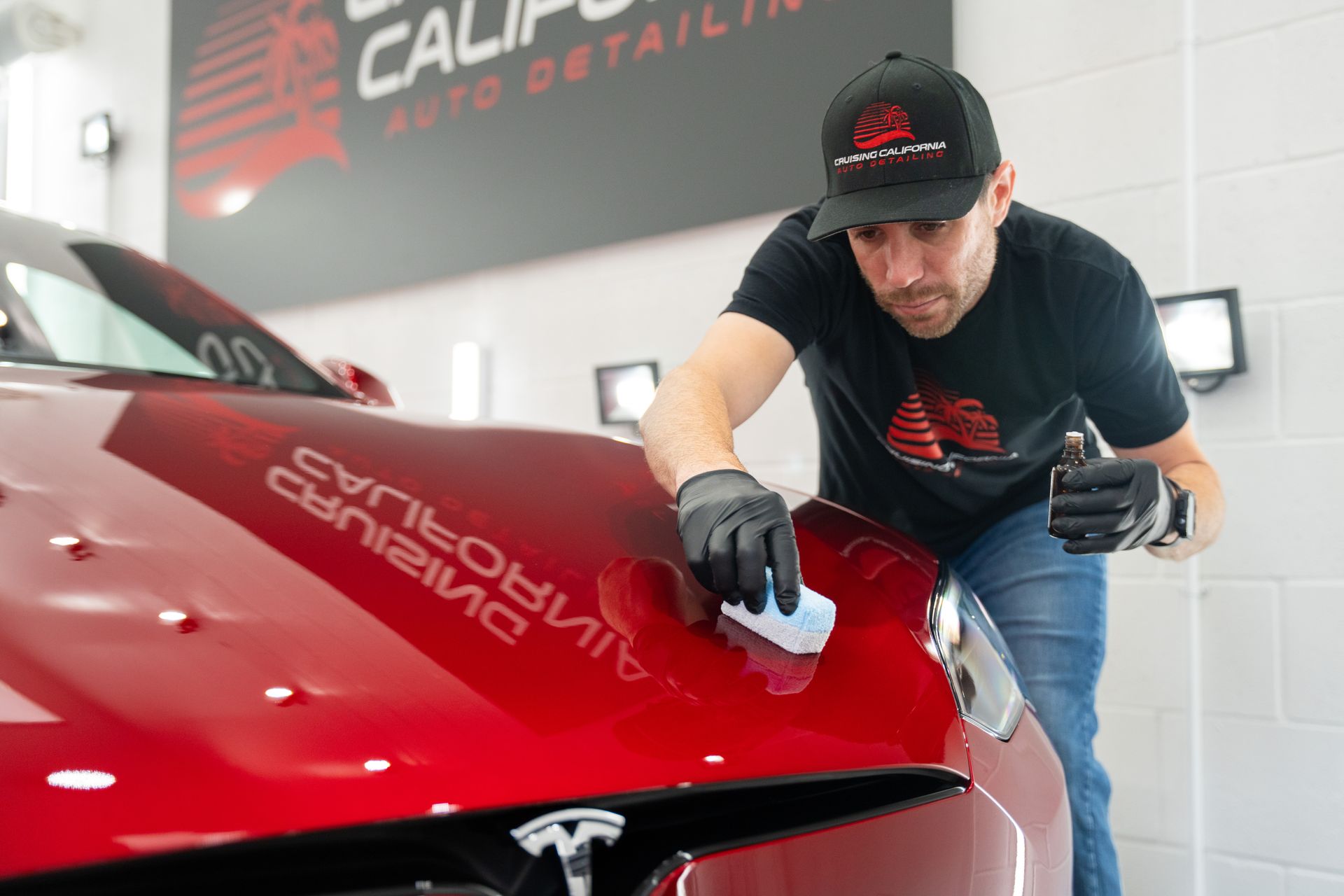
Vehicle owners in El Cajon, CA, may consider professional ceramic coating removal when an existing coating needs to be replaced, or the paint requires preparation for further detailing. The process involves more than choosing a polishing product, as the coating’s condition, paint history, panel characteristics, and desired outcome all influence the appropriate method. CCA Detailing offers ceramic coating services, making its ceramic coating webpage a relevant starting point for owners considering renewed paint protection. A professional evaluation can help establish whether removal is necessary and what preparation may be appropriate before another protective layer is applied.
Final Thoughts on Safe Ceramic Coating Removal
Safe ceramic coating removal depends on careful assessment, thorough preparation, controlled polishing, and repeated inspection of the vehicle’s paint. The process should focus on removing the existing protective layer while avoiding unnecessary abrasion of the clear coat. Selecting suitable compounds and equipment, paying attention to vulnerable panels, and evaluating the surface after polishing all contribute to a more controlled result. For vehicle owners in El Cajon, CA, understanding these steps can make it easier to plan paint preparation and determine whether a new ceramic coating is appropriate for their vehicle’s condition and protection goals. For safe ceramic coating removal and professional paint preparation in El Cajon, CA,
contact us to discuss your vehicle’s needs and the right approach for its finish.