Understanding the Lifespan of Ceramic Coating in Real Conditions
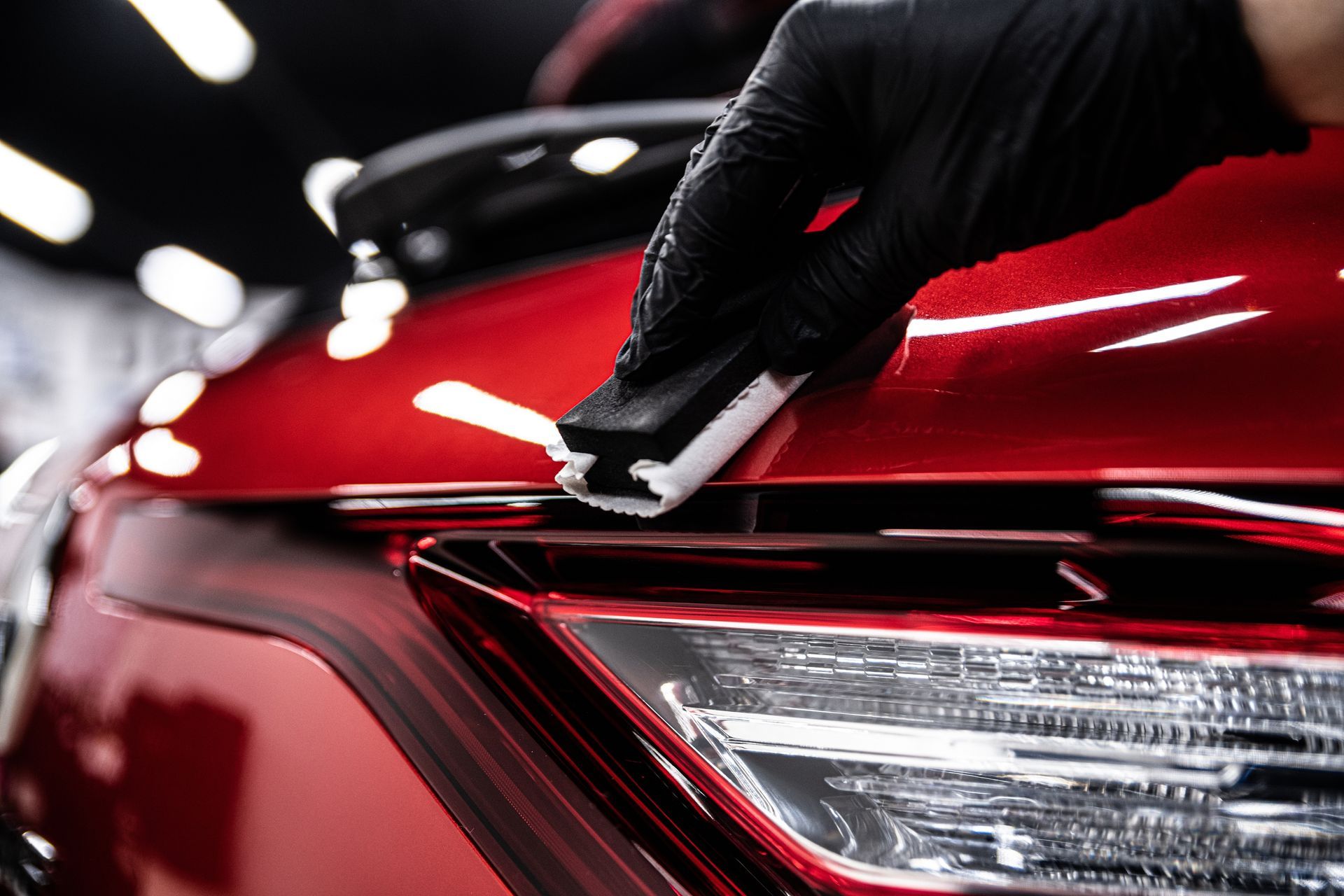
Ceramic coating has become one of the most reliable ways to protect a vehicle’s exterior from the daily wear of the environment. Yet many drivers in El Cajon still wonder how long the coating truly lasts once exposed to constant sun, dust, and routine driving conditions. The reality is that ceramic coating is durable but its lifespan depends heavily on how the vehicle is maintained, where it is parked, and the quality of the product applied. At
CCA Detailing, the goal is to help car owners make informed choices so they know exactly what to expect from their coating over time and how to preserve that fresh, glossy finish for years.
How Environmental Exposure in El Cajon Affects Coating Lifespan
The environment plays a major role in determining how long ceramic coating performs at its best. El Cajon’s weather, while beautiful, presents challenges that can shorten a coating’s durability if not properly cared for. To understand realistic expectations, it’s important to consider how UV exposure, heat, dust, and moisture interact with a coated surface.
Constant Sunlight and UV Intensity
El Cajon receives significantly more sunshine and UV exposure compared to many other parts of California. This constant sunlight gradually affects the top layers of the coating by pushing its UV resistance to the limit. While ceramic coating offers strong defense, the relentless heat slowly reduces hydrophobic behavior and gloss if the vehicle is constantly outdoors. This is why regular maintenance and routine inspections are critical for preserving long-term performance.
Heat, Dust, and Outdoor Parking
Daily temperature fluctuations and the warm, dry climate contribute to a faster breakdown of contaminants on the paint. Dust settles more frequently on vehicles, especially in open parking spaces or areas near construction or open fields. Dust accumulation reduces slickness and forces the coating to work harder to repel debris If a vehicle sits in direct heat, the coating’s chemical structure experiences more expansion and contraction cycles, which can cause hydrophobic behavior to fade faster.
Marine Air and Pollution Factors
While El Cajon is not directly on the coastline, coastal air still travels inland and carries salt particles that settle on exterior surfaces. Salt residue slowly reduces the coating’s clarity if not washed off consistently. Along with this, light pollution and general contaminants from traffic gradually cling to the coating, impacting shine. With proper washing and maintenance, however, these effects can be minimized, allowing the coating to maintain stronger durability over time.
The Role of Washing Habits in Coating Longevity
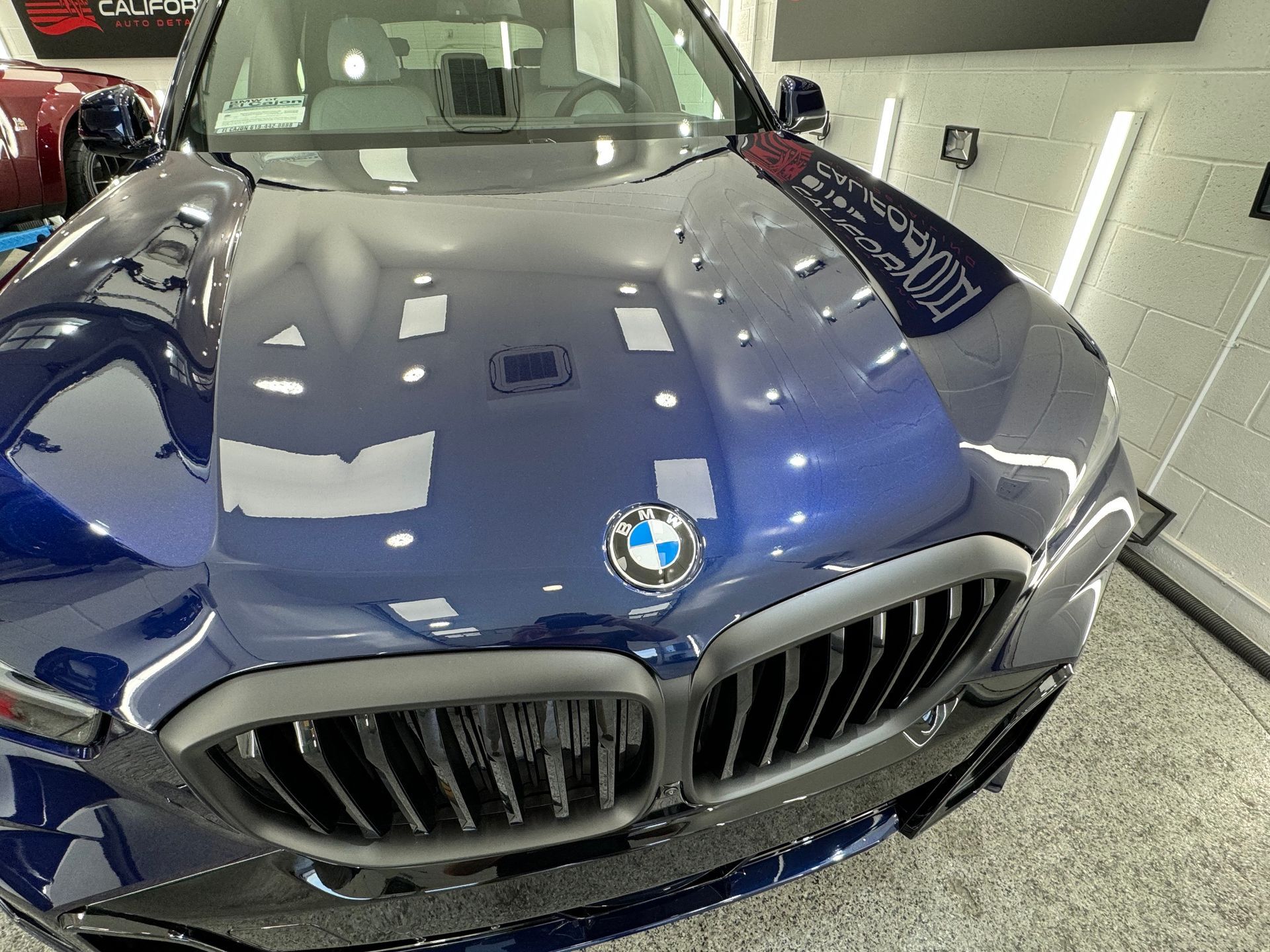
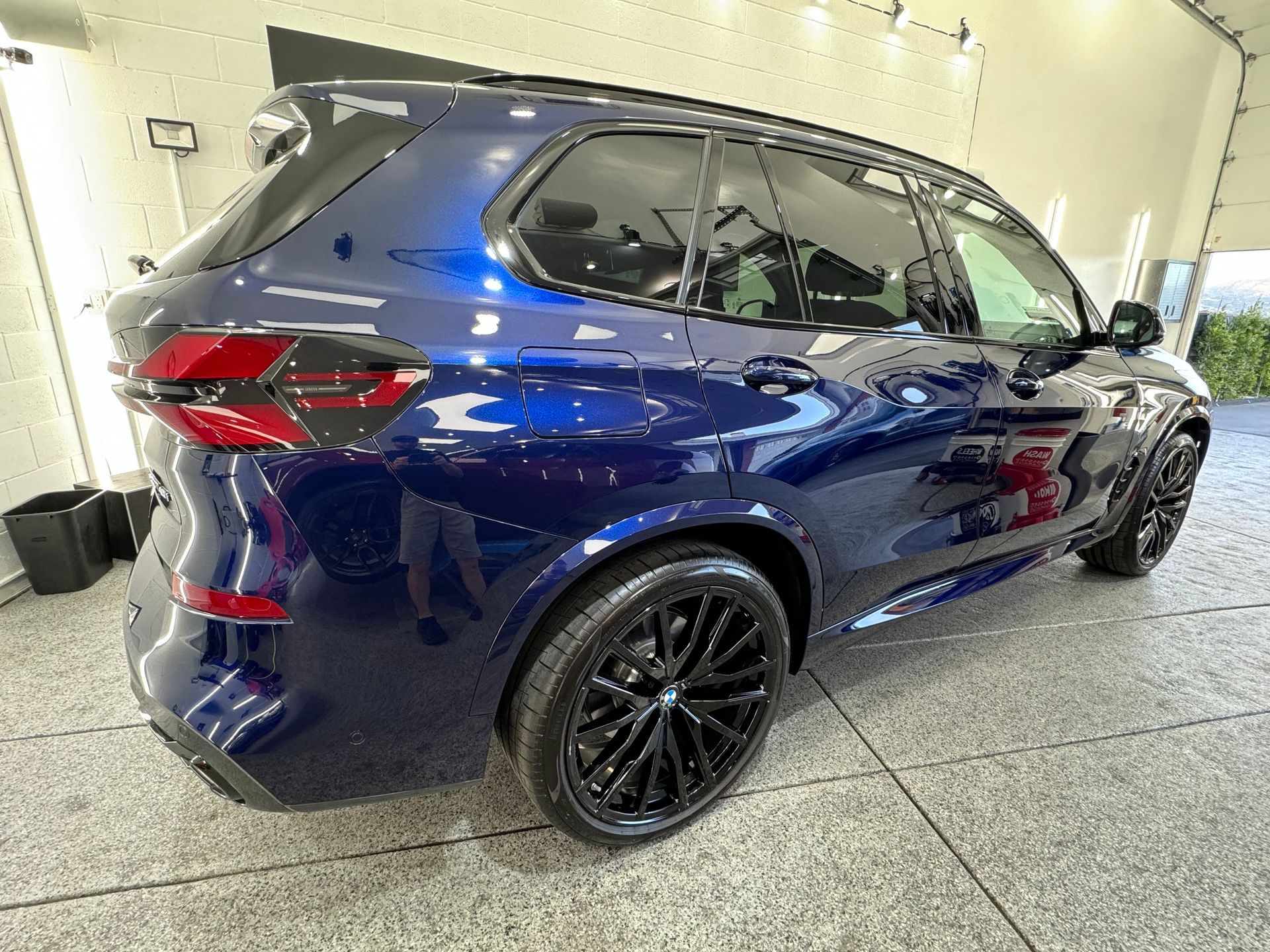
The way a vehicle is washed has one of the most significant impacts on coating lifespan. Even the most premium coatings can wear out faster if washed with the wrong methods or cleaning products. Good wash habits play a direct role in keeping the coating operating at full strength.
How Proper Washing Extends the Coating’s Life
A coated vehicle benefits most from a gentle hand wash routine because it prevents unnecessary friction on the surface. When a surface is washed with pH-neutral soaps and soft mitts, the coating remains smooth and hydrophobic for a longer period. This reduces the risk of micro-marring and keeps the surface’s glossy look intact. Washing regularly also prevents contaminants from bonding to the surface, which is one of the main reasons coatings degrade prematurely.
The Damage Caused by Harsh Chemicals and Automatic Car Washes
Automatic car washes may be convenient, but they are extremely harsh on the coating. Their spinning brushes cause fine scratches that break down the coating’s slickness and shorten its effective life. Harsh soaps or degreasers also strip the coating’s top layers and diminish the hydrophobic effect. Once the coating begins to lose its ability to repel water, contaminants stick more easily and degrade the finish even further. This cycle significantly reduces the expected coating lifespan, especially in a warm, dusty area like El Cajon.
Recommended Maintenance Wash Frequency
To maintain long-term performance, coated vehicles in El Cajon should be washed every one to two weeks. This routine keeps dust from embedding into the coating and prevents pollutants from sitting on the surface too long. A consistent wash schedule also restores hydrophobic behavior and preserves the coating’s protective qualities. Drivers who stay loyal to professional maintenance washes from CCA Detailing will see much longer-lasting results compared to sporadic or improper washing habits.
Why Parking Conditions Matter for Coating Durability
Where a vehicle is parked daily plays a major role in determining how long
ceramic coating performs at its peak. Vehicles exposed to the outdoors experience more environmental stress compared to those parked in garages or shaded areas.
Indoor vs Outdoor Parking Impact
Parking a coated vehicle indoors helps preserve the coating significantly longer. A garage protects the vehicle from UV rays, dust storms, bird droppings, and moisture. Outdoor parking, especially in direct sun, exposes the coating to constant heat cycles that accelerate breakdown. Vehicles left outside for long hours will lose hydrophobic behavior sooner compared to those stored indoors, even with the same coating quality.
The Effects of Tree Sap, Pollen, and Bird Droppings
Tree sap, pollen, and bird droppings are all acidic contaminants that can reduce coating lifespan if left on the surface for too long. Even though ceramic coating offers a barrier, these substances can etch into the clear coat over time if not cleaned promptly. The coating becomes less effective when contaminants bond repeatedly to the surface, especially during spring and summer months in El Cajon.
Overnight Dew, Moisture, and Oxidation Risks
Moisture plays an important role in coating durability. Overnight dew contains minerals and pollutants that dry on the surface when exposed to morning sunlight. When this cycle repeats daily, it slowly reduces gloss and clarity. Vehicles parked outdoors also face more oxidation stress, which challenges the coating’s protective layers.
Professional Ceramic Coating vs DIY Products
Not all ceramic coatings are the same. The difference between professional application and DIY solutions significantly affects coating lifespan and overall performance. At CCA Detailing, customers receive professional-grade coatings that are engineered for long-term durability.
Differences in Material Strength and Chemistry
Professional coatings contain higher-grade ceramic particles, advanced resins, and more durable chemical structures than DIY kits. This superior chemistry ensures that the coating bonds more deeply to the surface and withstands real-world stress with greater resilience. DIY coatings, on the other hand, focus on ease of use, which reduces their hardness, resistance, and longevity.
Application Quality and Surface Preparation
Surface preparation is one of the most important factors in determining how long ceramic coating lasts. Professionals perform decontamination, paint correction, and controlled application to ensure the coating bonds properly. DIY applications often skip these steps or perform them incorrectly, leading to uneven coverage and a shorter lifespan. A coating installed at CCA Detailing has a much higher chance of lasting several years because of the expertise involved in the preparation process.
Why DIY Coatings Wear Out Faster
DIY coatings are typically weaker, thinner, and less resistant to heat, UV exposure, and long-term wear. This means their hydrophobic properties degrade quickly and require frequent reapplication. They also struggle to resist environmental conditions in sunny areas like El Cajon, making professional coatings the better investment for long-term protection.
Common Misconceptions About Coating Longevity
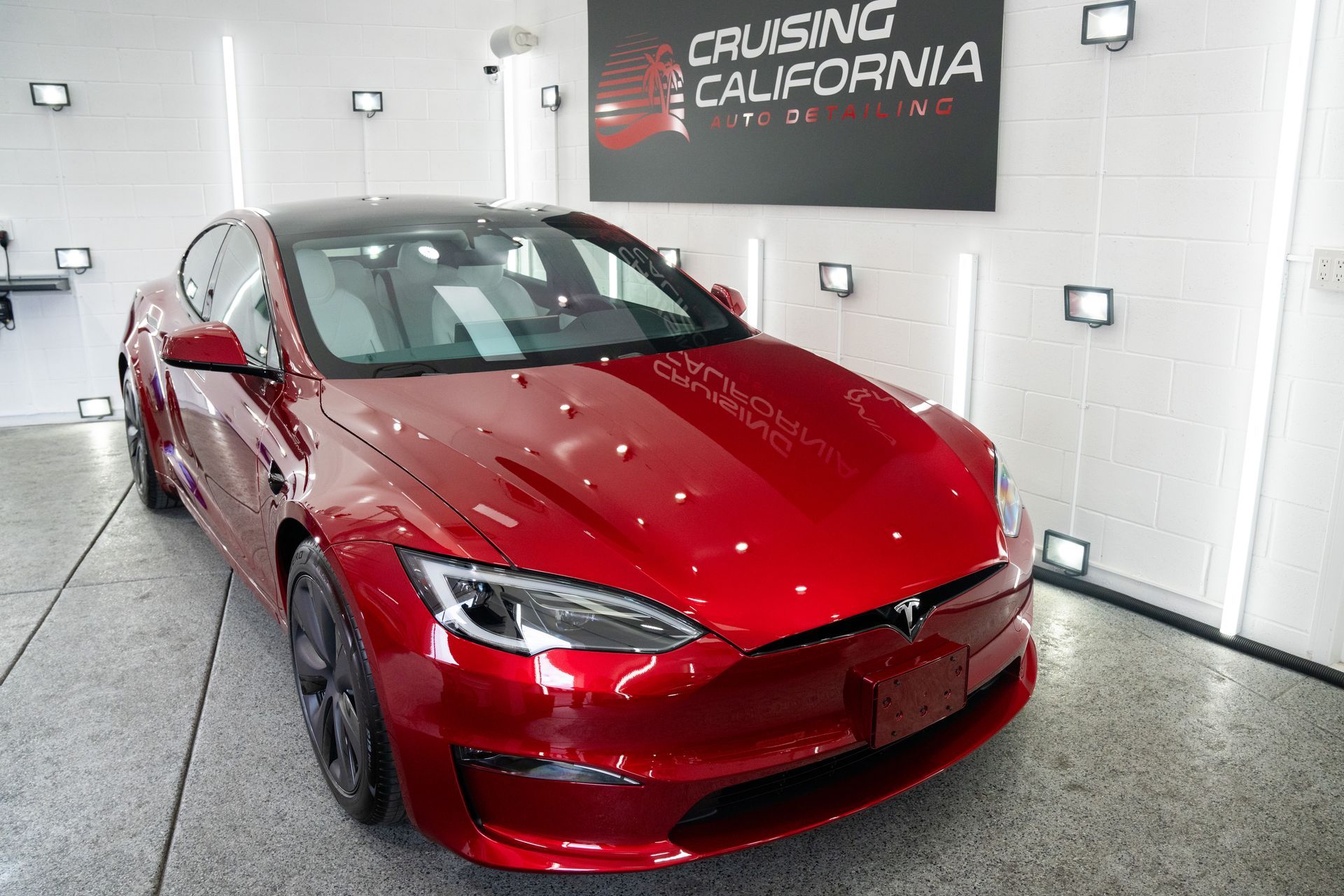
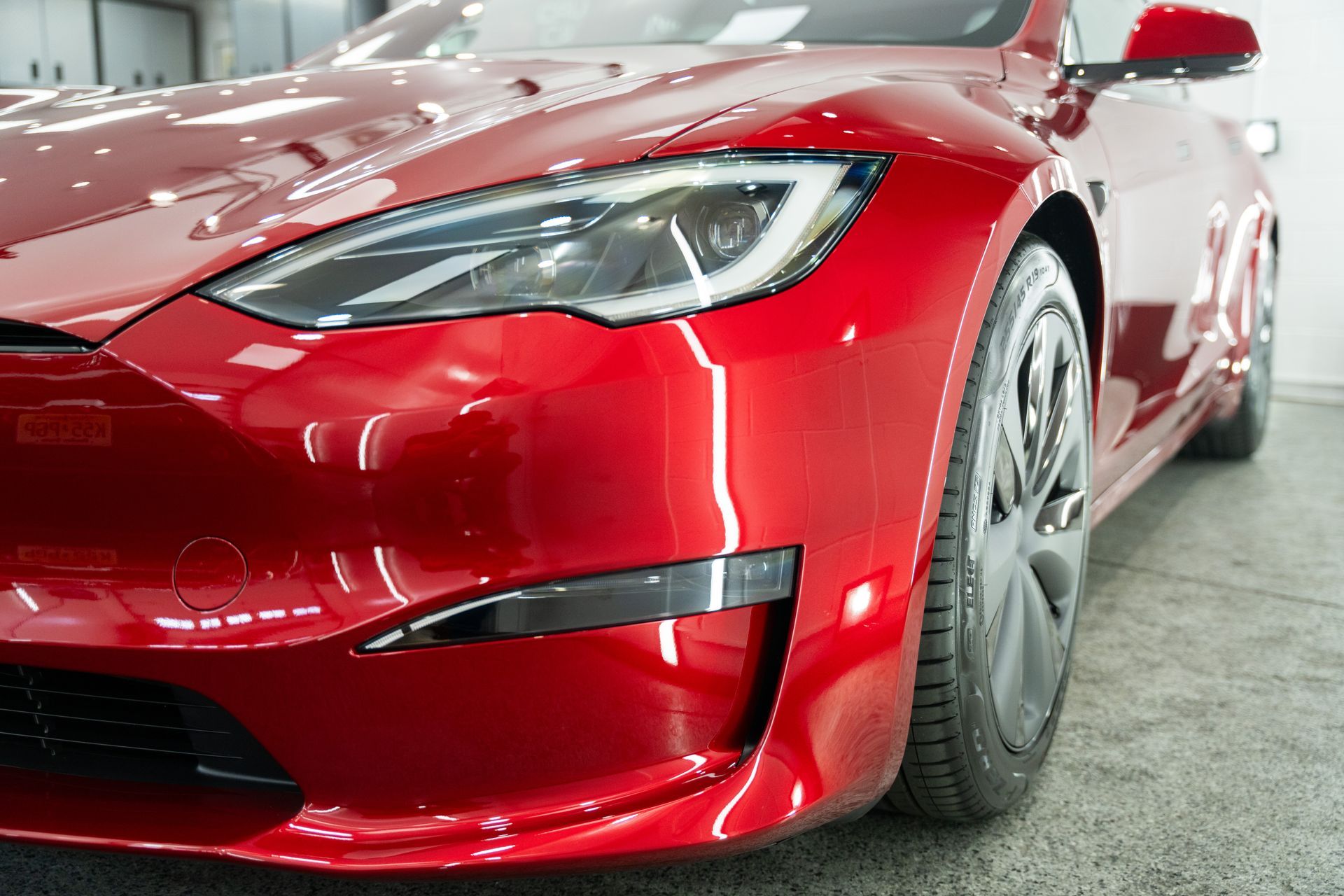
Many drivers expect ceramic coatings to be permanent solutions, but real-world performance depends on care and environmental factors. Clarifying misconceptions helps drivers set realistic expectations.
The Myth of “Permanent Protection”
Ceramic coatings are durable but not permanent. They still require proper washing, periodic inspections, and maintenance boosters. Without consistent care, even the highest-quality coating will lose performance over time and require a refresh.
Understanding the Role of Maintenance
The most common misconception is that coatings eliminate the need for maintenance. In reality, maintenance is the key to extending coating lifespan and preserving high-gloss performance. Coatings should be viewed as protection that requires partnership with routine care.
How to Extend Ceramic Coating Lifespan in Real Conditions
Drivers in El Cajon can significantly extend their coating’s longevity by following a consistent maintenance routine.
Routine Maintenance and Inspection
Routine inspections help identify reduced hydrophobic behavior or areas where contaminants may be affecting the surface. Early intervention prevents long-term damage and keeps the coating performing like new.
Scheduled Booster Applications
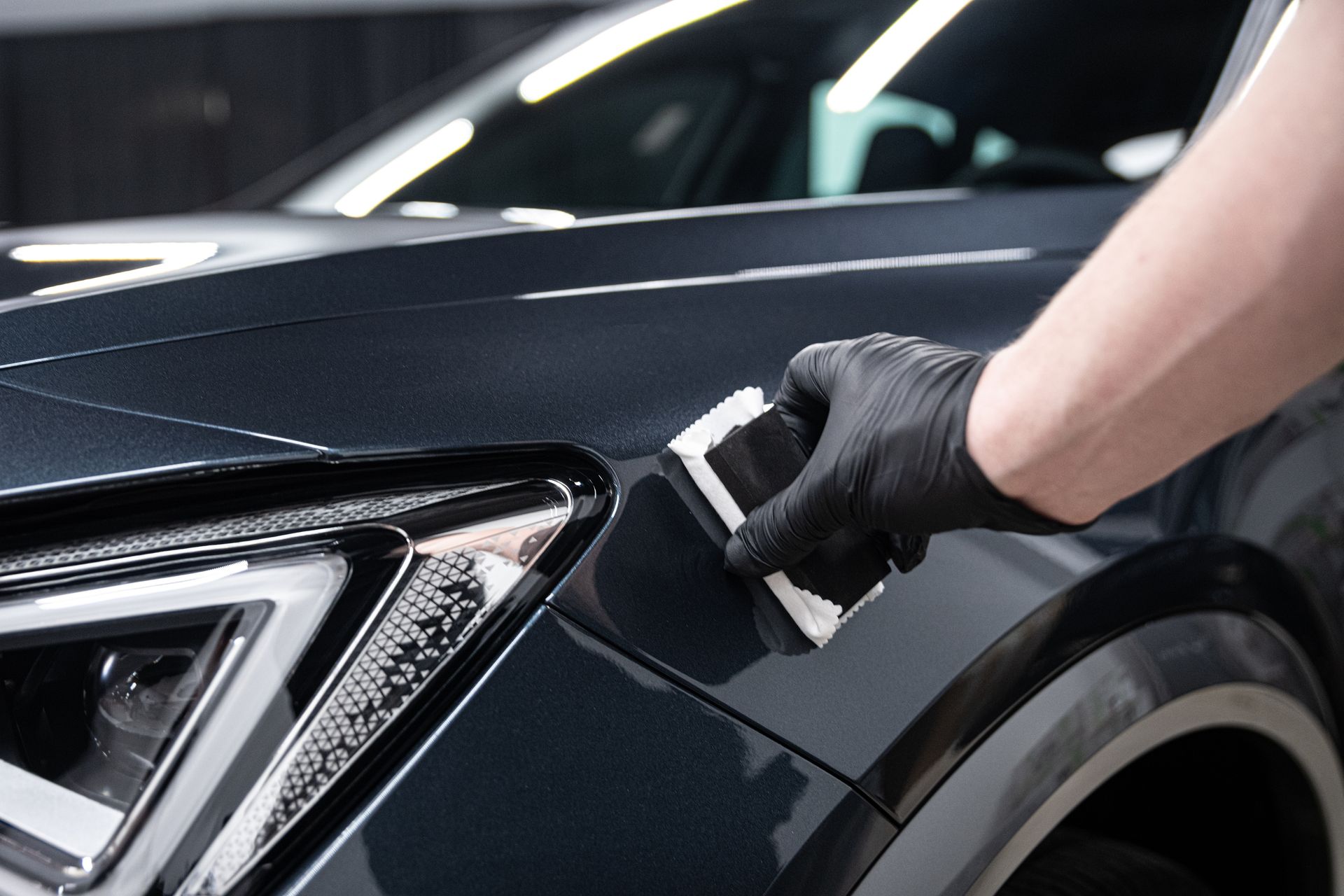
Coating boosters restore hydrophobicity and refresh the coating’s top layer. Applying them periodically strengthens the coating and extends its durability, especially in warm climates.
Pairing Ceramic Coating with PPF
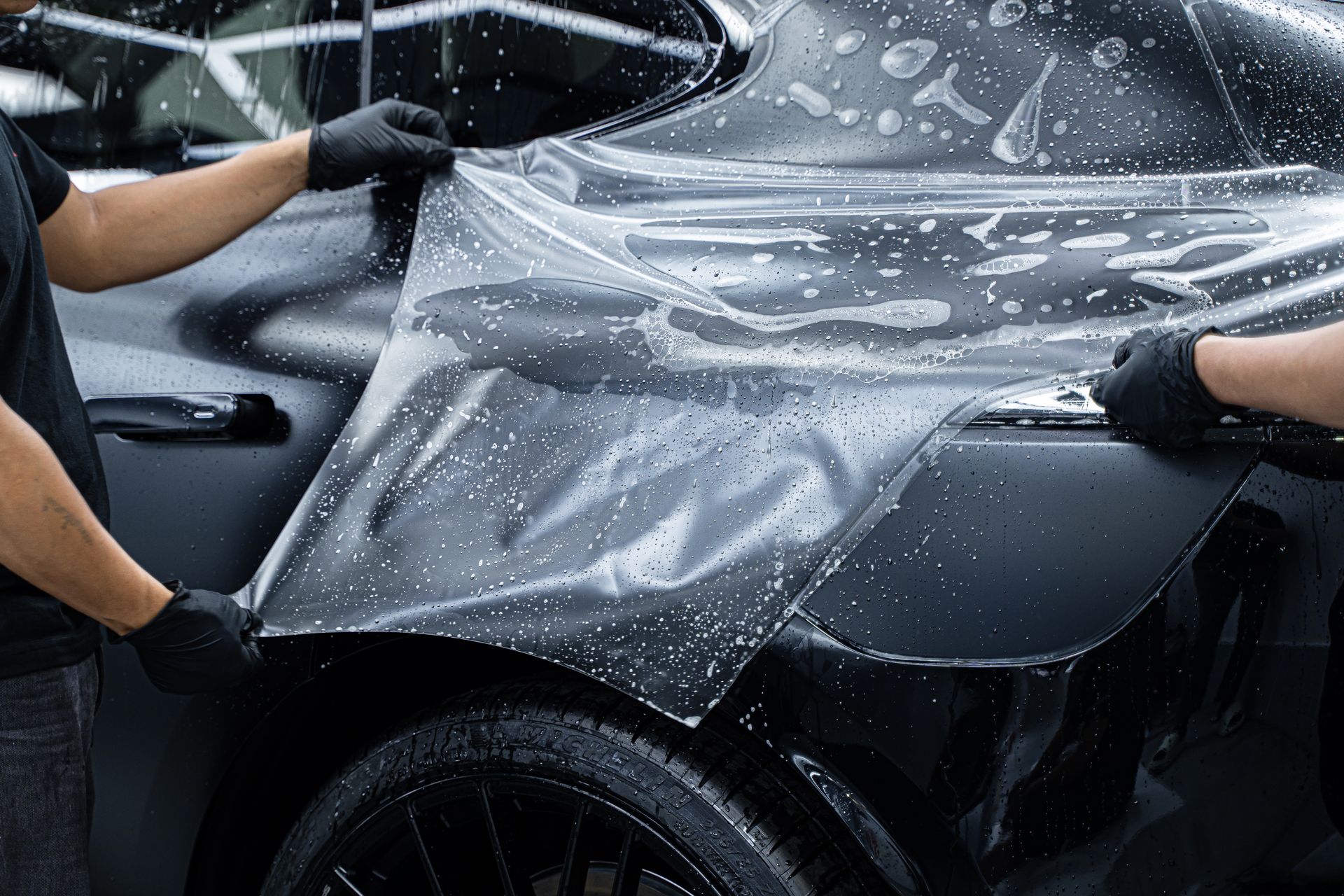
For maximum longevity, pairing ceramic coating with paint protection film is highly beneficial. PPF absorbs physical impact, while the ceramic coating reinforces shine and ease of cleaning. Together, they significantly increase total protection lifespan.
Signs Your Ceramic Coating Needs Refreshing
Over time, every coating begins to show signs of natural wear. Recognizing the early indicators ensures timely maintenance.
Reduced Hydrophobic Behavior
When water stops beading or sheeting smoothly, it indicates the coating’s top layer is wearing down. This is one of the earliest and easiest signs to recognize.
Dullness or Loss of Gloss
If the vehicle appears less reflective or lacks the deep gloss it once had, the coating may need a boost or reapplication.
Increased Contaminant Bonding
If contaminants stick more easily to the surface, it means the protective slickness is diminishing and requires attention.
When to Reapply or Upgrade Your Coating
Eventually, all coatings need refreshing or replacement depending on exposure and use.
Factors That Determine Reapplication Timing
Driving habits, weather exposure, mileage, and maintenance frequency all influence how soon reapplication is necessary. Vehicles parked outdoors in El Cajon typically need earlier refreshes than those stored in garages.
Benefits of Upgrading to a Higher-Quality Coating
When upgrading, drivers benefit from stronger UV resistance, better hydrophobic behavior, and a longer lifespan overall. Professional-grade coatings from CCA Detailing are designed for superior real-world performance.
Ideal Timing for a Re-Coating Service
The ideal timing varies, but many vehicles benefit from recoating every two to five years depending on conditions. Regular evaluations help determine the best schedule for each driver.
Final Thoughts on Ceramic Coating Longevity in El Cajon
Understanding coating lifespan is essential for maintaining long-term vehicle protection. El Cajon’s climate, washing habits, and parking conditions all influence how long ceramic coating performs at its best. With the right maintenance and professional care, drivers can enjoy years of shine, gloss, and durability. CCA Detailing helps ensure every vehicle owner receives long-lasting, high-quality ceramic coating performance tailored to real-world conditions.
Contact us today to get expert guidance and premium detailing solutions tailored to your needs.