Why Can Ceramic-Coated Paint Still Feel Rough to the Touch?
A ceramic-coated vehicle is expected to maintain a glossy appearance, enhanced protection, and a smooth paint finish. However, some vehicle owners notice that their car's exterior starts feeling rough even after professional ceramic coating application. This can be confusing because the coating is designed to make the surface more resistant to dirt, water, and environmental contaminants. If you are wondering why ceramic coating feels rough, several factors may be responsible, including bonded surface contaminants, road grime, industrial fallout, mineral deposits, and improper washing techniques. Although ceramic coating makes vehicle maintenance easier, it does not completely prevent contaminants from accumulating on the exterior. For vehicle owners in El Cajon, CA, understanding these causes can help identify surface problems, maintain the protective layer, and determine when professional detailing is necessary to restore a smoother finish.
Why Does Ceramic Coating Feel Rough Even After Application?
Ceramic coating creates a protective layer that bonds with the vehicle's painted surface, providing enhanced gloss and hydrophobic properties that make regular cleaning easier. However, everyday driving exposes the exterior to airborne particles, road debris, and environmental pollutants that can gradually accumulate on the coating. These contaminants may attach to the surface and create a rough texture even when the vehicle still looks shiny and well maintained. A rough-feeling finish does not automatically indicate that the ceramic coating has failed or worn away. Instead, it may mean that the protective surface has collected contaminants that ordinary washing cannot completely remove. Understanding the possible sources of contamination helps vehicle owners determine whether their paint needs routine maintenance or professional decontamination to restore its smooth feel.
Bonded Surface Contaminants on Ceramic-Coated Paint
Bonded surface contaminants are among the common reasons ceramic-coated paint can lose its smooth texture over time. Tiny particles from brake dust, road debris, airborne dirt, and other environmental sources can settle on the vehicle and become attached to its exterior. Although ceramic coating makes it harder for contaminants to stick, it cannot prevent every particle from contacting the painted surface. Some deposits may remain even after an ordinary wash because they are more firmly attached than loose dirt and dust. When these particles accumulate, the paint may feel gritty or uneven when touched gently. This does not necessarily mean that the protective layer is damaged or needs replacement. Instead, the surface may require an appropriate decontamination process to remove bonded particles without unnecessary scrubbing or affecting the existing coating.
Road Grime and Industrial Fallout
Vehicles travelling through El Cajon, CA, encounter different environmental conditions that can affect their exterior surfaces. Road grime, airborne dust, industrial fallout, and particles released by nearby traffic can gradually settle on ceramic-coated paint during everyday driving. These contaminants may become more noticeable on vehicles that frequently travel through busy areas, spend considerable time outdoors, or remain parked near roads and construction locations. Although ceramic coating helps dirt and grime rinse away more easily, certain particles can still remain attached to the protective layer. Industrial fallout can be particularly difficult to remove through ordinary washing because small particles may become embedded in surface contamination. If the paint continues feeling rough after careful cleaning, professional inspection from CCA Detailing can help identify whether accumulated environmental deposits are responsible and determine the appropriate treatment.

Mineral Deposits and Water Spots
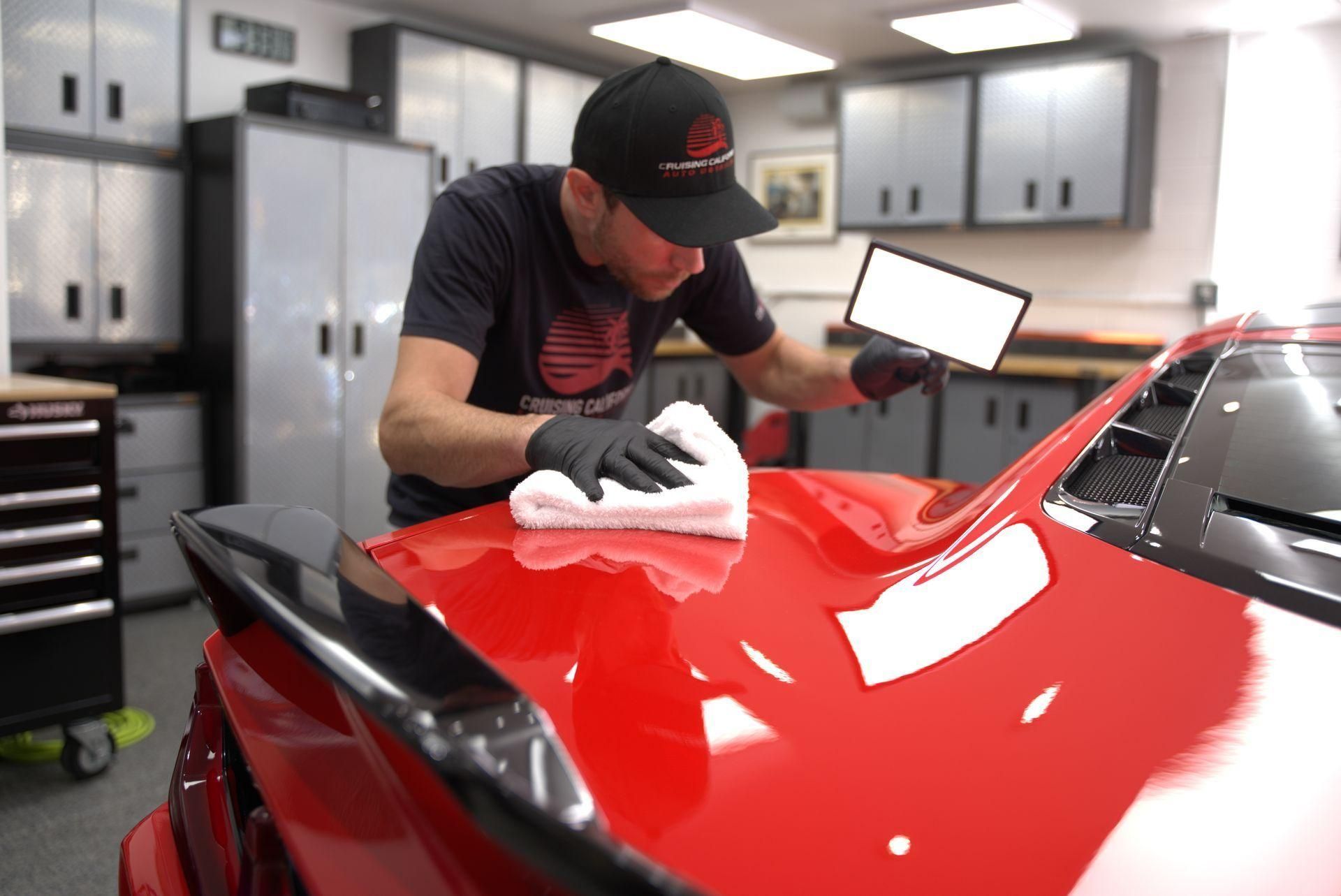
Mineral deposits are another possible reason ceramic-coated paint may feel rough despite having a protective layer. When water containing dissolved minerals dries on the vehicle, it can leave behind visible spots and residue that affect the appearance of the finish. Repeated exposure to hard water, irrigation sprinklers, and improper drying can increase mineral buildup over time. These deposits may become more noticeable on horizontal surfaces, including the bonnet, roof, and boot, where water can remain before evaporating. Ceramic coating provides water-repellent properties, but it does not eliminate the possibility of mineral residue forming on the exterior. Washing the vehicle with appropriate products and drying it properly can help reduce this problem. When water spots become stubborn, or the surface remains rough, professional assessment is advisable before attempting stronger cleaning methods that could affect the coating.
How Improper Washing Techniques Affect Ceramic-Coated Paint
Proper washing plays an important role in maintaining ceramic-coated paint and preserving its glossy appearance over time. Although the coating makes cleaning easier, incorrect washing habits can leave dirt, mineral residue, and product buildup behind. Using unsuitable cleaning chemicals, dirty washing accessories, or rough drying materials may also affect the condition of the exterior and introduce unnecessary surface imperfections. Vigorous scrubbing is particularly unnecessary because it can create swirl marks that reduce the paint's overall appearance. CCA Detailing emphasizes the maintenance benefits of professional ceramic coating, including easier cleaning and reduced dependence on aggressive washing techniques. Vehicle owners in El Cajon should follow suitable washing practices to prevent avoidable surface problems, maintain the protective layer, and keep their vehicle looking clean and glossy between professional detailing appointments.
Using Incorrect Washing Products
The cleaning products used on ceramic-coated vehicles can influence how well the surface maintains its appearance and protective performance. Harsh household detergents, unsuitable automotive chemicals, and products that leave unwanted residues may interfere with proper cleaning and make the paint appear dull or uneven. Some cleaning products can also leave a film that changes how the surface feels after washing. Ceramic-coated vehicles benefit from suitable automotive cleaning solutions and gentle washing methods rather than aggressive chemicals. It is equally important to avoid applying conventional waxes or sealants without checking their compatibility with the existing coating. We recommend using dedicated ceramic spray sealants to boost and maintain coating performance instead of relying on ordinary wax products. Choosing appropriate maintenance products helps preserve the vehicle's finish while reducing the possibility of unwanted residue and surface buildup.
Dirt and Debris Left Behind During Washing
A vehicle may still feel rough after washing if loose dirt and bonded particles have not been removed properly. When washing begins without adequately rinsing away surface debris, particles can remain between the cleaning mitt and the paint, potentially creating minor scratches during the process. Dirty microfiber towels, contaminated wash mitts, and reused cleaning accessories can also transfer unwanted material across the exterior. These practices may leave residue behind and reduce the smooth appearance of ceramic-coated paint. Although the coating helps reduce dirt adhesion, it does not eliminate the need for careful washing and clean accessories. Thorough rinsing, suitable washing materials, and gentle cleaning techniques can help maintain the protective surface. If roughness remains after proper washing, the problem may involve bonded contaminants that require professional decontamination rather than additional scrubbing.
Improper Drying and Water Residue
Drying is an important part of maintaining a ceramic-coated vehicle because water left on the surface can create mineral deposits as it evaporates. This problem can become more noticeable when vehicles are washed with mineral-rich water or left outdoors in direct sunlight before drying. Water spots may gradually affect the appearance of the paint and create residue that becomes difficult to remove through ordinary washing. Allowing water to remain on painted panels, glass, and exterior trim can also leave unwanted marks that require additional cleaning. Using clean, suitable microfiber drying towels and avoiding unnecessary pressure can help prevent these problems. Proper drying supports the coating's glossy appearance and reduces the need for aggressive cleaning later. However, when established mineral deposits continue affecting the surface, professional assessment can help determine the safest way to address them.
How to Identify the Cause of Roughness on Ceramic-Coated Paint
Identifying why ceramic-coated paint feels rough is the first step towards choosing the right maintenance approach. Start by observing whether the roughness appears across the entire vehicle or is limited to particular panels, such as the lower doors, rear bumper, bonnet, or areas around the wheels. Road grime and brake dust may collect more noticeably in certain locations, while mineral deposits may appear around areas exposed to drying water. Notice whether the surface becomes smoother after a proper wash or continues feeling gritty once loose dirt has been removed. Changes in water beading and ease of cleaning can also provide useful information about coating performance. However, reduced water beading does not always mean the coating has failed because surface contamination can interfere with its hydrophobic behaviour. Avoid aggressive rubbing, scraping, or using unsuitable chemicals to identify the problem. A professional inspection can help distinguish between bonded contaminants, mineral residue, coating deterioration, and other paint-surface concerns. We provide in-person vehicle inspections before ceramic coating installation and can help customers understand the condition of their vehicle's paint before selecting appropriate detailing services.
Why Ceramic Coating Does Not Completely Prevent Contamination Buildup
Ceramic coating is designed to provide a durable protective layer that enhances gloss, improves water repellency, and makes regular vehicle cleaning easier. Its hydrophobic properties help water bead up and move away from the painted surface, while dirt and grime generally have a harder time sticking to the exterior. However, these benefits should not be confused with complete contamination prevention. Vehicles remain exposed to airborne pollutants, industrial fallout, road particles, bird droppings, tree sap, and mineral deposits during everyday use. Some contaminants can still attach to the coating, particularly when regular maintenance is delayed or the vehicle is frequently parked outdoors. The coating acts as a protective barrier and helps reduce the likelihood of contaminants staining the underlying paint, but it cannot keep every particle away. We offer professional-grade ceramic coating packages designed to provide long-lasting protection and easier surface maintenance when supported by proper upkeep. Understanding these limitations helps vehicle owners maintain realistic expectations and recognize why periodic cleaning, inspection, and decontamination remain important after installation.
When Is Professional Decontamination Necessary?
Professional decontamination may be necessary when ceramic-coated paint continues feeling rough even after careful washing. If bonded particles, industrial fallout, or mineral deposits remain attached to the surface, ordinary cleaning products may not be sufficient to remove them safely. Continuing to scrub the paint or experimenting with strong chemicals can create additional problems and potentially affect the protective coating. A professional detailer can inspect the exterior, identify the type of contamination, and select an appropriate treatment based on the vehicle's condition. This is particularly important when the existing coating is still providing protection and the goal is to restore smoothness without unnecessarily disturbing the protective layer. CCA Detailing recommends periodic ceramic coating maintenance that includes hand washing, paint decontamination, and ceramic sealant application. These services help assess the condition of the exterior and support the coating's performance. For drivers in El Cajon, CA, professional maintenance can address stubborn contamination while helping preserve the vehicle's appearance and long-term paint protection.
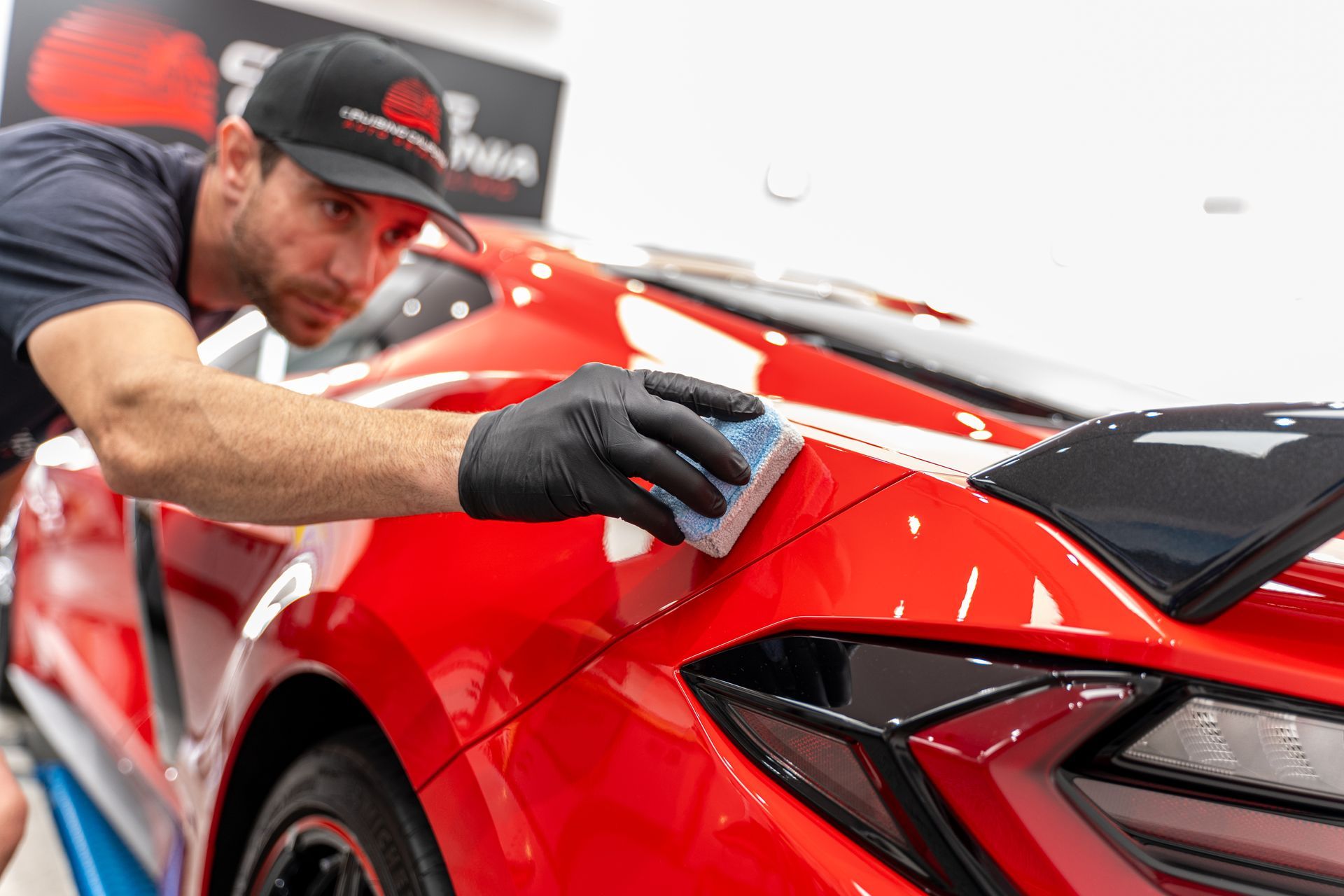
How to Maintain a Smooth Finish on Ceramic-Coated Vehicles in El Cajon, CA
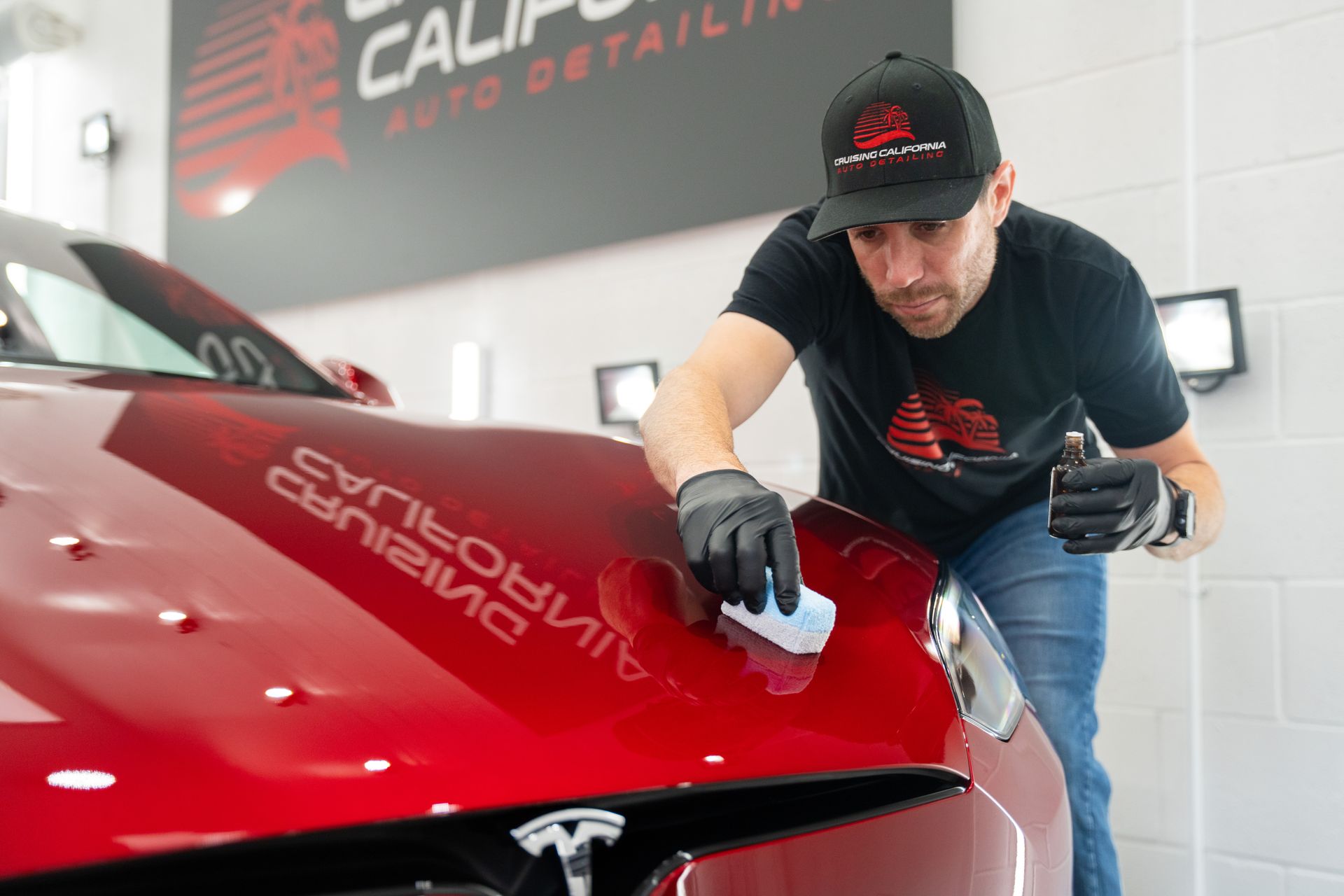
Maintaining ceramic-coated paint requires consistent care, particularly for vehicles regularly exposed to California's strong sunlight, outdoor parking, road dust, and everyday traffic. Although ceramic coating makes washing easier, delaying maintenance can allow contaminants to accumulate and affect the smoothness of the finish. Regular hand washing with suitable automotive products helps remove loose dirt before it becomes more difficult to clean, while proper rinsing and drying reduce the possibility of mineral residue. Avoid using harsh chemicals, abrasive materials, or unnecessary scrubbing when cleaning the exterior. We recommend bringing ceramic-coated vehicles in for an inspection every six months to one year, depending on their maintenance and driving conditions. This maintenance approach includes hand washing, paint decontamination, and ceramic sealant application to help maintain coating performance. The inspection also allows the team to assess how well the protective layer is holding up under actual environmental conditions. Vehicle owners in El Cajon can benefit from following a suitable maintenance schedule to preserve the glossy finish and support the long-term advantages of professional ceramic coating.
Restore the Smooth Feel of Your Ceramic-Coated Paint with Professional Care
Ceramic-coated paint can feel rough for several reasons, including bonded contaminants, road grime, industrial fallout, mineral deposits, and unsuitable washing practices. These issues do not automatically mean that the protective coating has failed or needs to be replaced. In many situations, the surface may simply require careful cleaning or professional decontamination to restore its smooth feel. Understanding the difference between contamination buildup and actual coating deterioration helps prevent unnecessary treatments and protects the vehicle's finish. Regular maintenance, appropriate washing products, and periodic inspections all contribute to keeping ceramic-coated paint looking glossy and well maintained. For vehicle owners in El Cajon, CA, CCA Detailing provides professional ceramic coating installation, paint correction, and vehicle detailing services to support exterior protection and appearance. Its team can assess your vehicle's paint condition and recommend suitable services based on its maintenance requirements. Whether your vehicle has developed surface roughness or you want to maintain an existing ceramic coating, professional attention can help protect your investment.
Contact us in El Cajon, CA, today to schedule a professional ceramic coating inspection and restore your vehicle's smooth, glossy finish.